If you’ve noticed your groceries don’t seem to stretch as far as they used to, you’re not imagining it. Many popular products have quietly gotten smaller while prices stay the same—or even go up. It’s called shrinkflation, and it’s leaving shoppers with less for their money. Here are 13 grocery items that have slimmed down in size this year.
1. Tuna Cans
Everyone’s favorite sandwich filler, canned tuna, has been a staple in American households for decades. Its popularity stems from its affordability, long shelf life, and versatility in a variety of dishes. However, consumers have been noticing a subtle decrease in the size of tuna cans, which used to standardly contain 7 ounces of tuna.
This year, it has become increasingly common to find cans that contain only 5 ounces of tuna. This size reduction, while seemingly small, can significantly impact the quantity of tuna available for your recipes. According to Consumer Reports, this change is due to rising fish prices and the need for companies to maintain profits while keeping retail prices steady.
2. Chocolate Bars
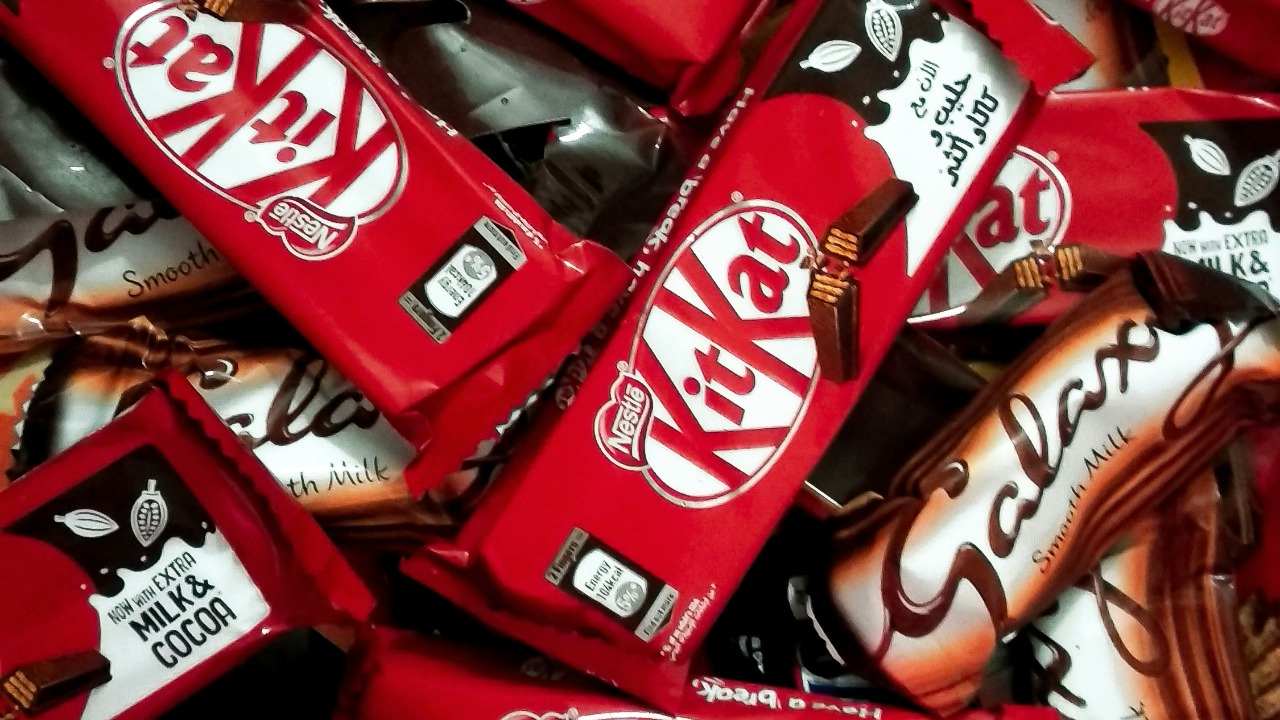
Chocolate bars, a beloved treat for many, are often bought for their sweet taste and comforting properties. However, chocoholics may have noticed that their favorite bars have been quietly shrinking in size. The standard size for many popular chocolate bars used to be around 2 ounces.
Nowadays, many chocolate bars have been reduced to a mere 1.5 ounces. This size reduction allows chocolate manufacturers to save on production costs without drastically altering the price per bar. According to BBC, this is a common practice known as ‘shrinkflation’, where the size of a product is reduced while its price remains the same.
3. Toilet Paper

Toilet paper, an essential household item often overlooked until it’s needed most, has been quietly shrinking in size. For years, the standard size for a roll of toilet paper was 4.5 inches by 4.5 inches. This size provided a perfect balance between comfort and practicality, making it a staple in every bathroom.
However, recent trends have seen the dimensions of toilet paper rolls decrease to around 4 inches by 4 inches. This size reduction might not seem significant, but it can lead to consumers needing to buy toilet paper more frequently. Consumer Reports highlights that this change is a cost-saving measure for manufacturers but can result in higher costs for consumers in the long run.
4. Boxed Cereal
Boxed cereals, the convenient and quick breakfast option for many families, have been a staple in American households for years. However, cereal lovers may have noticed that their favorite boxes feel a bit lighter than they used to. Cereal boxes used to standardly contain around 18 ounces of product.
Nowadays, it is common to find boxes that only contain 14 to 16 ounces of cereal. According to the Balance, this reduction is due to the rising costs of ingredients and the need for companies to maintain profits while keeping retail prices steady.
5. Yogurt Containers
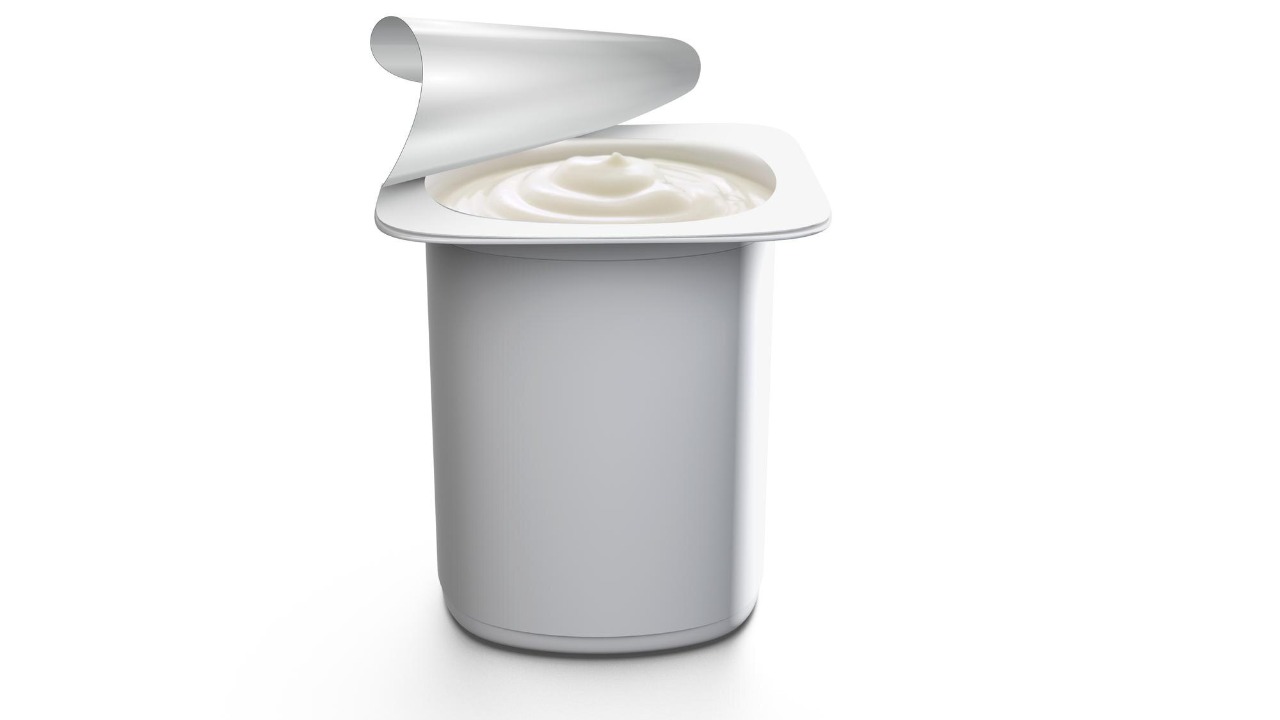
Yogurt containers, often purchased for their health benefits and convenience, have been quietly shrinking in size. For years, consumers have been accustomed to buying yogurt in 8-ounce containers, providing enough for a hearty snack or a light meal.
However, recent trends have seen the size of yogurt containers decrease to 5 to 6 ounces. This change, though seemingly small, can significantly impact the quantity of yogurt available for your consumption. NPR suggests that this shrinkage is another example of ‘shrinkflation’, where product sizes are reduced while prices remain the same.
6. Soda Bottles

Soda bottles, a popular choice for those seeking a quick and refreshing drink, have been subtly shrinking. Traditionally, a standard soda bottle contained 20 ounces of the fizzy drink, providing enough to quench your thirst on a hot day.
Recently, it is more common to find soda bottles that contain only 16.9 ounces. This reduction might not seem significant, but it can impact the value you get for your money. According to NBC News, this size reduction is a tactic used by manufacturers to save on production costs while keeping retail prices steady.
7. Peanut Butter Jars

Peanut butter, a staple in many pantries, has been quietly shrinking in size. For years, consumers have been accustomed to buying peanut butter in 18-ounce jars, providing ample spread for several sandwiches.
However, recent trends have seen the size of peanut butter jars decrease to 16 ounces. This change, though seemingly small, can significantly impact the quantity of peanut butter available for your sandwiches. According to Today, this reduction is due to the rising costs of peanuts and the need for companies to maintain profits while keeping retail prices steady.
8. Ice Cream Containers
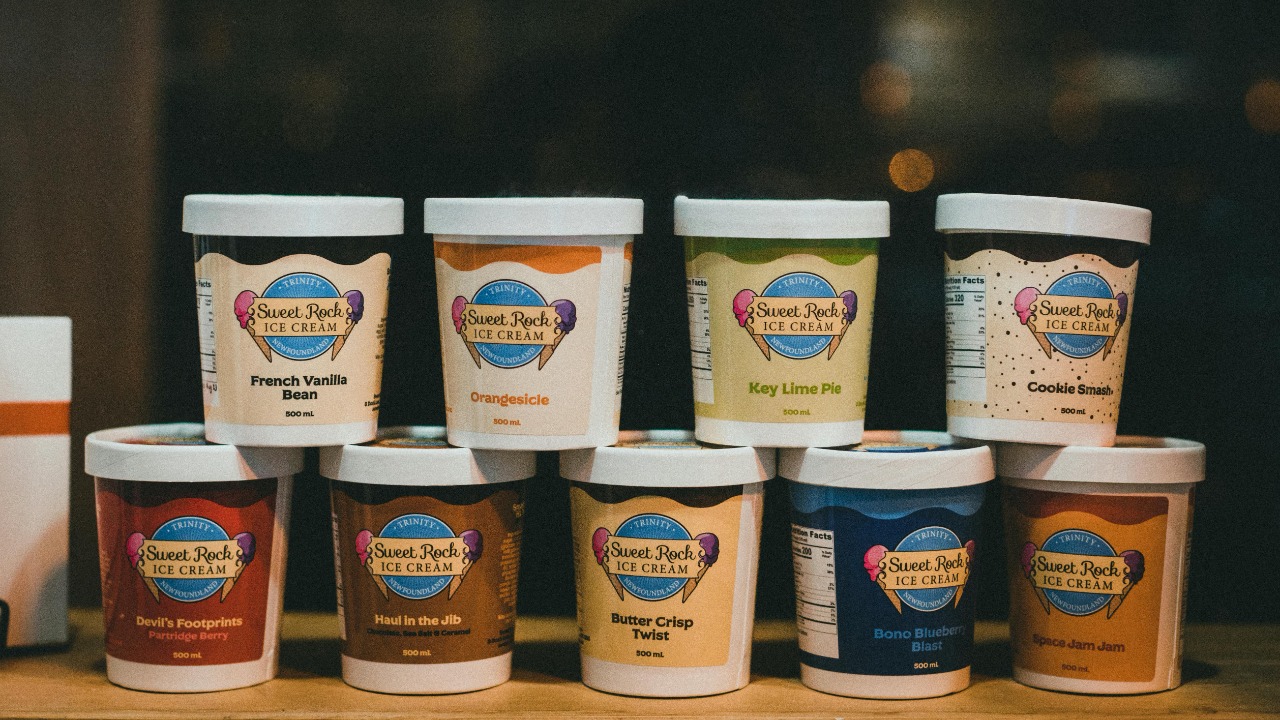
Ice cream containers, often bought for their sweet, creamy goodness, have been quietly shrinking in size. For years, the standard ice cream container size was a full half-gallon, providing enough for several servings.
However, recent trends have seen ice cream containers shrink to 1.5 quarts or less. This change can significantly impact the quantity of ice cream available for your indulgence. According to NPR, this shrinkage is another example of ‘shrinkflation’, where product sizes are reduced while prices remain the same.
9. Bagged Chips
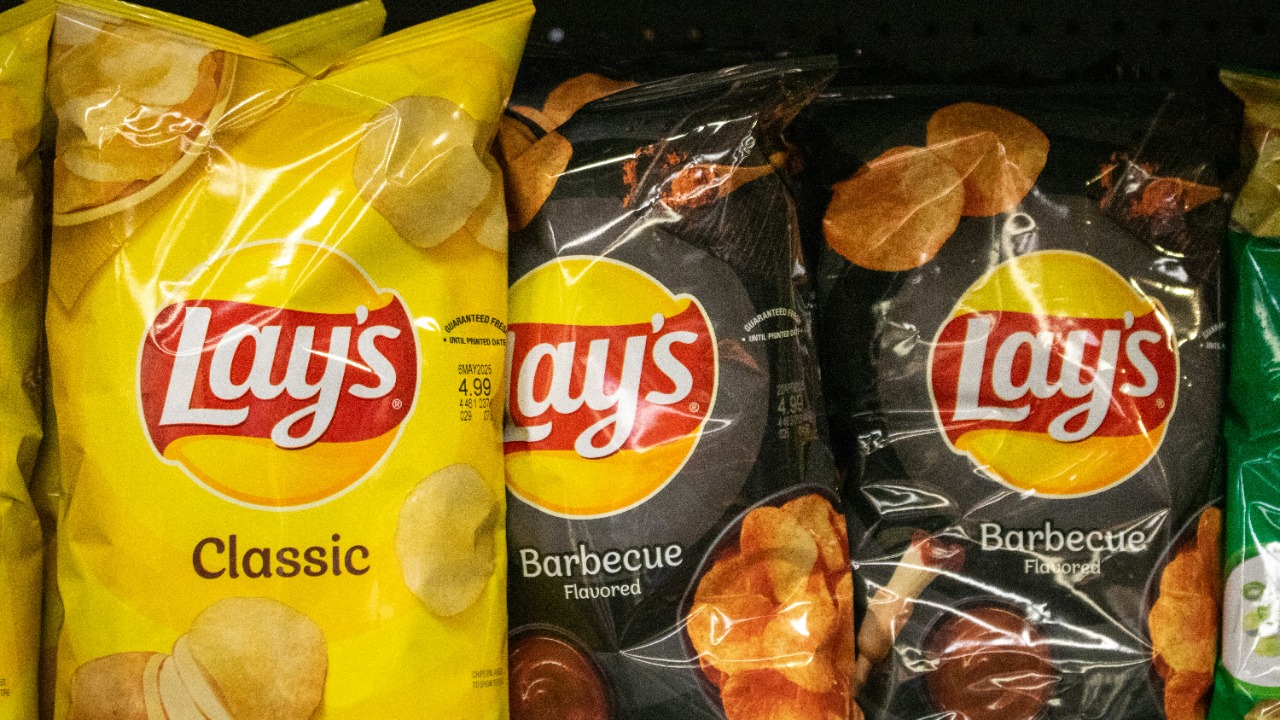
Bagged chips, a favorite snack for many, have been subtly shrinking in size. Traditionally, a standard chip bag contained 11 ounces of the crunchy snack, providing enough for a party or several snack breaks.
Recently, it is more common to find chip bags that contain only 9.5 ounces. This reduction might not seem significant, but it can impact the amount of chips you get for your money. According to CNBC, this size reduction is a tactic used by manufacturers to save on production costs while keeping retail prices steady.
10. Canned Soup
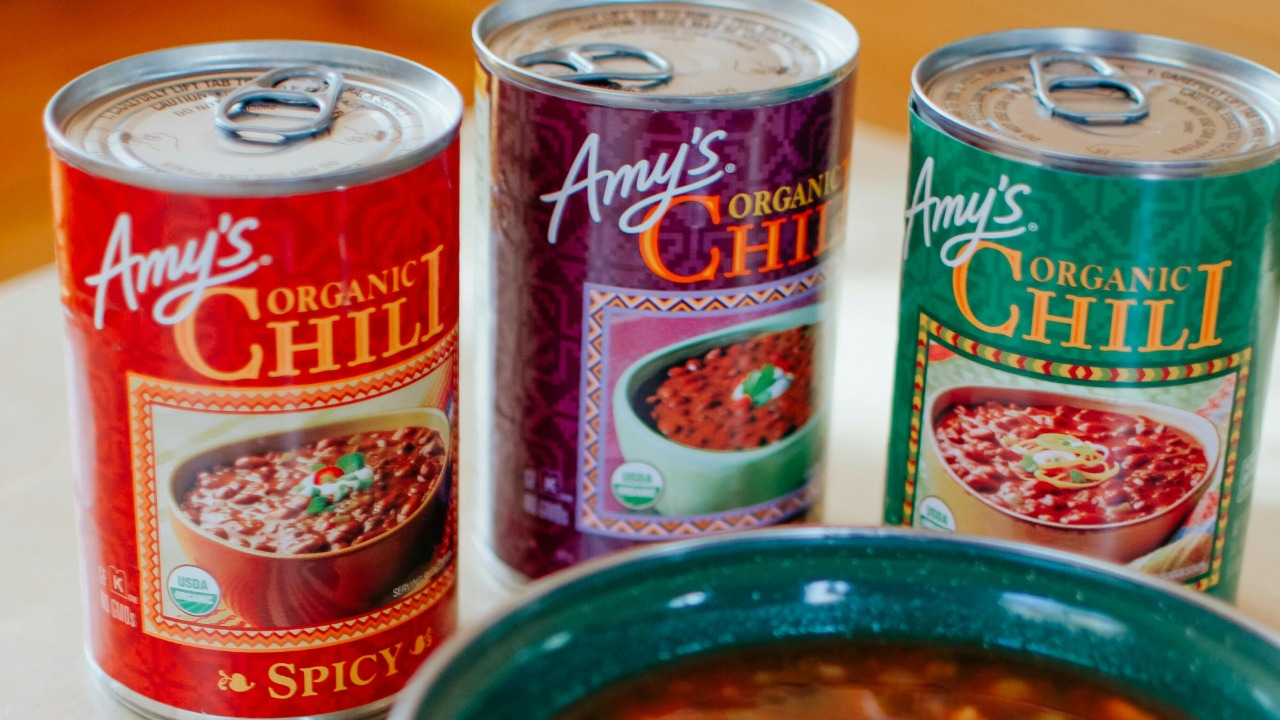
Canned soup, a convenient and comforting meal option, has been quietly shrinking in size. For years, consumers have been accustomed to buying canned soup in 19-ounce cans, providing enough for a hearty meal.
However, recent trends have seen the size of canned soup decrease to 18.6 ounces. This change, though seemingly small, can significantly impact the quantity of soup available for your meals. According to Chicago Tribune, this reduction is due to the rising costs of ingredients and the need for companies to maintain profits while keeping retail prices steady.

As a mom of three busy boys, I know how chaotic life can get — but I’ve learned that it’s possible to create a beautiful, cozy home even with kids running around. That’s why I started Cultivated Comfort — to share practical tips, simple systems, and a little encouragement for parents like me who want to make their home feel warm, inviting, and effortlessly stylish. Whether it’s managing toy chaos, streamlining everyday routines, or finding little moments of calm, I’m here to help you simplify your space and create a sense of comfort.
But home is just part of the story. I’m also passionate about seeing the world and creating beautiful meals to share with the people I love. Through Cultivated Comfort, I share my journey of balancing motherhood with building a home that feels rich and peaceful — and finding joy in exploring new places and flavors along the way.