Introduction
Ever wondered why the veggies you cook don’t taste as delicious as the ones in professional recipes or restaurants? The issue might not be with your cooking skills but rather how you handle these vegetables. In today’s world, getting the most from your food is more essential than ever, not only for taste but also for nutritional value and safety.
This list is based on real-world trends, data, and expert interviews from renowned chefs and nutritionists. It aims to shed light on the common mistakes people make when cooking vegetables and how to fix them. Expect to gain valuable cooking insights, enhance your meals’ flavor, and get the most nutritional value from your veggies.
Broccoli
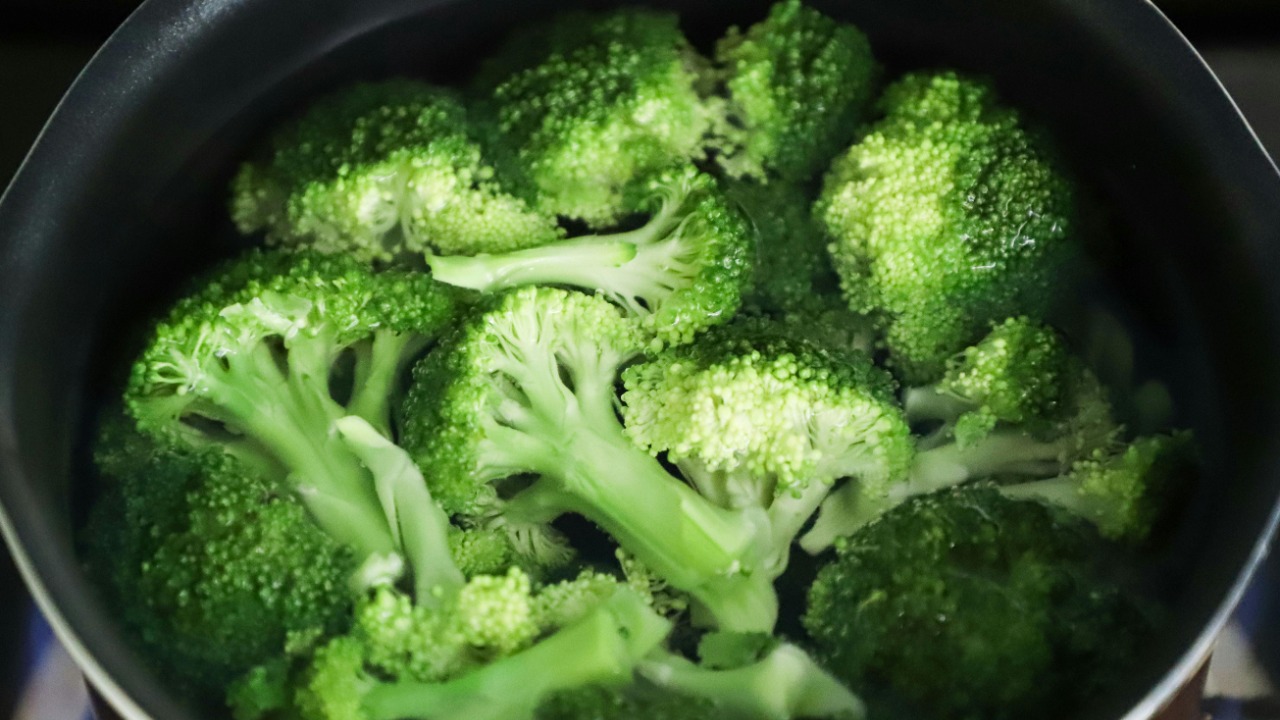
Broccoli, heralded for its high nutrient content, is a common feature in many kitchens. However, most people boil or overcook it, stripping away its essential nutrients and leaving it mushy and unappetizing.
With the increasing trend of healthy eating, how you cook your broccoli matters now more than ever. Steaming or microwaving broccoli ensures that it retains most of its nutrients. Take a look at this Healthline article for more tips on cooking broccoli.
Spinach
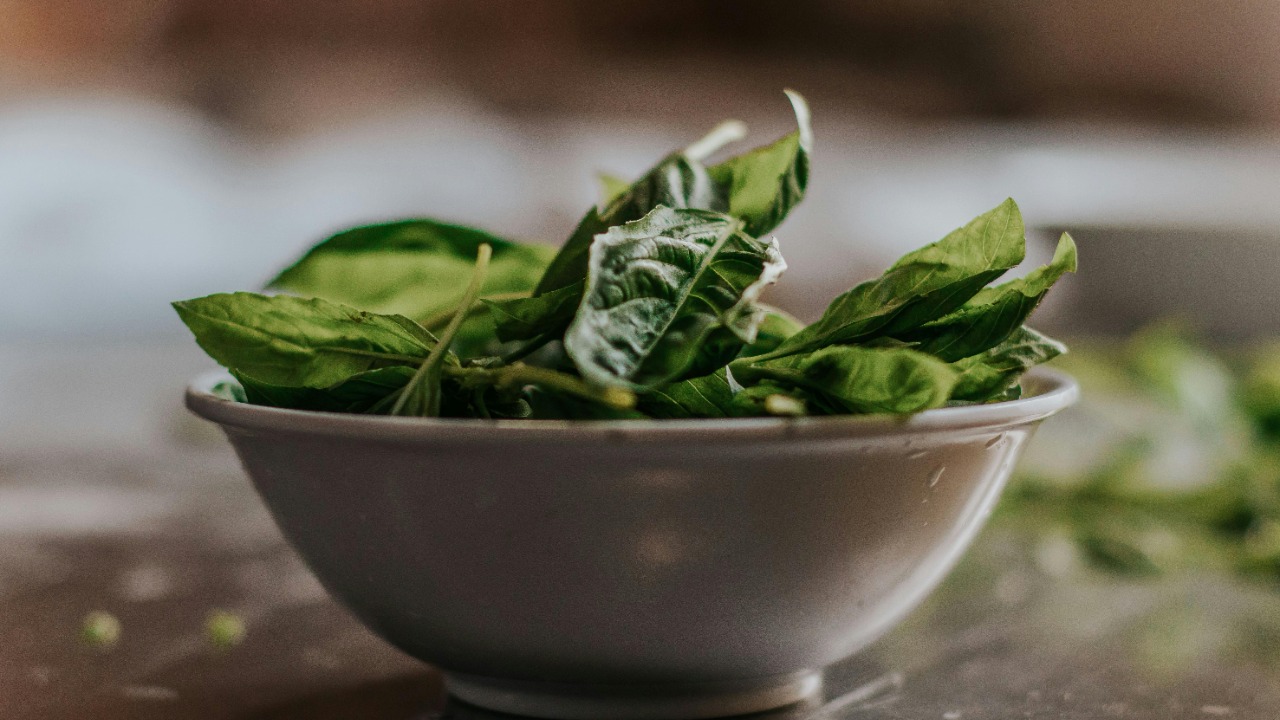
Spinach is a versatile leafy green that many people purchase for its health benefits. However, it’s often cooked for too long or at too high a temperature, which can degrade its nutrients and taste.
With the rising popularity of plant-based diets, getting the most out of your spinach is crucial. Lightly sautéing spinach or eating it raw in salads will provide the most nutritional value. Check out this WebMD guide on the best ways to cook spinach.
Carrots

Carrots are a staple in many households due to their versatility and health benefits. Yet, most people peel their carrots before cooking, removing the nutrient-rich skin.
Recent studies have shown that a carrot’s skin contains a significant amount of nutrients. Cooking carrots with their skin on, or even eating them raw, can maximize their health benefits. See this HuffPost article for more information.
Asparagus
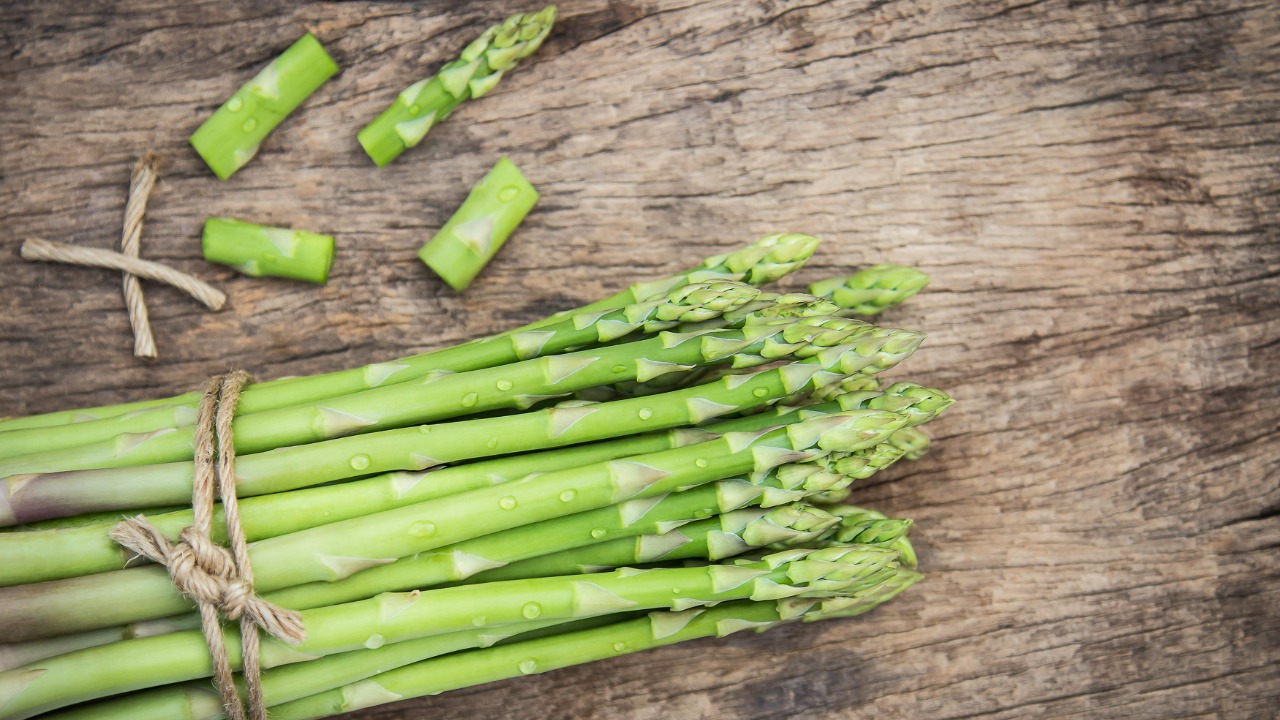
Asparagus, despite its distinct flavor and texture, is often overcooked or boiled, resulting in a limp, flavorless side dish. Many people overlook its high nutritional value and unique taste when cooked correctly.
As the trend towards healthier eating continues, knowing how to properly cook asparagus is becoming more vital. Grilling or roasting asparagus can enhance its flavor and texture. This Bon Appétit guide offers great tips on cooking asparagus.
Garlic

Garlic is a favorite for adding flavor to dishes, but many people either burn it or add it too early in the cooking process, leading to a bitter taste.
With the increased focus on flavor in today’s culinary world, understanding when and how to add garlic can significantly enhance your dishes’ taste. This MasterClass article provides expert guidance on cooking with garlic.
Brussels Sprouts

Brussels sprouts have a bad reputation due to their bitter taste when overcooked, causing many people to overlook their nutritional benefits and potential rich flavor.
With the rise in popularity of hearty greens, knowing how to cook Brussels sprouts properly can change your perspective on this vegetable. Roasting Brussels sprouts brings out their natural sweetness and reduces bitterness. Check out this Food Network guide for ideas on how to cook Brussels sprouts.
Beets
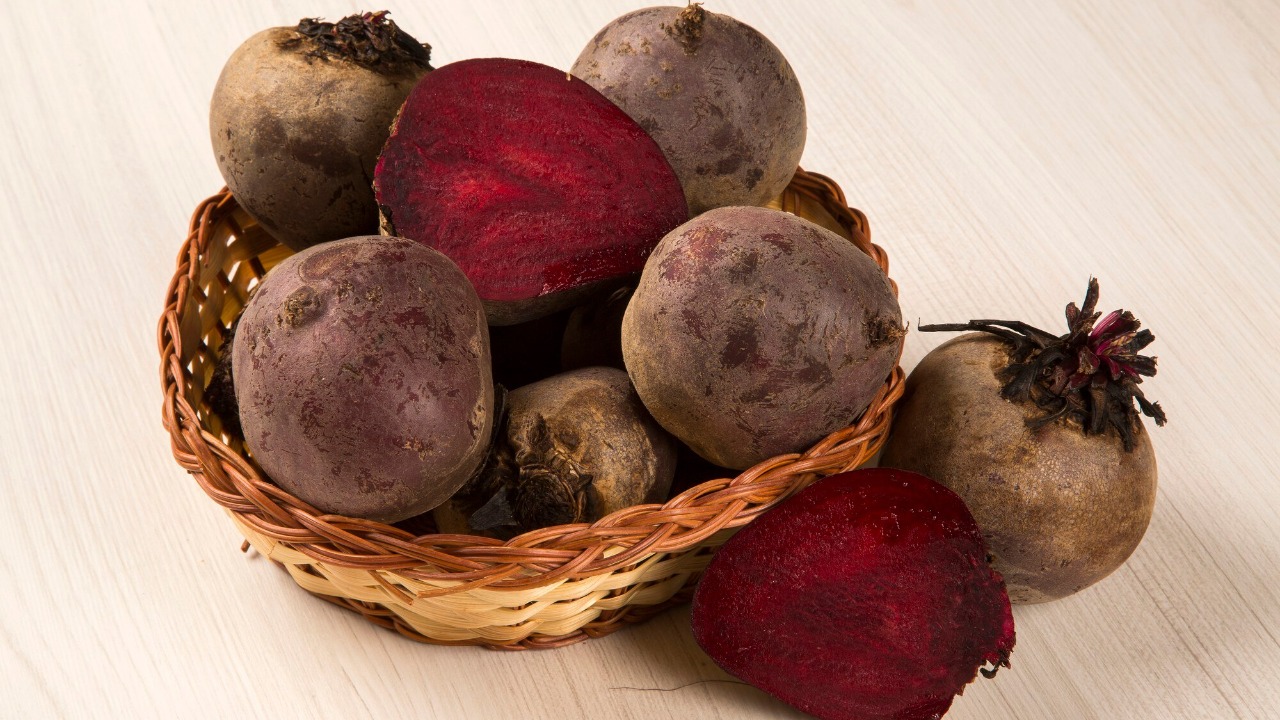
Beets, known for their earthy flavor and vibrant color, are often boiled or overcooked, which can result in a loss of nutrients and dull flavor. Many people neglect to buy beets due to their lengthy cooking time and the potential for staining.
However, with their increasing popularity in health circles, learning how to cook beets correctly can maximize their nutritional value and taste. Roasting beets can intensify their flavor and retain nutrients. Read this Bon Appétit article to learn more about cooking beets.
Peppers
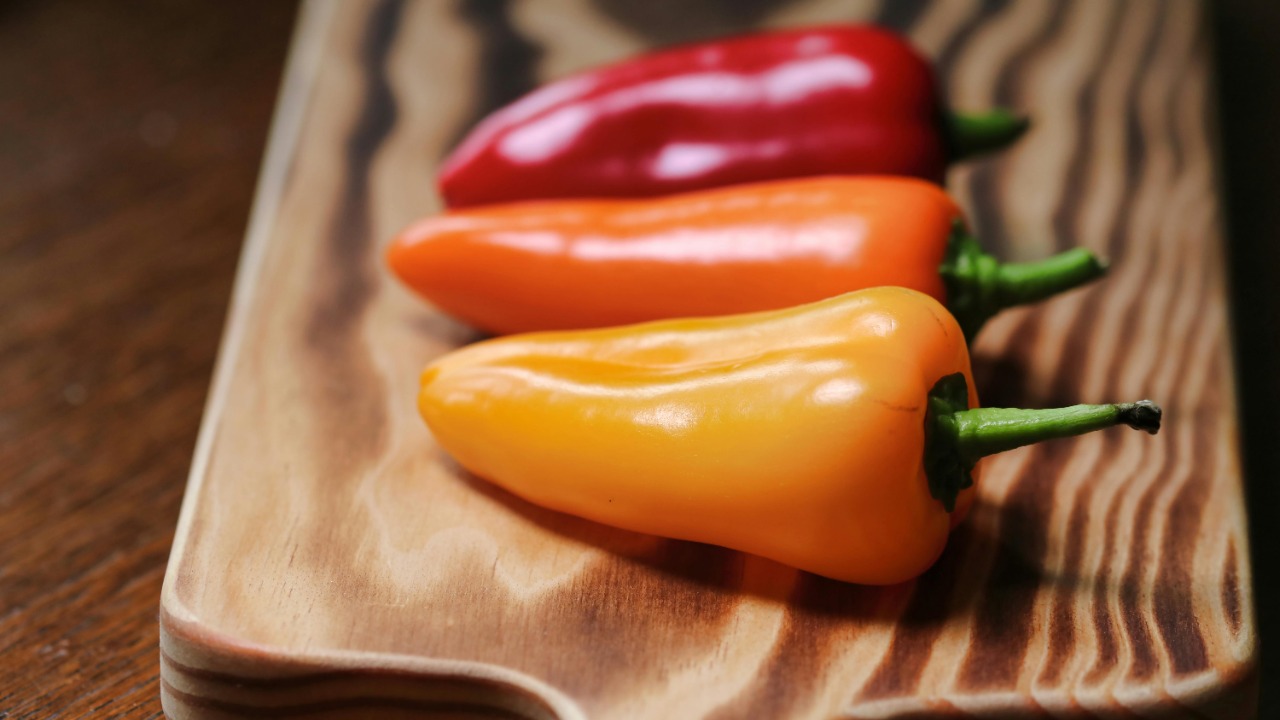
Peppers, whether bell or chili, are often overcooked, resulting in a mushy texture and loss of their vibrant colors. Many people buy peppers for their ability to add flavor and color to a variety of dishes.
In today’s culinary world, where presentation is as important as taste, knowing how to cook peppers to retain their color and crunch is crucial. This Kitchn guide offers great tips on cooking peppers.
Green Beans
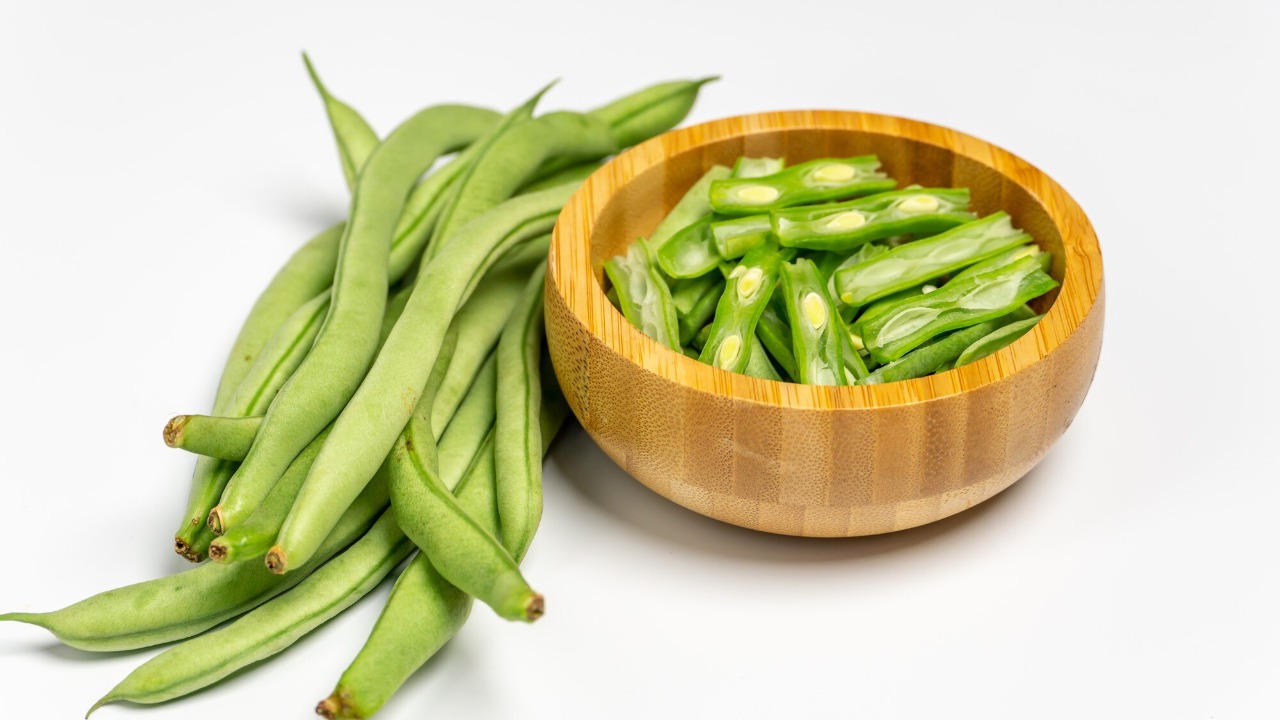
Green beans are a common side dish, but they are often overcooked until they lose their vibrant color and crunchy texture. Many people buy them for their health benefits and versatility.
With the current trend of eating fresh and crunchy vegetables, knowing how to cook green beans properly is essential. Steaming or blanching green beans can retain their color and texture. Check out this Cooking Light guide on how to cook green beans.
Onions
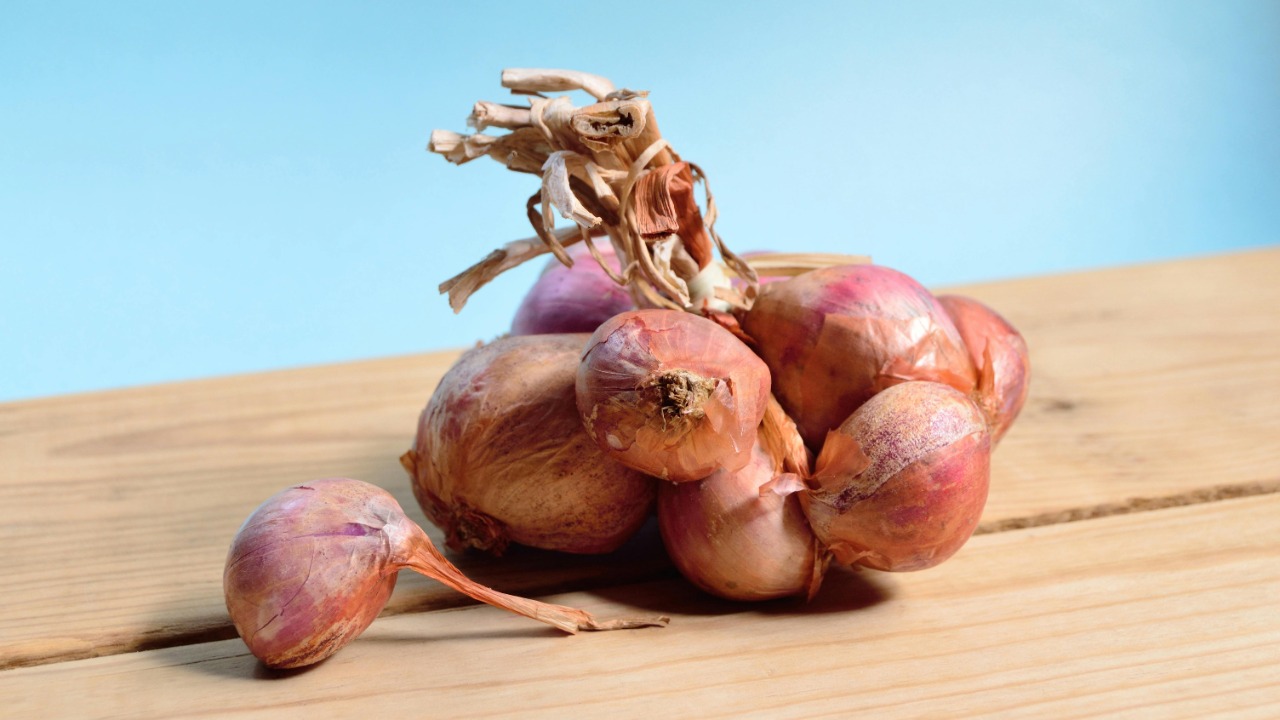
Onions are a staple in most kitchens, used to add flavor to almost every dish. However, they’re often rushed through the cooking process, leading to undercooked or burnt onions.
Since onions are foundational to many recipes, knowing how to properly caramelize them can greatly enhance your dishes’ overall flavor. This Bon Appétit guide provides step-by-step instructions on caramelizing onions.
Mushrooms
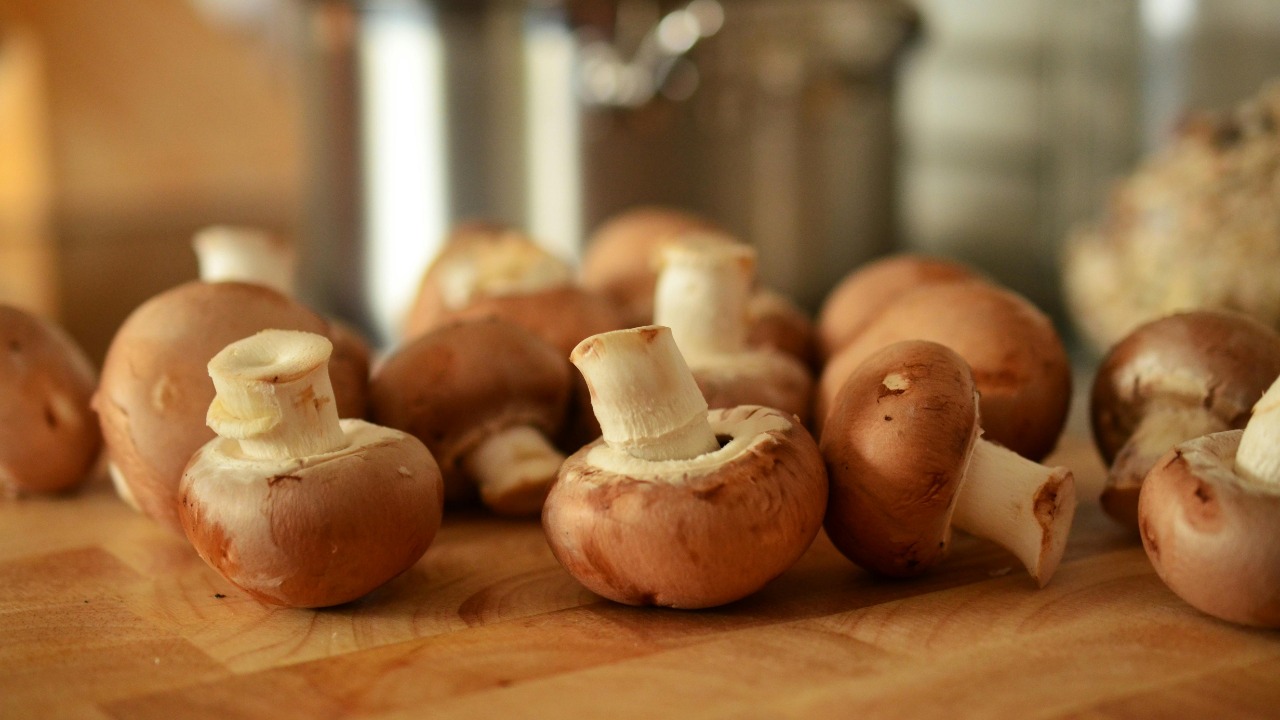
Mushrooms are purchased for their unique flavor and texture, but they’re often overcooked or improperly cleaned, leading to a slimy texture and loss of flavor.
With gourmet mushrooms becoming more mainstream, understanding how to properly prepare and cook mushrooms is increasingly important. Check out this Fifteen Spatulas guide on cooking mushrooms.
Zucchini

Zucchini is often bought for its versatility in cooking, but it’s frequently overcooked, resulting in a mushy and bland dish. Many people also overlook its high nutritional value.
With the growing popularity of zucchini noodles or “zoodles” in low-carb diets, knowing how to cook zucchini correctly is crucial. This Inspired Taste guide provides helpful tips on cooking zucchini.

As a mom of three busy boys, I know how chaotic life can get — but I’ve learned that it’s possible to create a beautiful, cozy home even with kids running around. That’s why I started Cultivated Comfort — to share practical tips, simple systems, and a little encouragement for parents like me who want to make their home feel warm, inviting, and effortlessly stylish. Whether it’s managing toy chaos, streamlining everyday routines, or finding little moments of calm, I’m here to help you simplify your space and create a sense of comfort.
But home is just part of the story. I’m also passionate about seeing the world and creating beautiful meals to share with the people I love. Through Cultivated Comfort, I share my journey of balancing motherhood with building a home that feels rich and peaceful — and finding joy in exploring new places and flavors along the way.