

With food delivery apps becoming increasingly popular, it’s essential to be aware of the hidden costs that can come with utilizing these convenient services. From surge pricing to small cart fees, these unexpected charges can quickly add up, turning your affordable meal into a budget-buster.
This list is based on real-world trends, data from various food delivery apps, and expert analyses. We aim to disclose the hidden fees you might not be aware of when using these services. Expect a comprehensive rundown of these hidden charges, why they exist, and how they affect your total bill.
1. Delivery Fees

The most common hidden charge in food delivery apps is the delivery fee. This cost is what you pay for the convenience of having your food delivered to your doorstep. Many users overlook this fee, assuming it’s a small price to pay for the convenience provided by the service.
However, these delivery fees can vary significantly depending on the restaurant and the distance from your location. According to The Verge, some delivery apps also have a variable delivery fee policy, where the fee increases during peak hours or bad weather. Being aware of this can help you plan your orders and save money.
2. Service Fees

Service fees are another common charge in food delivery apps. These are essentially charges for using the platform and are usually calculated as a percentage of your order total. While these fees are often disclosed in the app, many users tend to overlook them, focusing on the food prices instead.
The service fee is crucial as it directly impacts the final total of your bill. Business Insider reports that service fees can range from 15% to 20% of your order total, making it a significant addition to your food cost. Understanding this fee can help you make more informed decisions when using these services.
3. Small Cart Fees
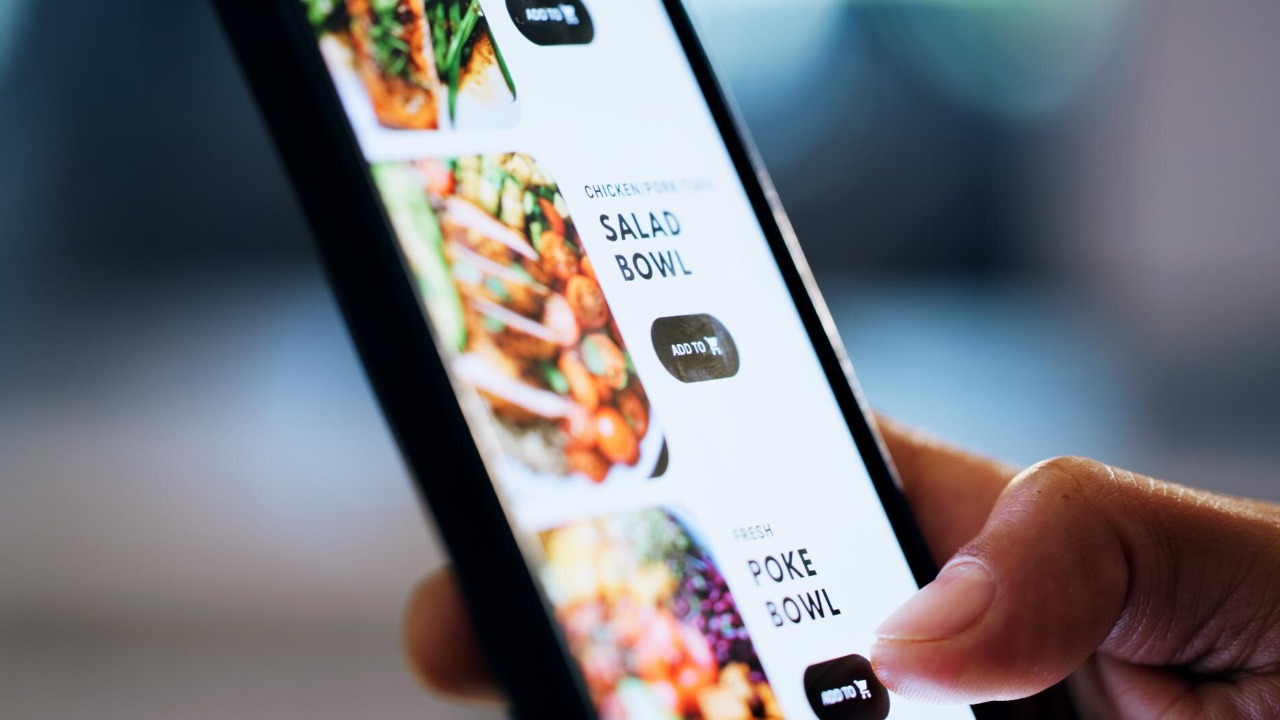
Some food delivery apps charge a small cart fee if your order total doesn’t meet a certain minimum amount. This fee encourages users to order more items to reach the minimum order value. Many people end up paying this fee without realizing they could avoid it by adding more items to their cart.
As reported by Eater, these fees can add up over time, especially for users who frequently order small meals. Being aware of the minimum order value and planning your meals accordingly can help you avoid this fee.
4. Tipping

While tipping is not a hidden fee per se, it’s often overlooked when calculating the total cost of an order. Most food delivery apps include a default tip amount that can be adjusted, but many users leave it as it is without considering how it impacts their total bill.
According to CNET, while tipping is discretionary, it forms a significant part of the delivery person’s income. However, users should be aware that it can make a considerable difference to the final bill.
5. Dynamic Pricing
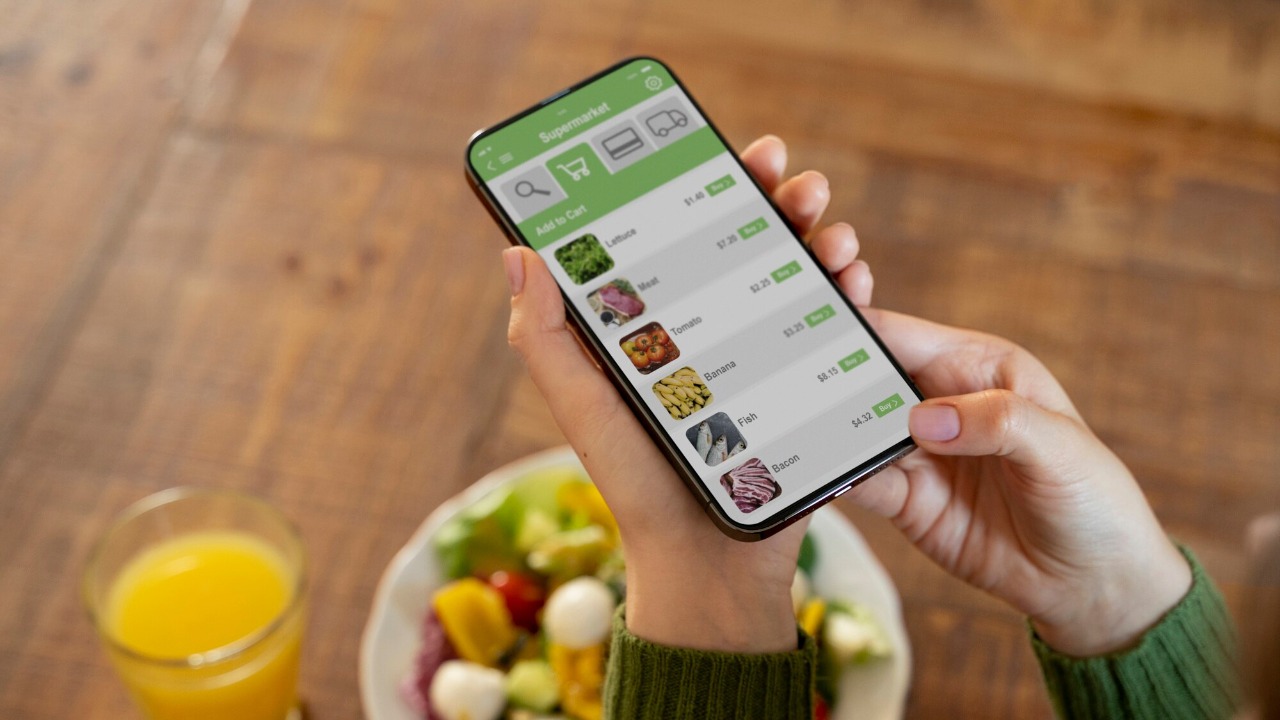
Dynamic pricing, also known as surge pricing, is a fee that can be applied during high-demand periods. Users are often caught off guard by this fee as it can significantly increase the cost of their food order.
Dynamic pricing can cause your food bill to surge during peak hours, as reported by NPR. It’s essential to be aware of this pricing model to avoid unexpected charges and to plan your orders outside of peak times when possible.
6. Subscription Fees

Some food delivery apps offer premium subscription services that promise perks such as free delivery or exclusive deals. While these subscriptions can provide value for regular users, they come with a monthly or yearly fee that can add up if not utilized effectively.
The Balance suggests that these subscription fees can be worth the cost for frequent users, but occasional users might end up paying more. It’s crucial to evaluate your usage before opting for these subscription services.
7. Cancellation Fees

Cancellation fees are charged when you cancel your order after a certain period. These fees are meant to compensate the restaurant and the delivery person for their time and effort. However, many users are not aware of these fees until they need to cancel an order.
Consumer Reports highlights that these cancellation fees can be quite steep, especially if the restaurant has already started preparing your food. Being aware of the cancellation policy on your food delivery app can save you from unexpected charges.
8. Packaging and Handling Fees
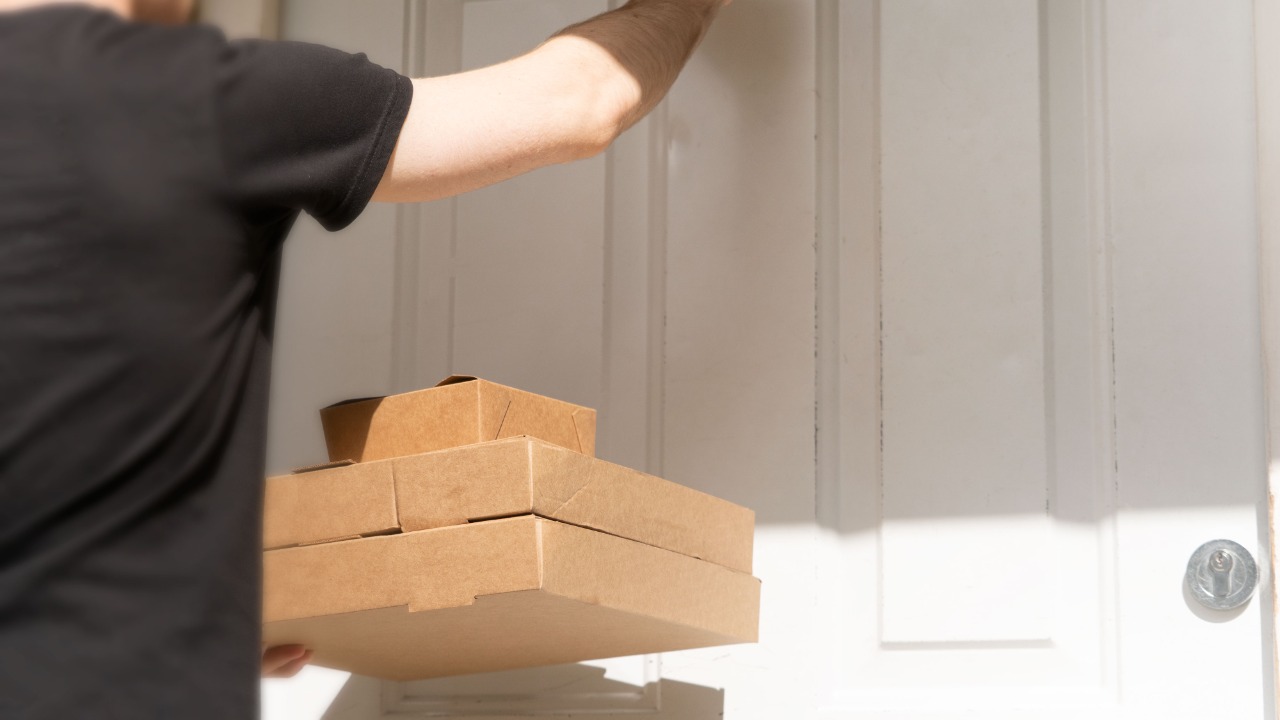
Some restaurants charge additional fees for packaging and handling. While this fee is not directly charged by the delivery app, it’s added to your bill when you order from these restaurants. Users often overlook this fee as it’s usually bundled with the food prices.
Food Dive reports that these fees contribute to the rising cost of food delivery. By choosing restaurants that don’t charge these fees, you can save on your total bill.
9. Additional Taxes
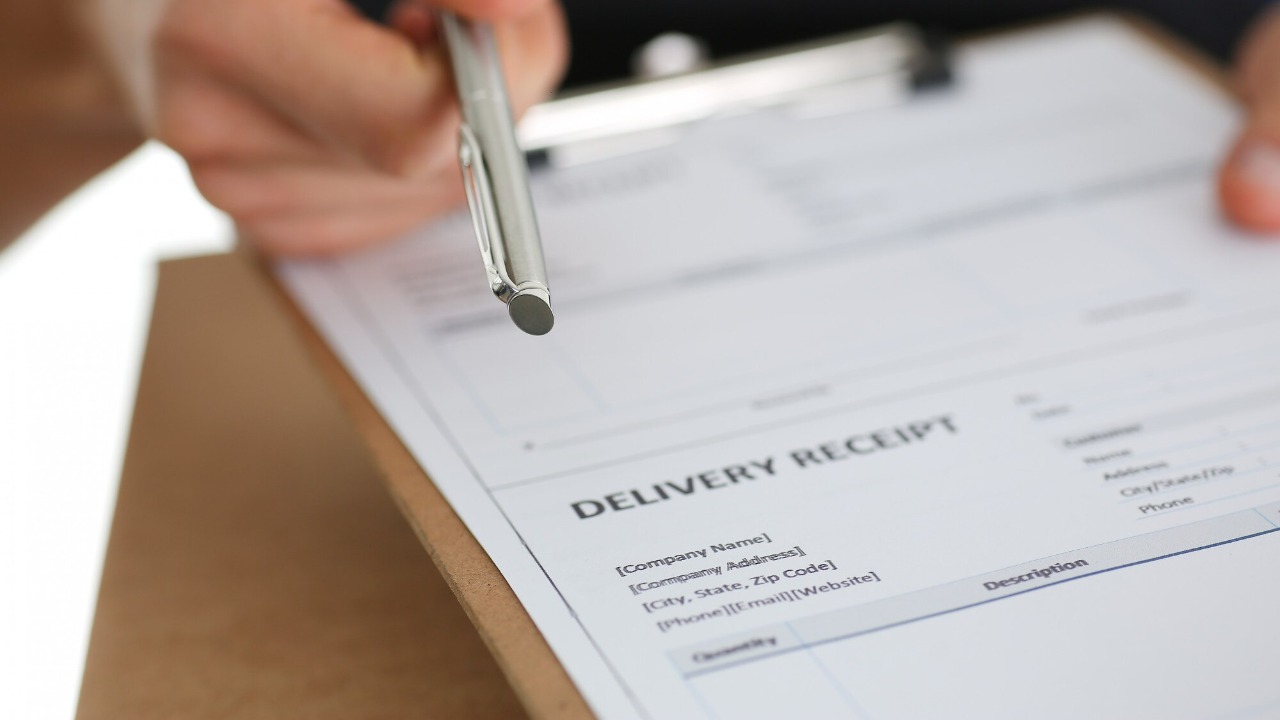
While taxes are a standard part of any purchase, they can sometimes be higher on food delivery apps due to additional city or county food delivery taxes. These extra taxes can add a significant amount to your total bill, especially for larger orders.
The Tax Policy Center suggests that these additional taxes are a growing trend, especially in larger cities. It’s crucial to consider these taxes when calculating your total order cost.
10. Rush Order Fees

Rush order fees are charged when you want your order delivered faster than the standard delivery time. While this service can be handy when you’re in a hurry, this convenience comes at a cost that many users overlook when placing their order.
According to Eater, these rush order fees can significantly increase the cost of your order. It’s essential to weigh the cost of faster delivery against the urgency of your need before opting for this service.

As a mom of three busy boys, I know how chaotic life can get — but I’ve learned that it’s possible to create a beautiful, cozy home even with kids running around. That’s why I started Cultivated Comfort — to share practical tips, simple systems, and a little encouragement for parents like me who want to make their home feel warm, inviting, and effortlessly stylish. Whether it’s managing toy chaos, streamlining everyday routines, or finding little moments of calm, I’m here to help you simplify your space and create a sense of comfort.
But home is just part of the story. I’m also passionate about seeing the world and creating beautiful meals to share with the people I love. Through Cultivated Comfort, I share my journey of balancing motherhood with building a home that feels rich and peaceful — and finding joy in exploring new places and flavors along the way.