Living on a $50 weekly grocery budget might seem challenging, but with strategic planning, it’s quite achievable. By being mindful of your spending habits and making smart choices, you can enjoy nutritious meals without breaking the bank. Here are 20 practical tips to help you stretch your dollars and make the most of your weekly shopping trips.
Meal Planning

Meal planning is a crucial first step in managing a tight budget. By planning meals for the week, you can avoid impulse purchases and reduce food waste. I recommend dedicating a day to outline your meals, focusing on recipes that share common ingredients. This approach not only saves money but also time spent in the kitchen.
To get started, try browsing meal plan guides like this one from The Kitchn, which offers creative ideas tailored to affordable shopping. Incorporating seasonal vegetables or proteins on sale can significantly cut costs while keeping meals varied and nutritious.
Shopping List Creation
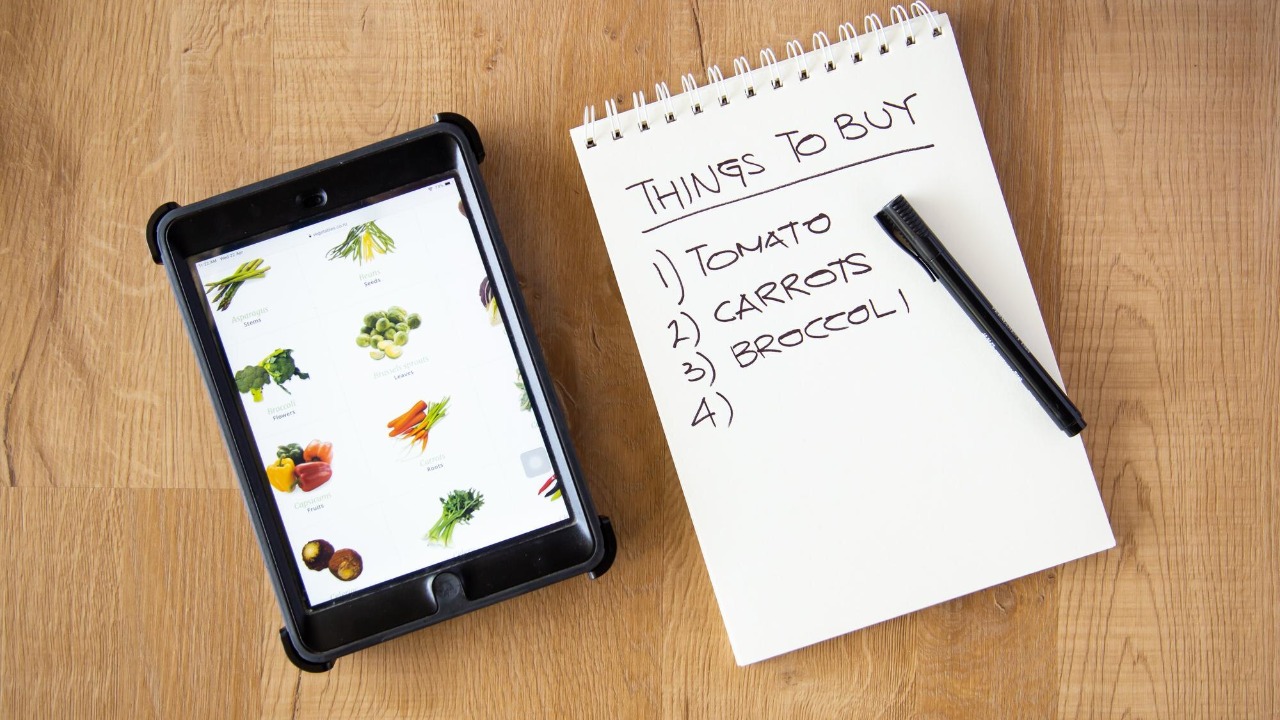
Once you have a meal plan, the next step is crafting a precise shopping list. A well-structured list helps you stay focused at the store and prevents unnecessary purchases. I find it helpful to categorize items by section, such as produce, dairy, and pantry staples, which streamlines the shopping process.
Consider using apps designed to help create efficient shopping lists. These digital tools often offer features like price comparison and coupon integration, further aiding in cost reduction. A detailed list is your roadmap to maintaining a $50 budget without sacrificing quality or variety.
Store Brand Products
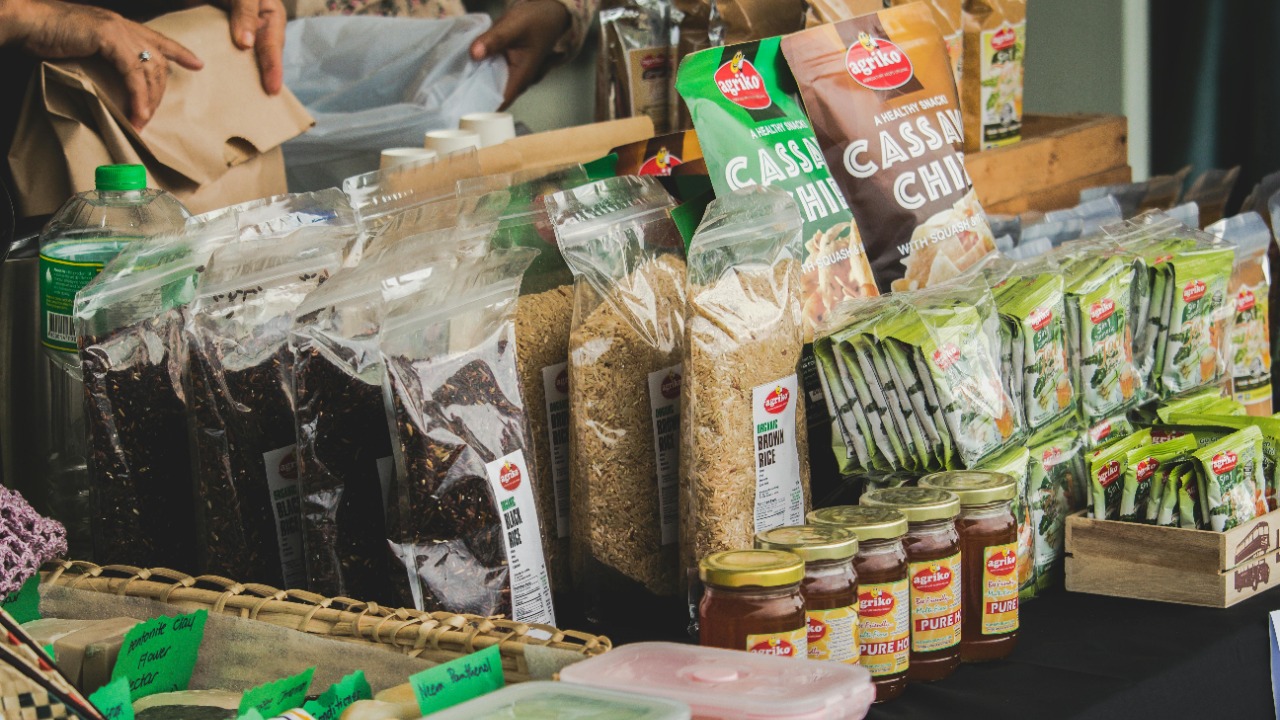
Opting for store brand products over name brands can lead to significant savings. Store brands often offer the same quality at a fraction of the price. Many supermarkets have expanded their private label offerings in recent years, providing a wide range of options.
It’s worth trying different store brands to find ones that meet your taste and quality expectations. You might be surprised at how many items you can switch without noticing a difference, allowing you to allocate those savings elsewhere in your budget.
Coupons and Discounts

Taking advantage of coupons and discounts is a tried-and-true method for reducing grocery bills. Whether clipping from a newspaper or using digital coupons, these savings add up over time. Many stores offer loyalty cards that provide access to exclusive discounts and promotions.
To maximize savings, I recommend visiting websites like NerdWallet, where you can find tips on leveraging coupons effectively. With a little effort, you can shave off a considerable amount from your weekly grocery spend.
Bulk Buying

Purchasing items in bulk is another effective strategy for stretching your grocery budget. Non-perishable goods like rice, pasta, and canned goods are perfect candidates for bulk buying. Not only do you save per unit, but it also reduces the frequency of shopping trips.
Consider joining a wholesale club or using bulk sections in grocery stores to purchase only what you need. This approach ensures that you’re not overspending on items that may spoil before use, allowing for smarter allocation of your resources.
Seasonal Produce
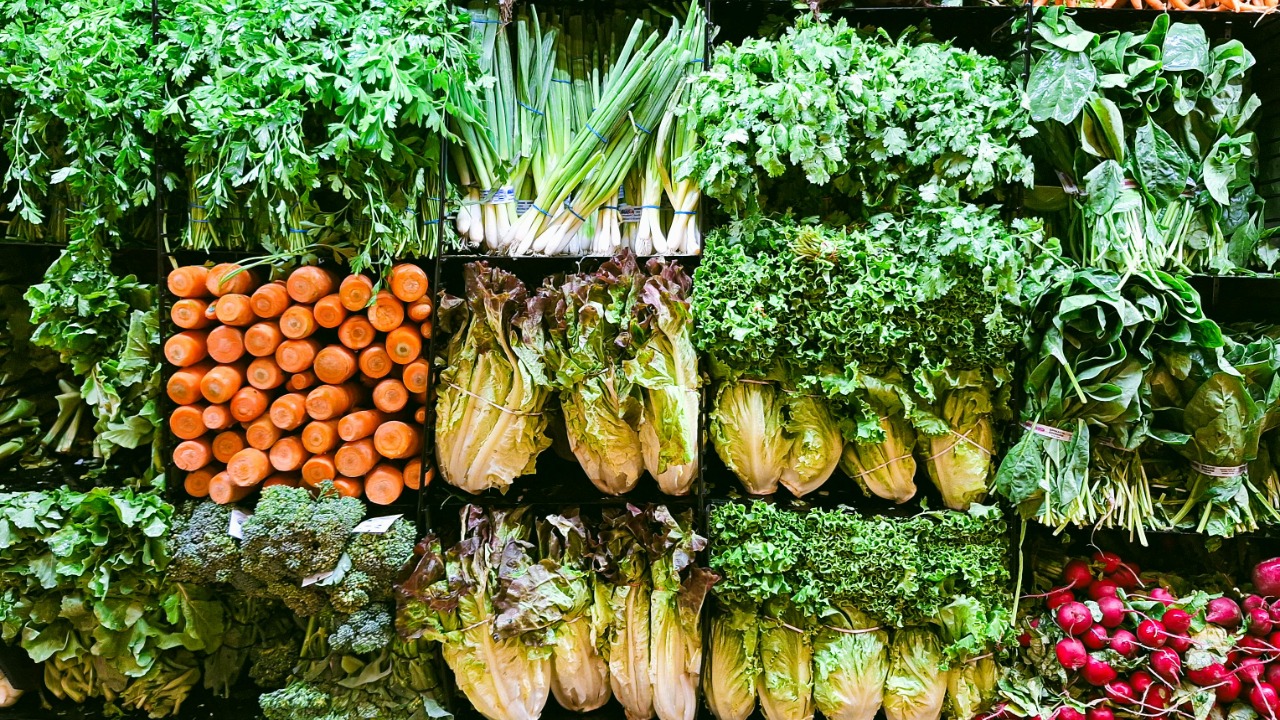
Buying seasonal produce is an excellent way to enjoy fresh and flavorful fruits and vegetables without overspending. Produce in season is often cheaper and at its peak quality, providing better taste and nutritional value.
Stay informed about which fruits and vegetables are in season in your area. This knowledge helps you make informed choices at the store, ultimately contributing to a healthier diet and a more manageable grocery bill.
Price Comparison

Regularly comparing prices across different stores is another method to ensure you’re getting the best deals. Prices can vary significantly, even within the same neighborhood, so it pays to stay vigilant and informed.
Apps and websites dedicated to price comparison are invaluable tools in this process. They allow you to quickly identify where your preferred items are sold at the lowest price, saving both time and money during your shopping trips.
Loyalty Programs

Many grocery stores offer loyalty programs that reward frequent shoppers with discounts, exclusive offers, and even cashback. Signing up for these programs is often free and can lead to substantial savings over time.
Take advantage of these programs by regularly checking for promotions and offers. Accumulating points or rewards can lead to future discounts, making it easier to stick to a $50 budget without compromising on the quality of your groceries.
Digital Coupon Apps

In the digital age, coupon apps have become indispensable tools for budget-conscious shoppers. Apps like Ibotta and Honey offer a seamless way to access various discounts and cashback offers directly from your smartphone.
These apps often feature deals on a wide range of products, from groceries to household items. By integrating them into your shopping routine, you can take advantage of exclusive offers that might not be available in-store, maximizing your savings potential.
Limit Convenience Foods
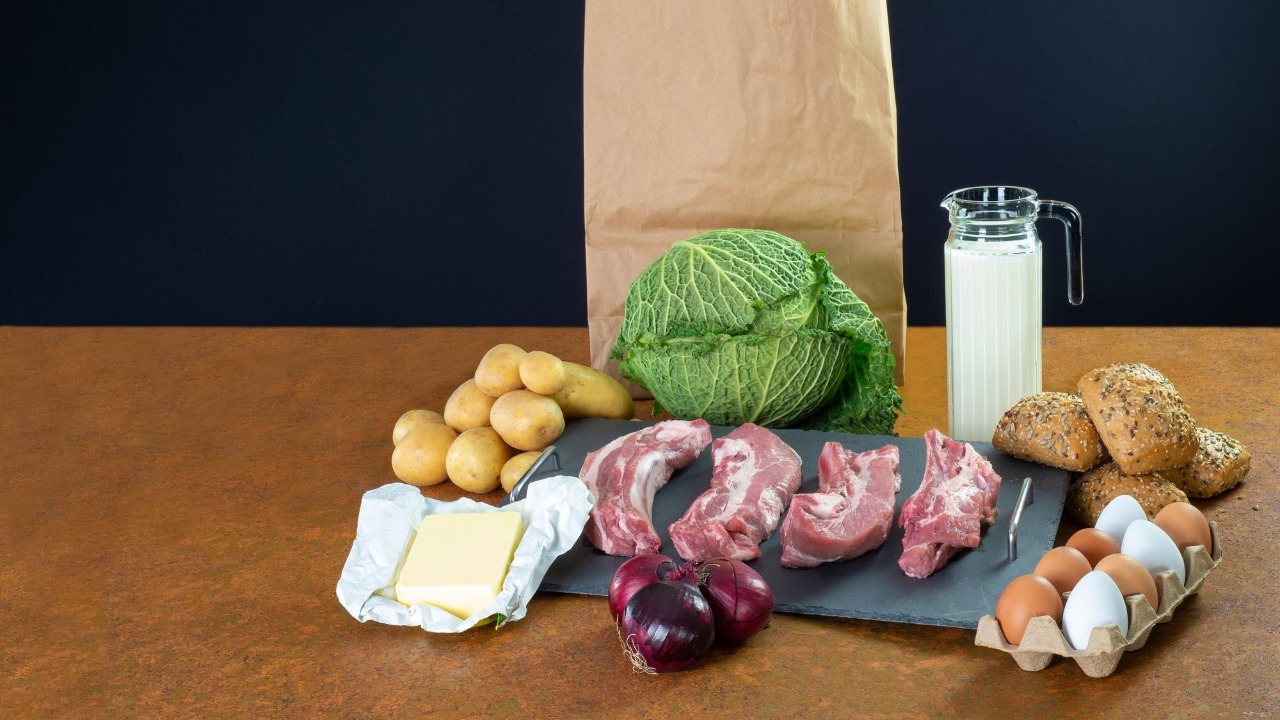
Convenience foods, while time-saving, often come with a higher price tag. By preparing meals from scratch, you can significantly reduce your grocery expenses. Simple swaps, like cooking your own rice or pasta instead of buying pre-cooked versions, can add up to substantial savings.
Consider setting aside time each week to prepare meals and snacks in advance. This practice not only cuts costs but also allows for healthier eating habits, as you have full control over the ingredients and portion sizes.
Homemade Staples

Making your own staples, such as bread, pasta sauce, or salad dressing, can be both cost-effective and rewarding. By taking control over these basic ingredients, you can avoid spending extra on pre-packaged versions.
Homemade staples often taste better and allow for customization based on your preferences. Plus, they can be prepared in bulk and stored for future use, further extending your savings and reducing grocery trips.
Leftover Utilization
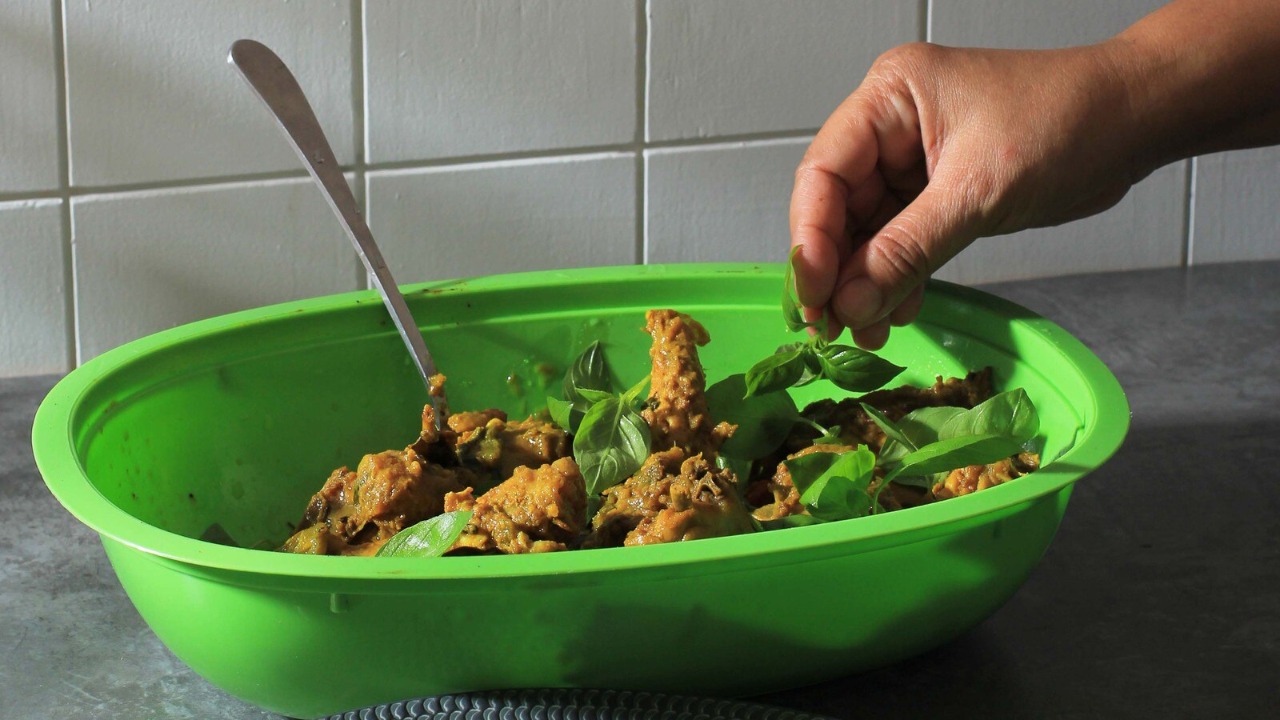
Effective utilization of leftovers is a smart way to extend your meals and reduce waste. By creatively repurposing leftovers, you can avoid throwing away food and save money in the process.
Consider using leftover vegetables in soups or stir-fries, or transform last night’s roast into a hearty sandwich. By thinking outside the box, you can ensure that every bit of food is put to good use, maximizing your grocery investment.
Store Flyers and Circulars

Browsing store flyers and circulars before shopping can alert you to sales and promotions you might otherwise miss. These publications often highlight weekly deals and discounts, helping you plan your shopping list accordingly.
By taking the time to review these materials, you can identify opportunities to stock up on discounted items or try new products at a reduced cost. This habit can contribute significantly to maintaining a $50 budget.
Online Grocery Shopping

Online grocery shopping offers the convenience of comparing prices and accessing exclusive online deals. Many retailers provide discounts for first-time customers or offer free delivery with a minimum purchase, helping you save on transportation costs.
When shopping online, ensure you’re aware of any delivery fees or price differences compared to in-store purchases. This information allows you to make informed decisions and maximize your savings potential.
Reduced-Price Items
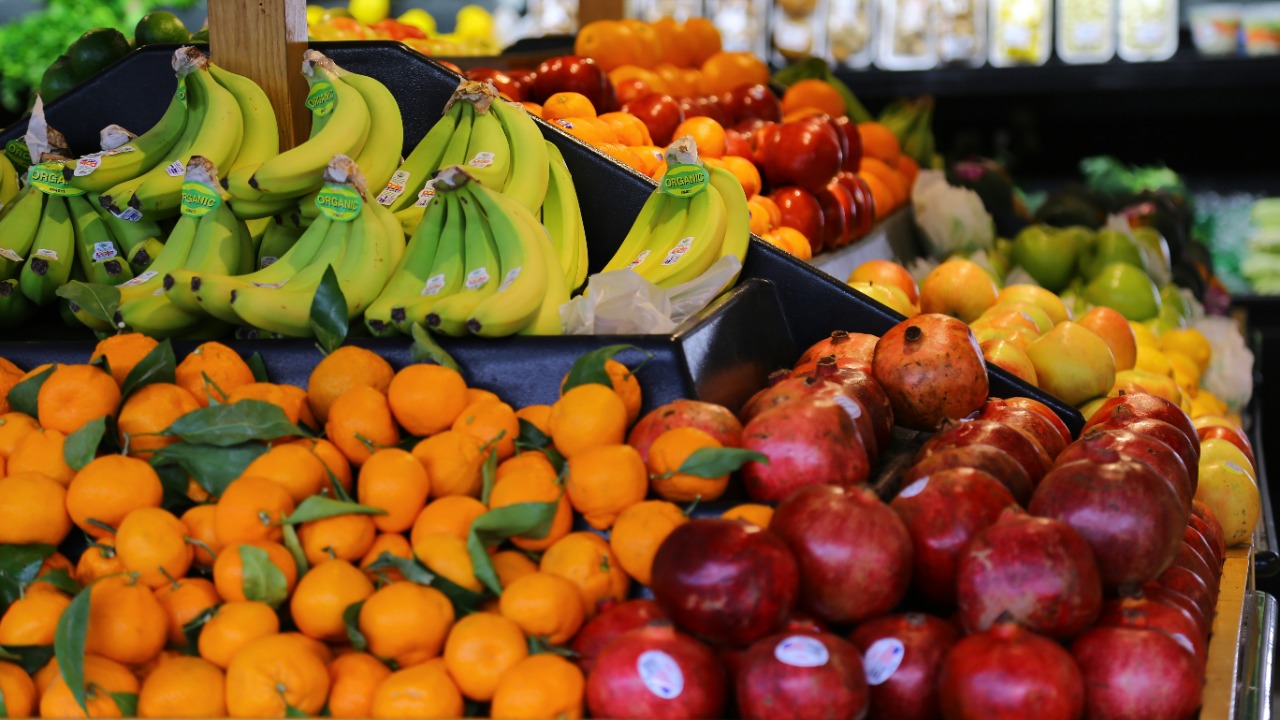
Keep an eye out for reduced-price items, often found in a store’s clearance section. These products are typically nearing their sell-by date but are still perfectly safe to consume.
By incorporating these discounted items into your meal plan, you can enjoy quality foods at a fraction of the cost. Be sure to use them promptly or freeze for later use to prevent spoilage and wastage.
Freeze Excess
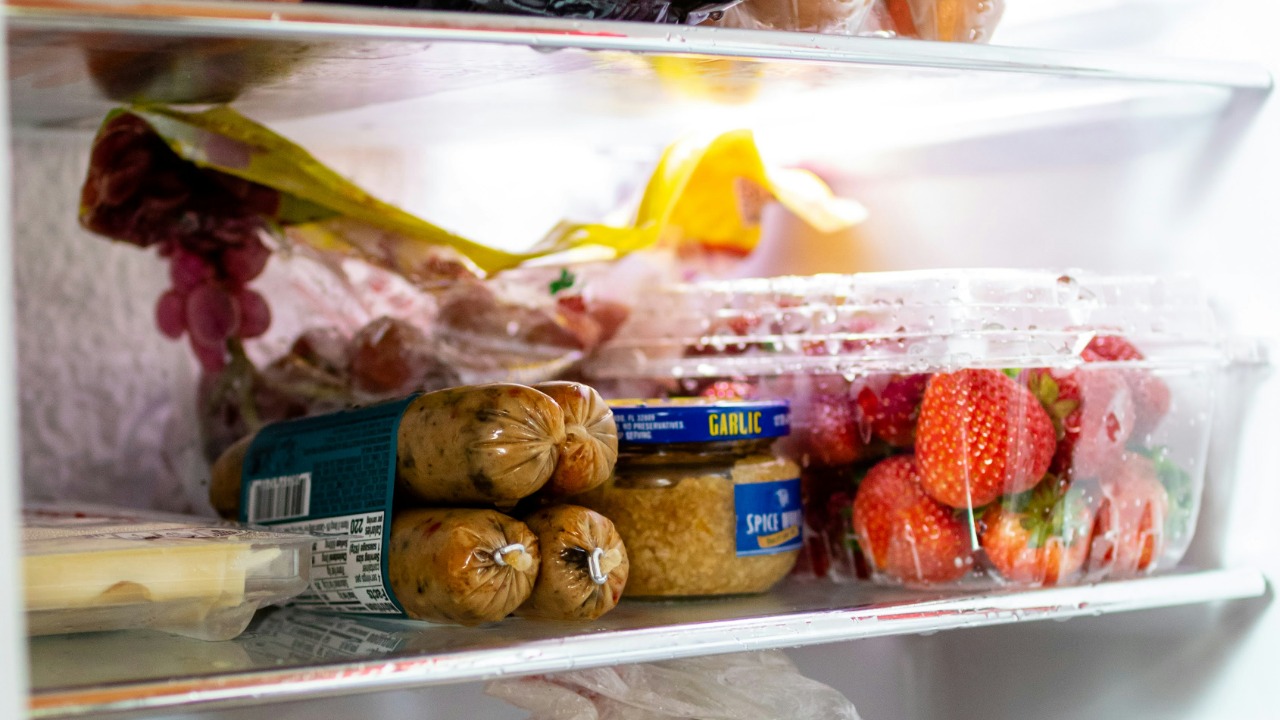
Freezing excess food is an effective way to extend the life of your groceries and prevent waste. Many fresh ingredients, such as meats, vegetables, and bread, can be frozen for future use.
By taking advantage of sales or bulk buying, you can stock up on items and freeze portions for later. This practice not only helps maintain a $50 budget but also ensures you have a steady supply of essentials on hand.
In-Store Promotions

In-store promotions can offer unexpected savings opportunities. These deals, often advertised on shelf tags or announced over the PA system, can lead to significant markdowns on popular items.
By staying alert while shopping, you can take advantage of these limited-time offers. Whether it’s a two-for-one deal or a percentage discount, these promotions can help stretch your budget further without compromising on quality.
Cash-Only Shopping

Shopping with cash can help curb impulse purchases and ensure you stick to your budget. By bringing only the amount you intend to spend, you force yourself to make deliberate choices and prioritize essentials.
This method can be particularly effective if you find it challenging to resist temptations while shopping. By imposing a physical limit on your spending, you become more mindful of your purchases and better able to manage your weekly budget.
Local Farmers Markets

Visiting local farmers markets can provide access to fresh, affordable produce while supporting local growers. These markets often feature seasonal fruits and vegetables at lower prices than traditional grocery stores.
Engaging with vendors can also lead to learning about upcoming deals or gaining tips on how to store and prepare produce for maximum longevity. By incorporating farmers market visits into your routine, you can enjoy fresh food while keeping your budget intact.
Inventory Check

Before heading to the store, take stock of what you already have at home. Conducting a quick inventory check helps prevent purchasing duplicates and ensures you’re using up items before they expire.
This practice not only reduces waste but also helps refine your shopping list, ensuring you’re only buying what you truly need. By being aware of your pantry and fridge contents, you can optimize your meals and maintain a $50 weekly budget with ease.

As a mom of three busy boys, I know how chaotic life can get — but I’ve learned that it’s possible to create a beautiful, cozy home even with kids running around. That’s why I started Cultivated Comfort — to share practical tips, simple systems, and a little encouragement for parents like me who want to make their home feel warm, inviting, and effortlessly stylish. Whether it’s managing toy chaos, streamlining everyday routines, or finding little moments of calm, I’m here to help you simplify your space and create a sense of comfort.
But home is just part of the story. I’m also passionate about seeing the world and creating beautiful meals to share with the people I love. Through Cultivated Comfort, I share my journey of balancing motherhood with building a home that feels rich and peaceful — and finding joy in exploring new places and flavors along the way.