

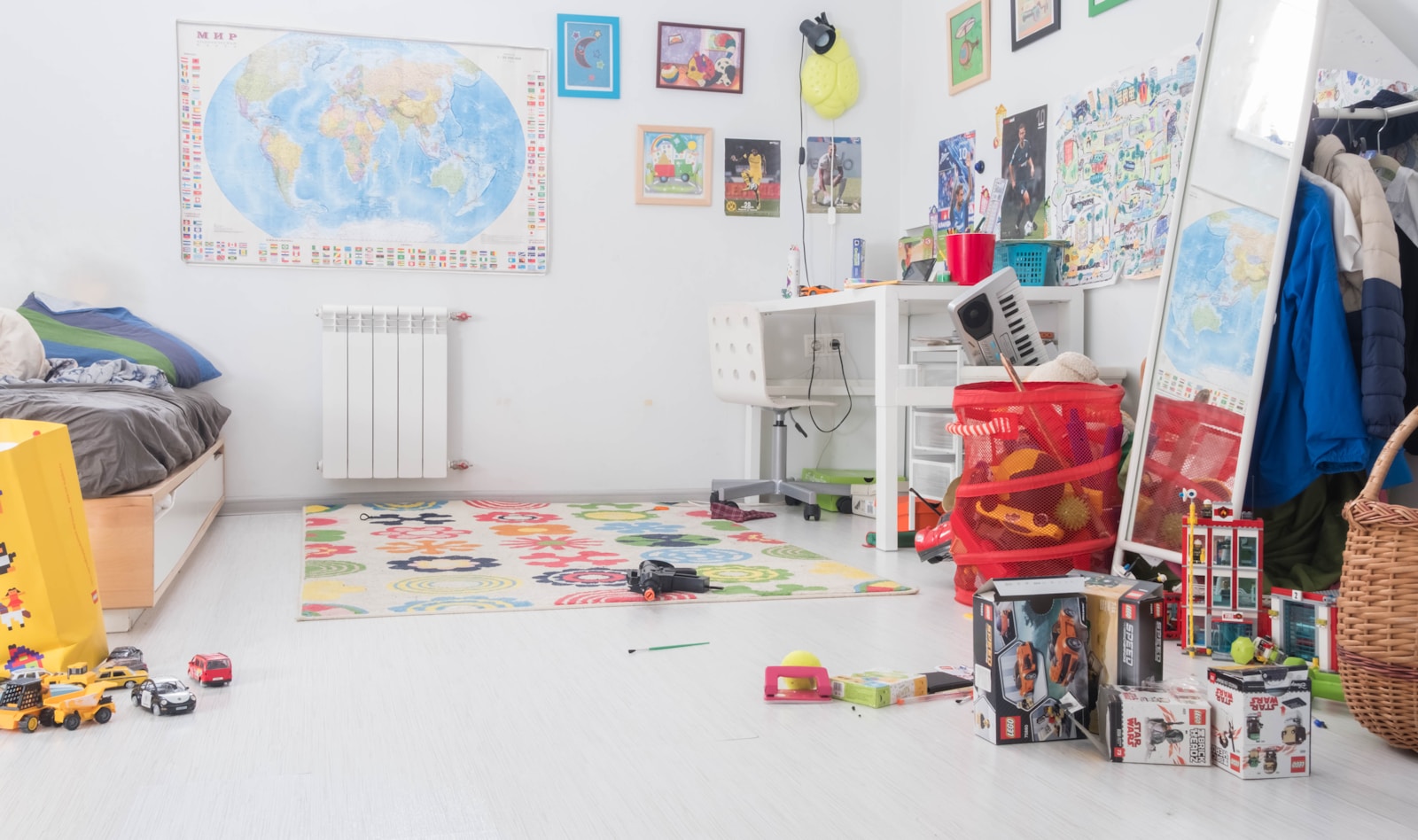
Decor choices can reveal much about a person’s organizational skills and lifestyle preferences. From cluttered spaces to minimalist designs, the way one decorates their home can indicate their approach to life and management. Understanding these decor choices can help individuals reflect on their organization habits and motivate them to create a more structured environment.
1. The Cluttered Countertop
A kitchen countertop littered with appliances, papers, and miscellaneous items often signals a disorganized approach to daily life. When everyday items are left out in the open, it can create a chaotic atmosphere that complicates meal prep and other kitchen activities. Conversely, a clean and tidy countertop suggests that the individual prioritizes organization and efficiency, making it easier to navigate their culinary tasks.
2. Wall Art and Framed Photos
The arrangement of wall art and framed photos can provide insights into a person’s organizational skills. A well-curated gallery wall, with items evenly spaced and thematically organized, reflects a thoughtful approach to decoration and an eye for detail. In contrast, an uncoordinated collection of pictures and art can imply a lack of planning and care in one’s living space.
3. Storage Solutions
How individuals incorporate storage solutions into their decor speaks volumes about their organizational mindset. Using decorative baskets, stylish bookshelves, or multifunctional furniture indicates a conscious effort to maintain order while enhancing aesthetic appeal. On the other hand, a space filled with visible clutter, such as open shelving overflowing with items, reveals a struggle to keep things organized and can contribute to feelings of overwhelm.
4. The Use of Color and Patterns
The palette and patterns chosen for home decor can also reflect one’s organizational tendencies. A cohesive color scheme and consistent patterns suggest a methodical approach to design, indicating that the individual has put thought into creating a harmonious environment. However, a chaotic mix of clashing colors and patterns may signal a less organized mindset, leading to a space that feels disjointed and cluttered.
5. The Presence of Functional Decor
Functional decor—items that serve a purpose beyond mere aesthetics—can indicate a well-organized individual. Examples include stylish organizers, decorative hooks, or attractive trays that help keep items in their designated places. In contrast, a lack of functional decor may suggest a focus solely on visual appeal without consideration for organization, potentially leading to clutter and confusion in daily routines.
Conclusion
Understanding how decor choices reflect organizational skills can empower individuals to make intentional changes in their living spaces. By assessing and adapting their decor, people can create environments that not only look appealing but also foster productivity and peace of mind. Ultimately, the choices we make in our homes can serve as a powerful reminder of the importance of organization in our lives.

As a mom of three busy boys, I know how chaotic life can get — but I’ve learned that it’s possible to create a beautiful, cozy home even with kids running around. That’s why I started Cultivated Comfort — to share practical tips, simple systems, and a little encouragement for parents like me who want to make their home feel warm, inviting, and effortlessly stylish. Whether it’s managing toy chaos, streamlining everyday routines, or finding little moments of calm, I’m here to help you simplify your space and create a sense of comfort.
But home is just part of the story. I’m also passionate about seeing the world and creating beautiful meals to share with the people I love. Through Cultivated Comfort, I share my journey of balancing motherhood with building a home that feels rich and peaceful — and finding joy in exploring new places and flavors along the way.


