

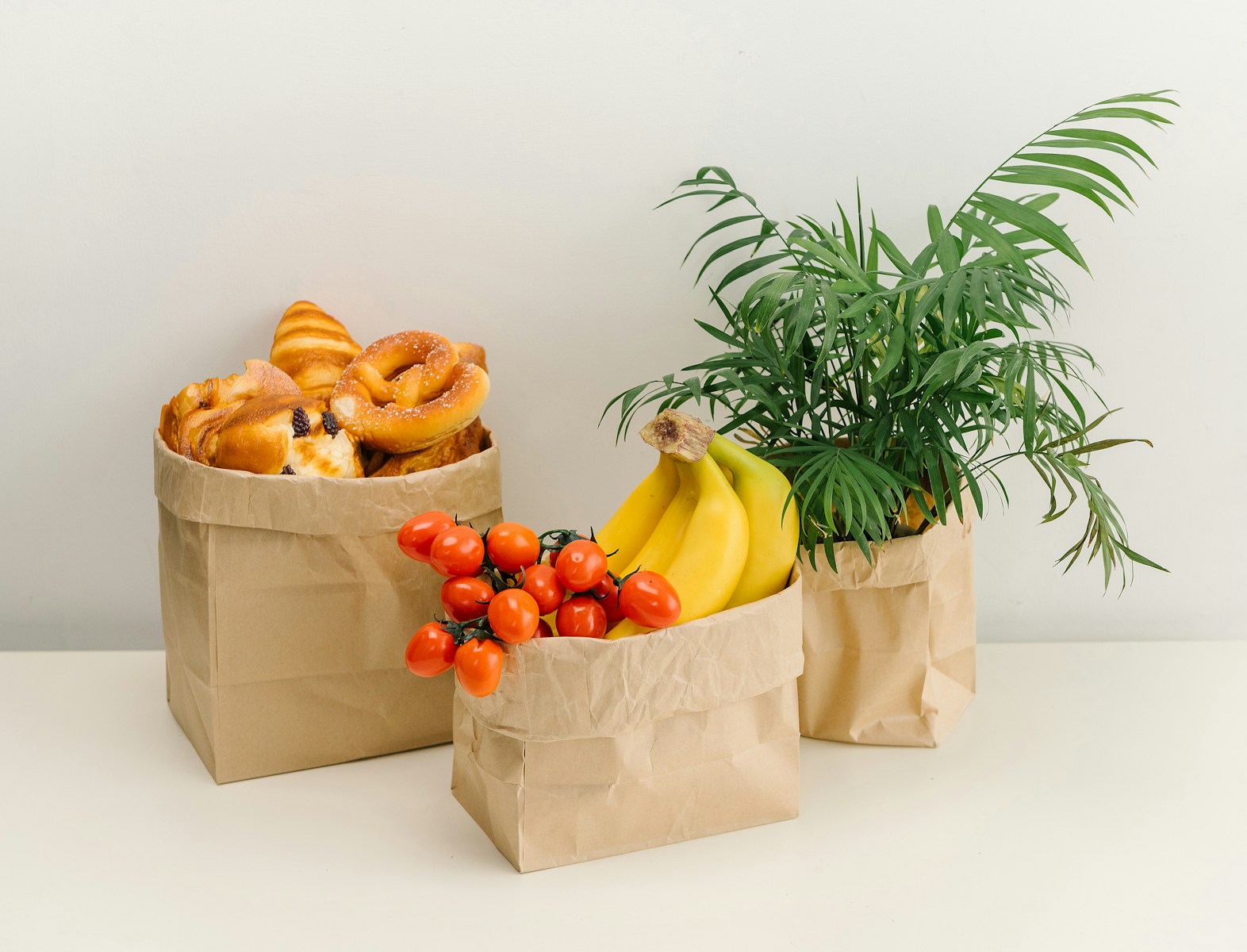
The ongoing rise in inflation and supply chain disruptions have turned everyday grocery items into luxury purchases for many American households, significantly impacting family budgets across the nation. As prices soar on essential items, consumers are feeling the pinch, leading to a shift in shopping habits and a reevaluation of what constitutes a basic necessity.
1. Eggs: A Breakfast Staple Gone Expensive
Once a quick and affordable breakfast option, eggs have seen prices skyrocket, with many consumers reporting costs that have doubled compared to last year. Factors contributing to this increase include avian flu outbreaks and rising feed costs for poultry farmers. For families, what used to be a regular grocery list item has now become a luxury, prompting some to reconsider their breakfast options.
2. Milk: The Price of Dairy Products on the Rise
Milk, a fundamental component of many households, has not escaped the inflationary pressures. With prices rising due to increased production costs and supply chain issues, consumers are now paying significantly more for a gallon of milk than they did just a year ago. This shift has forced families to either cut down on their dairy consumption or seek cheaper alternatives, impacting their overall nutrition and dietary choices.
3. Fresh Produce: A Costly Health Investment
Fresh fruits and vegetables are essential for a healthy diet, but rising prices are making it increasingly difficult for families to maintain their usual shopping habits. Weather-related disruptions and transportation costs have driven up the prices for many produce items. The result is a growing trend of consumers opting for frozen or canned alternatives, which may not offer the same nutritional benefits but are more budget-friendly.
4. Meat: A Protein Source That’s Becoming Scarce
Meat products, particularly beef and chicken, have become prohibitively expensive for many consumers. Supply chain disruptions and rising feed costs have contributed to price increases that are making it challenging for families to afford a balanced diet rich in protein. As a result, consumers are seeking cheaper cuts of meat or exploring plant-based proteins as alternatives, fundamentally altering meal planning and preparation.
5. Bread: A Bakery Basic with a Hefty Price Tag
Bread, often seen as a staple of the American diet, is now facing significant price hikes. The cost of wheat and other essential ingredients has surged, leading to higher prices at the bakery. Many consumers are now opting for store-brand or discount options, while some are even trying their hand at home baking as a means to save money and enjoy a fresh loaf.
6. Cooking Oils: A Necessary Luxury
Cooking oils, fundamental for meal preparation, have also seen a dramatic increase in cost due to global supply chain issues and increased demand. Items like olive oil, vegetable oil, and specialty oils are now regarded as luxury items, prompting consumers to rethink their cooking habits. Some are turning to alternatives or reducing their use altogether to manage grocery expenses, impacting meal flavors and cooking styles.
Consumer Reactions and Coping Strategies
The sudden shift in grocery prices is forcing consumers to adjust their budgeting strategies. Many are turning to discount stores, bulk buying, and meal prepping to stretch their dollars further. Additionally, some families are exploring local farmer’s markets for potentially more affordable and fresher options, while others are relying on community support networks to share resources and food.
The Impact on Family Nutrition and Health
As essential grocery items become less accessible, concerns about nutritional deficiencies are growing. Families may struggle to provide balanced meals, leading to reliance on cheaper, less healthy options. Health experts warn that this shift could have long-term implications on public health, particularly for children who are still developing and require adequate nutrition.
Conclusion: The New Normal in Grocery Shopping
The current inflationary environment has transformed everyday grocery items into luxury goods for many consumers, prompting a reevaluation of shopping habits and dietary choices. As families navigate these changes, the importance of budgeting and finding cost-effective alternatives becomes crucial. This new reality serves as a reminder of the fragility of food security and the need for ongoing support for both consumers and producers in the grocery supply chain.

As a mom of three busy boys, I know how chaotic life can get — but I’ve learned that it’s possible to create a beautiful, cozy home even with kids running around. That’s why I started Cultivated Comfort — to share practical tips, simple systems, and a little encouragement for parents like me who want to make their home feel warm, inviting, and effortlessly stylish. Whether it’s managing toy chaos, streamlining everyday routines, or finding little moments of calm, I’m here to help you simplify your space and create a sense of comfort.
But home is just part of the story. I’m also passionate about seeing the world and creating beautiful meals to share with the people I love. Through Cultivated Comfort, I share my journey of balancing motherhood with building a home that feels rich and peaceful — and finding joy in exploring new places and flavors along the way.