

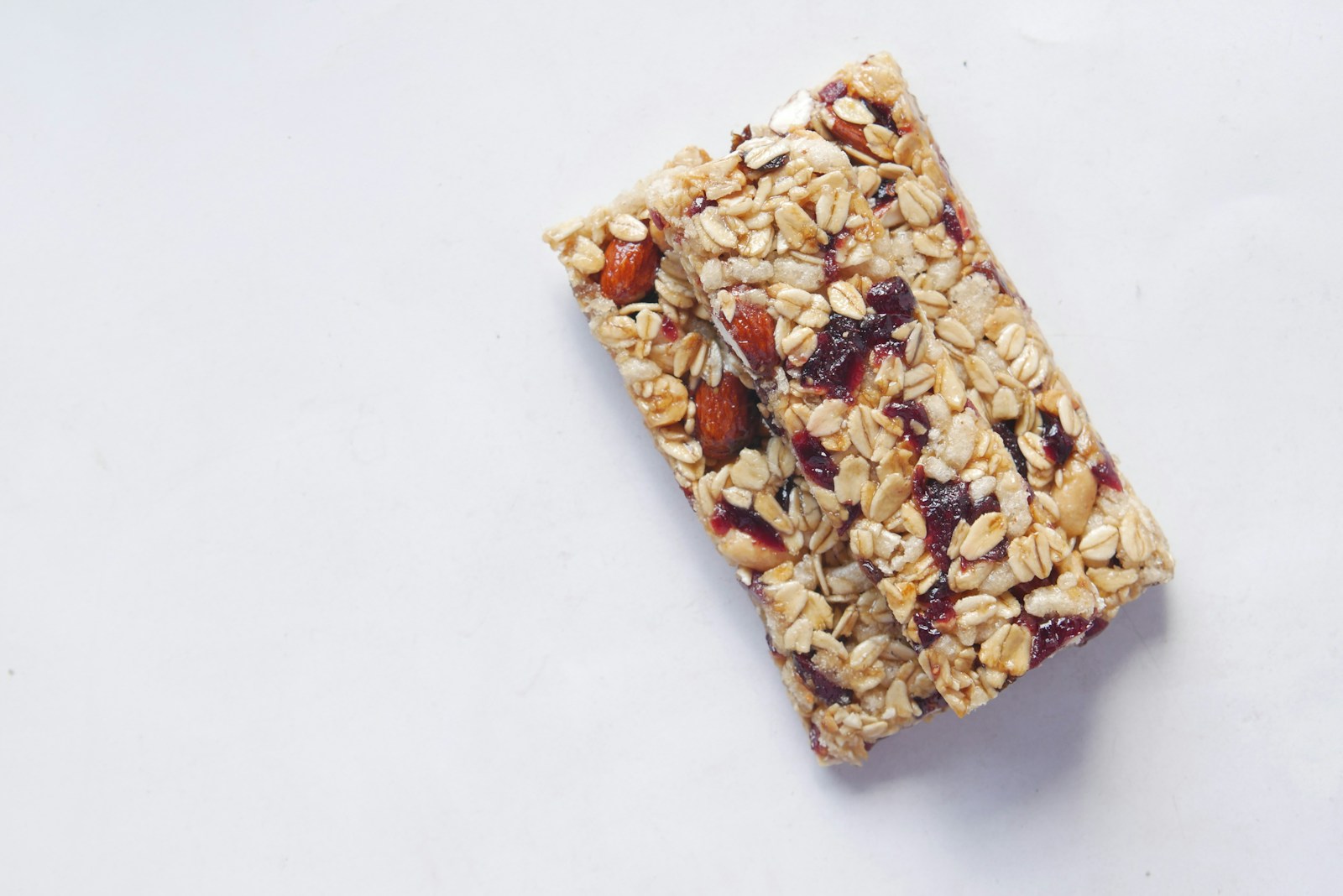
Many consumers are unwittingly consuming excessive sugar while trying to make healthier dietary choices, as several products marketed as “healthy” contain alarmingly high sugar levels. This revelation affects a wide range of individuals, particularly health-conscious shoppers, parents, and anyone looking to improve their eating habits. Understanding the hidden sugars in these products is crucial to making informed food choices and maintaining overall health.
The Rise of “Healthy” Labels
In recent years, the food industry has seen a surge in products marketed as “healthy,” appealing to consumers who are increasingly conscious of their health and well-being. Labels touting “low-fat,” “organic,” or “all-natural” often catch the attention of shoppers, creating a perception that these items are nutritious. However, many of these products contain significant amounts of added sugars, which can undermine the health benefits they claim to offer.
1. Granola Bars
Granola bars are often viewed as a convenient snack option, but many brands pack in more sugar than a candy bar. While they may contain oats and nuts, the addition of sweeteners such as high fructose corn syrup or honey can lead to sugar content exceeding 15 grams per serving. Consumers should scrutinize the ingredient list and opt for bars with whole ingredients and minimal added sugars.
2. Flavored Yogurt
Flavored yogurts, particularly those aimed at children, often contain high levels of added sugars to enhance taste. A single serving can contain upwards of 20 grams of sugar, which is more than the recommended daily limit for children. Choosing plain yogurt and adding fresh fruits or a drizzle of honey allows for better control over sugar intake while enjoying the health benefits of this dairy product.
3. Salad Dressings
Many people believe that salads are a healthy meal choice, but the salad dressing can turn a nutritious bowl into a sugar-laden dish. Some commercial dressings contain as much as 10 grams of sugar per serving. Opting for homemade dressings using olive oil, vinegar, and herbs can provide flavor without the added sugars.
4. Whole Grain Bread
Whole grain bread is often marketed as a healthy alternative, but some brands include added sugars to enhance flavor and texture. Certain loaves can contain as much as 5 grams of sugar per slice. When shopping for bread, look for labels that emphasize “100% whole grain” and check the ingredient list to ensure that sugar is not one of the first few ingredients listed.
5. Smoothie Bowls
Smoothie bowls are popular among health enthusiasts, but many commercially-prepared versions can contain excessive amounts of sugar. Often, these bowls are packed with fruit purees, sweetened granola, and syrups, pushing sugar content over 30 grams. To maintain a healthy choice, consider making homemade smoothie bowls using whole fruits, vegetables, and unsweetened toppings.
6. Protein Bars
Protein bars have gained traction as a quick meal replacement, but many varieties are laden with sugars to mask an unappealing taste. Some protein bars contain more sugar than a candy bar, with levels exceeding 20 grams per serving. When selecting a protein bar, prioritize those with natural protein sources and minimal added sugars.
Identifying Hidden Sugars
Understanding how to read nutrition labels is vital in identifying hidden sugars in products. Ingredients are listed in descending order by weight, so if sugar or any sugar-derived ingredient appears in the top three, it likely constitutes a significant portion. Additionally, terms like sucrose, glucose, and corn syrup indicate added sugars, even if they are not labeled as such.
The Health Implications
Excessive sugar intake has been linked to a range of health issues, including obesity, diabetes, and heart disease. The American Heart Association recommends limiting added sugars to no more than 6 teaspoons per day for women and 9 teaspoons for men. By being aware of hidden sugars in products labeled as healthy, consumers can better manage their sugar intake and overall health.
Practical Tips for Healthier Choices
To navigate the grocery store effectively, consider implementing a few practical tips. First, make a habit of reading nutrition labels and ingredient lists before purchasing any product. Second, focus on whole, unprocessed foods that do not require labels, such as fruits, vegetables, nuts, and seeds. Finally, when shopping for packaged foods, familiarize yourself with brands that prioritize low-sugar options.

As a mom of three busy boys, I know how chaotic life can get — but I’ve learned that it’s possible to create a beautiful, cozy home even with kids running around. That’s why I started Cultivated Comfort — to share practical tips, simple systems, and a little encouragement for parents like me who want to make their home feel warm, inviting, and effortlessly stylish. Whether it’s managing toy chaos, streamlining everyday routines, or finding little moments of calm, I’m here to help you simplify your space and create a sense of comfort.
But home is just part of the story. I’m also passionate about seeing the world and creating beautiful meals to share with the people I love. Through Cultivated Comfort, I share my journey of balancing motherhood with building a home that feels rich and peaceful — and finding joy in exploring new places and flavors along the way.