

The culinary landscape has shifted dramatically over the decades, leaving many baby boomers longing for ingredients that were once staples in their kitchens. As food trends evolve and health consciousness rises, certain items that defined the cooking and dining experiences of the 1940s through the 1960s are becoming increasingly scarce. This trend not only affects the nostalgic palates of those who grew up during this era but also impacts how younger generations perceive traditional cooking methods.
1. Canned Vegetables with Distinct Flavors
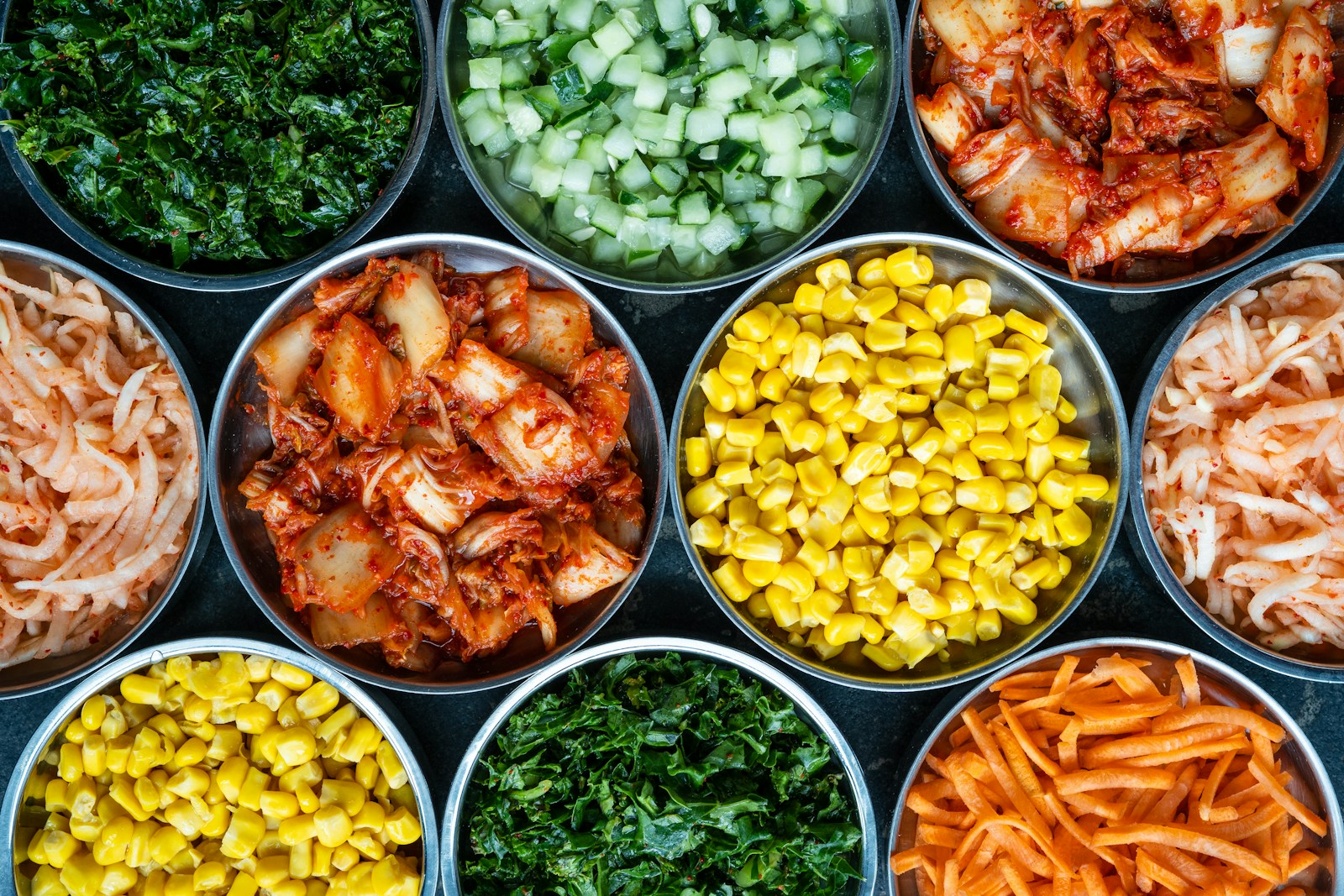
Canned vegetables were a fundamental part of many boomers’ diets. Brands like Del Monte and Libby’s offered a variety of options that were easily accessible and affordable. However, in recent years, the market has seen a significant decline in the availability of canned vegetables with the same robust flavors, as consumers have shifted towards fresh and organic produce. Many boomers reminisce about the distinct taste of canned peas or corn, which they believe have been lost due to modern processing methods and a focus on health-oriented products.
2. Jell-O Salad
Once a staple at family gatherings and potlucks, Jell-O salad has faded from popularity, but it played a significant role in mid-century American cuisine. This colorful dish often combined gelatin with fruits, vegetables, and even marshmallows, resulting in a unique presentation that was both appealing and often served as a side dish. The resurgence of fresh ingredients and healthier eating habits has left this quirky item relegated to nostalgia, and it remains challenging to find recipes or pre-made options in grocery stores.
3. Velveeta Cheese
Velveeta cheese, famously marketed as “the cheese that melts,” was a beloved ingredient for making creamy mac and cheese or cheesy dips. Although it is still available, the product has experienced a decline in popularity as consumers move towards artisanal cheeses and more natural options. Many boomers remember using Velveeta in comfort food recipes, and there is a growing sentiment that its unique texture and flavor are hard to replicate with modern alternatives.
4. Miracle Whip
Miracle Whip, a tangy mayonnaise alternative, was a common condiment in many baby boomers’ households. Used in salads, sandwiches, and dressings, it provided a distinctive flavor that set it apart from traditional mayonnaise. However, with the rise of gourmet foods and a shift towards healthier eating, many grocery stores have reduced their Miracle Whip stock, leading to frustration among those who fondly remember its unique taste. The combination of nostalgia and scarcity has made it a sought-after item for those looking to recreate their childhood meals.
5. Tang Drink Mix
Popularized during the space race of the 1960s, Tang drink mix was a favorite among children and adults alike. Its bright orange color and sweet flavor made it a go-to beverage, especially for families during hot summer days. While Tang is still available, it has lost its prominence on shelves, with many consumers opting for healthier drink alternatives. This shift has left many baby boomers yearning for the sweet, citrusy taste that reminds them of their youth.
6. Instant Pudding
Instant pudding mix was a quick and easy dessert option that allowed busy families to whip up a sweet treat in no time. Available in a variety of flavors, including chocolate and vanilla, it became a versatile ingredient for desserts like trifles and pies. The modern culinary trend towards fresh ingredients and from-scratch cooking has led to a decline in the availability of instant pudding mixes, leaving many boomers searching for the familiar boxes that once filled their pantry shelves.
Why These Ingredients Matter
The scarcity of these ingredients speaks to broader changes in food culture and consumer preferences. Baby boomers often associate these items with comfort and family gatherings, making their decline a bittersweet reminder of the past. As these nostalgic ingredients become harder to find, they symbolize the evolving landscape of American cuisine, where convenience and tradition sometimes clash.
Moreover, the desire for these ingredients reflects a yearning for simpler times and the memories tied to them. Food has always been a key part of family traditions, and as certain items disappear from grocery aisles, there’s a risk of losing the connections they fostered.

As a mom of three busy boys, I know how chaotic life can get — but I’ve learned that it’s possible to create a beautiful, cozy home even with kids running around. That’s why I started Cultivated Comfort — to share practical tips, simple systems, and a little encouragement for parents like me who want to make their home feel warm, inviting, and effortlessly stylish. Whether it’s managing toy chaos, streamlining everyday routines, or finding little moments of calm, I’m here to help you simplify your space and create a sense of comfort.
But home is just part of the story. I’m also passionate about seeing the world and creating beautiful meals to share with the people I love. Through Cultivated Comfort, I share my journey of balancing motherhood with building a home that feels rich and peaceful — and finding joy in exploring new places and flavors along the way.