In recent years, traditional health practices and remedies that have long been overlooked are experiencing a resurgence, as individuals seek natural alternatives to modern medicine. This shift is affecting health enthusiasts, wellness professionals, and anyone interested in improving their well-being without pharmaceutical interventions. As people increasingly prioritize holistic approaches to health, six specific old health wisdoms are gaining traction for their simplicity and effectiveness.
1. Herbal Remedies
Herbal remedies are witnessing a revival as society turns back to the natural world for solutions to common ailments. Many herbs, such as echinacea for colds and ginger for digestive issues, have been used for centuries and are now being scientifically validated. The accessibility of these remedies, often found in local markets or easily cultivated at home, makes them attractive options for those looking for holistic health solutions.
Moreover, the rise of online platforms has enabled individuals to share their experiences with herbal treatments, fostering a community of wellness seekers who exchange tips and recipes. This resurgence is not just a trend; it reflects a deeper understanding of the potential benefits that nature offers.
2. Fasting
Intermittent fasting has become one of the most popular health trends, yet its roots trace back to ancient practices across various cultures. Historically, fasting was often linked to spiritual and health benefits, and modern science is now supporting these claims by showing how fasting can improve metabolism and even promote longevity.
As people become more aware of the potential health benefits, such as improved insulin sensitivity and weight management, many are embracing fasting not just as a diet but as a lifestyle choice. This practice encourages mindful eating and helps individuals reconnect with their bodies’ natural hunger signals.
3. Mindfulness and Meditation
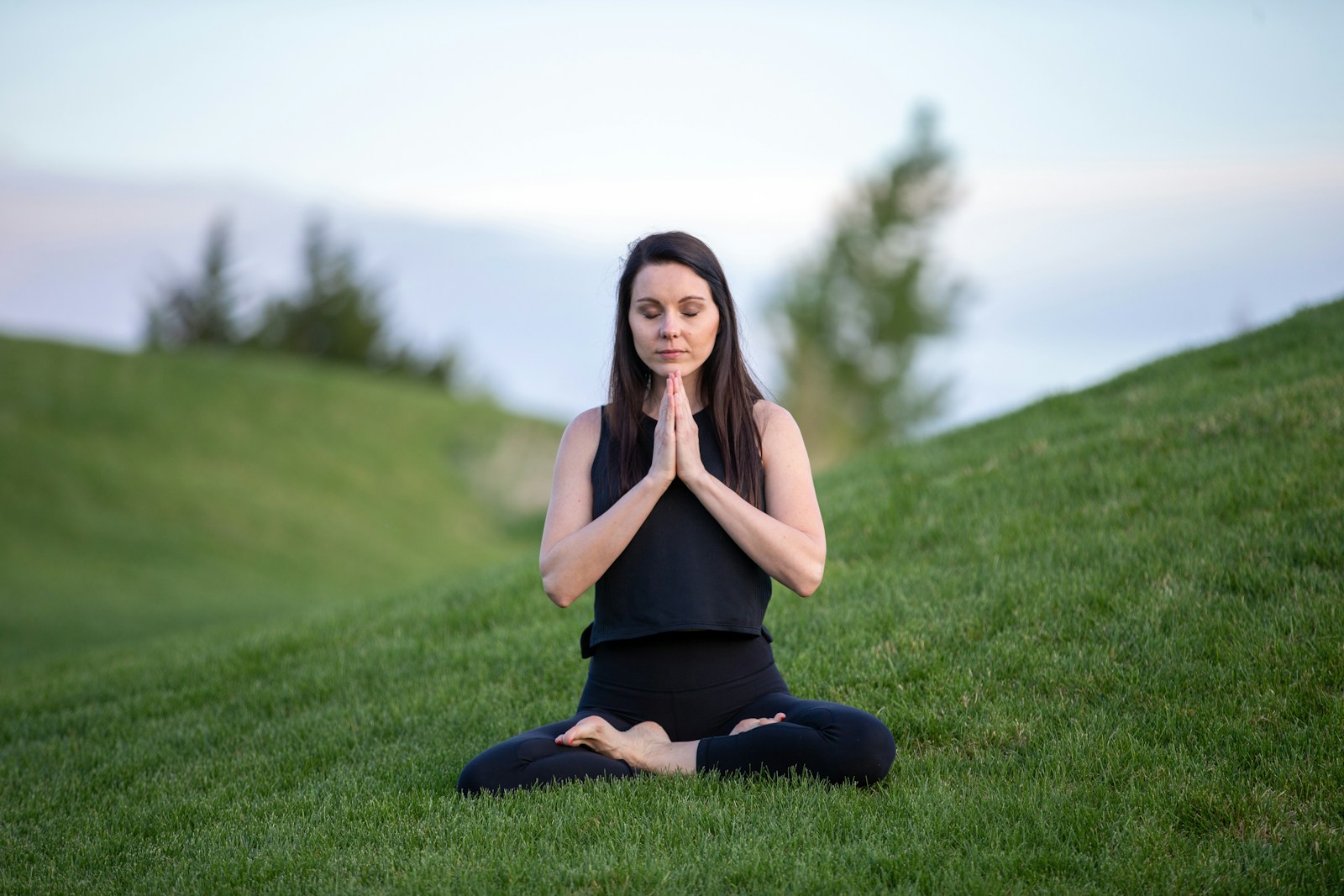
Mindfulness and meditation, once primarily associated with Eastern philosophies, are now being adopted widely in Western cultures as tools for mental well-being. These practices date back thousands of years and have been shown to reduce stress, improve focus, and enhance emotional health. The growing body of research supporting their benefits is prompting schools, workplaces, and healthcare providers to incorporate mindfulness programs.
The urgency surrounding mental health issues has made the need for effective stress-reduction techniques more pressing than ever. By integrating mindfulness into daily routines, individuals are finding new ways to cope with modern life’s challenges.
4. Bone Broth
Bone broth has emerged as a popular health food, praised for its nutritional benefits. This age-old remedy, made by simmering animal bones, is rich in collagen, amino acids, and minerals, making it a powerhouse for gut health, joint support, and skin rejuvenation. Its resurgence can be attributed to the growing focus on gut health and the desire for nutrient-dense, whole foods.
Many health enthusiasts are opting to make their own bone broth at home or purchasing it from local health stores. The warm, comforting nature of bone broth also aligns with the increasing trend toward comfort foods that are both nourishing and health-promoting.
5. Fermented Foods
Fermented foods, such as yogurt, kimchi, and sauerkraut, are making a significant comeback as people seek to improve their gut health. Fermentation, a process that has been utilized for centuries, not only preserves food but also enhances its nutritional value by introducing beneficial probiotics. The renewed interest in these foods is largely driven by growing awareness of the gut-brain connection and its impact on overall well-being.
As the demand for gut-friendly foods rises, consumers are increasingly looking for ways to incorporate these products into their diets. This trend is also prompting food manufacturers to create new and innovative fermented products, making it easier for people to enjoy the benefits of probiotics.
6. Nature Therapy
Nature therapy, or ecotherapy, is gaining recognition for its benefits in enhancing mental health and overall wellness. Historically, many cultures have understood the calming and restorative effects of nature, but modern urban lifestyles often disconnect individuals from natural environments. Research continues to support the notion that spending time outdoors can reduce stress, improve mood, and enhance cognitive function.
As urban areas become increasingly crowded, parks and green spaces are being utilized for their therapeutic effects. Initiatives promoting outdoor activities, such as hiking and gardening, are encouraging people to reconnect with nature, highlighting the importance of environmental well-being in our health.

As a mom of three busy boys, I know how chaotic life can get — but I’ve learned that it’s possible to create a beautiful, cozy home even with kids running around. That’s why I started Cultivated Comfort — to share practical tips, simple systems, and a little encouragement for parents like me who want to make their home feel warm, inviting, and effortlessly stylish. Whether it’s managing toy chaos, streamlining everyday routines, or finding little moments of calm, I’m here to help you simplify your space and create a sense of comfort.
But home is just part of the story. I’m also passionate about seeing the world and creating beautiful meals to share with the people I love. Through Cultivated Comfort, I share my journey of balancing motherhood with building a home that feels rich and peaceful — and finding joy in exploring new places and flavors along the way.