Sixty-three percent of people who host family overnight say the visits leave them exhausted, according to a Hilton survey conducted with Morning Consult among 2,201 U.S. adults. More than half — 53% — admit they’ve invented an excuse to cut a family visit short, and 46% of hosts say they would enjoy the season more if their relatives simply booked a hotel room instead of sleeping down the hall.
The exhaustion runs both directions
Hosts aren’t the only ones counting down the days. Among the guests in Hilton’s survey, 38% said they need a stretch of solitude within 24 hours of arriving somewhere to stay with relatives, and 32% reported their sleep quality actually gets worse when they’re bunking with family rather than staying somewhere neutral. Part of that comes down to logistics: 36% of overnight guests end up sleeping on a couch, an air mattress or some other non-bed surface.
The friction shows up in specific, almost petty ways once you look past the headline numbers. Forty-four percent of respondents named imposed bedtimes as an irritant, 43% pointed to mandatory matching holiday outfits, and 39% said they resented being roped into group activities they didn’t actually want to do.
It’s worth separating what’s actually driving the exhaustion from what gets blamed for it. Nobody in Hilton’s survey is describing a family conflict. What they’re describing is closer to sensory overload: shared bathrooms, disrupted routines, someone else’s schedule dictating when the house goes quiet.
Why so few people actually do this
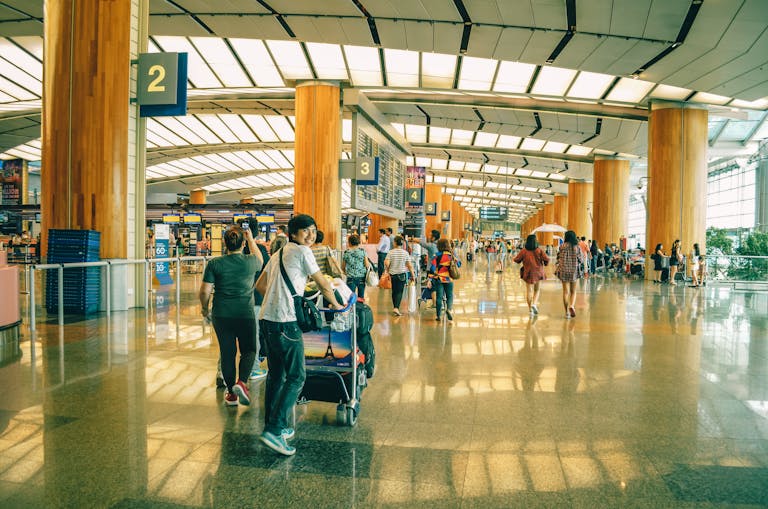
Here’s the part of the data that’s easy to miss: despite all of that friction, only 15% of Americans in Hilton’s survey said they were planning an overnight holiday stay with family at all, out of the 21% who said they were traveling for the holidays in general. Most people who travel for the holidays are already avoiding the overnight-guest arrangement entirely — booking their own room, staying with friends, or keeping trips short enough that the exhaustion never has time to build.
That’s arguably the more useful finding buried in this survey. It isn’t really about family relationships breaking down. It’s about a logistical mismatch between how families still default to visiting each other and how those same people actually sleep, recharge and function best. A hotel room down the street doesn’t change who’s related to whom; it just removes the parts of the visit that were never really about connection in the first place.
Heading into another holiday season, that distinction is worth sitting with. The exhaustion Hilton’s data documents isn’t a sign families should see each other less. It’s a sign that where everyone sleeps might matter more than anyone’s been willing to admit out loud.
Hotels themselves have started marketing directly to this exact tension. A growing number of properties near major metro areas now advertise “family visit” or “hosting season” packages specifically aimed at relatives coming to town for a holiday, positioning a nearby room not as an upgrade but as the more practical version of a visit — one where guests still spend their days with family but retreat somewhere quiet at night. The framing matters: it’s not the family relationship being outsourced, just the sleep arrangement, and Hilton’s own survey data suggests that reframing is exactly what a meaningful share of hosts and guests have been quietly wishing for anyway.
For families weighing whether to suggest the change this year, the data offers a low-stakes way to float it: framing a nearby hotel room as a way to make everyone’s daytime hours together more pleasant, rather than as a rejection of the visit itself, tends to land better than raising it as a complaint about the exhaustion in the moment.
The survey’s timing also makes it useful to plan around rather than just react to after the fact. Booking a nearby room weeks ahead of a visit, before the holiday rush drives prices up, gives a family the option without the awkwardness of raising it once guests have already arrived and settled into the guest room. Raising the idea in the same breath as the invitation itself, rather than after travel plans are already locked in, tends to make it feel like a thoughtful option rather than a last-minute walk-back.