You might think that the food you buy from your local grocery store is safe. After all, it’s inspected and approved by food safety authorities, right? Unfortunately, this isn’t always the case. Recent trends, data, and expert insights have revealed that some common groceries aren’t as safe as we once believed. These items might look harmless on the shelf, but they could pose serious health risks in the long run.
This list is based on real-world trends, expert interviews, and data from various sources. It aims to shed light on the groceries that experts say aren’t safe anymore. Below, you’ll find an in-depth analysis of each item, including why they’re commonly overlooked and why their safety is now in question.
Canned Foods
Canned foods are a staple in many households due to their convenience and long shelf-life. They’re perfect for those days when you don’t have time to cook from scratch. However, despite their convenience, canned foods have recently been found to pose potential health risks.
Experts are now cautioning against the regular consumption of canned foods due to the presence of Bisphenol A (BPA). BPA is a chemical used in the lining of cans, and it’s been linked to various health problems, including heart disease and cancer. Hence, it’s recommended to limit your consumption of canned foods and opt for fresh or frozen alternatives.
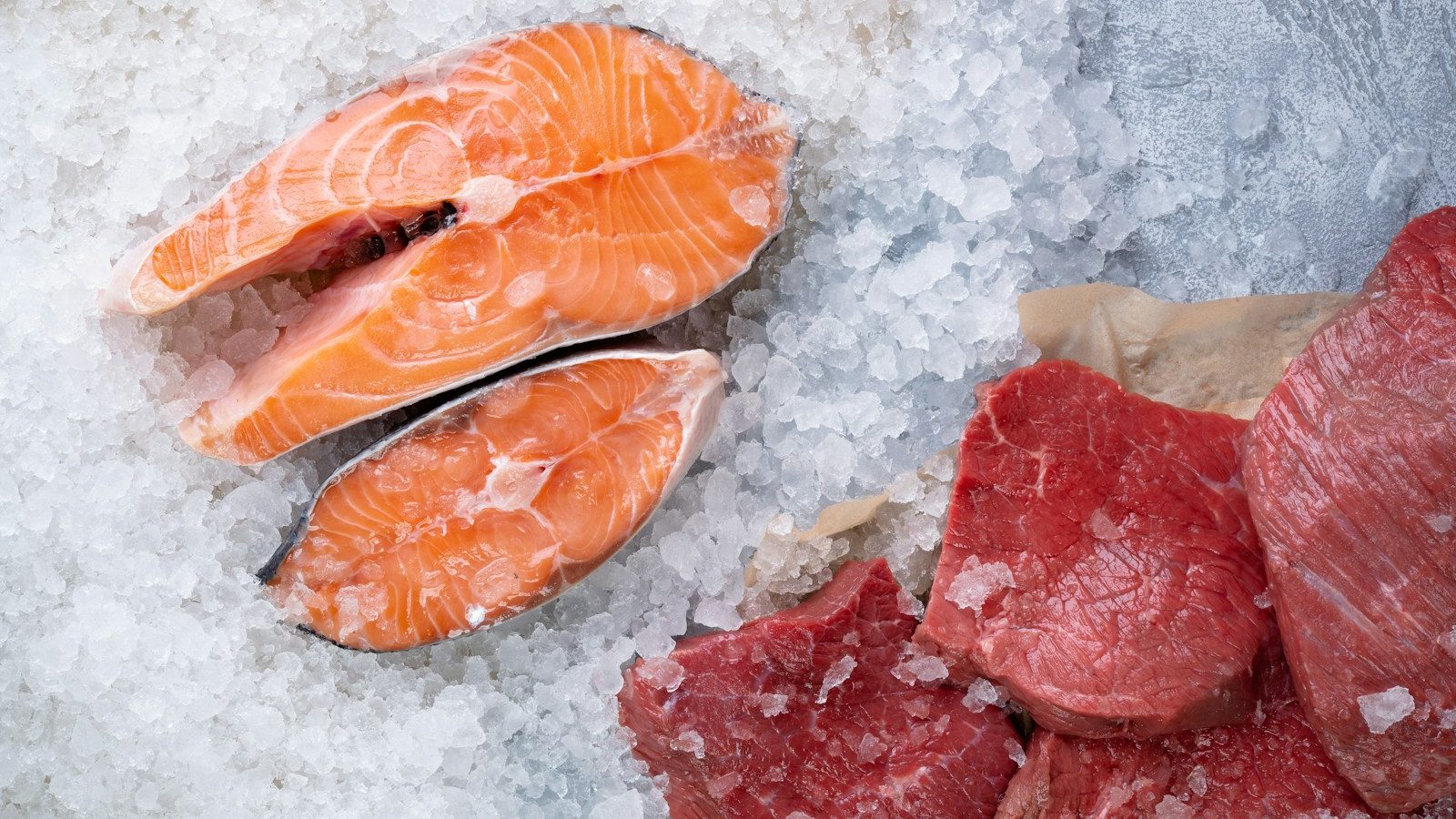
Farmed Salmon
Farmed salmon is a popular choice among seafood lovers. It’s often cheaper than wild salmon and is available all year round. However, farmed salmon isn’t exactly the health food many people believe it to be.
According to marine experts, farmed salmon is often raised in crowded conditions, leading to high levels of pollution and disease. They’re also fed a diet of processed feed, which results in a lower nutritional value compared to wild salmon. Furthermore, farmed salmon often has higher levels of contaminants, including polychlorinated biphenyls (PCBs), which have been linked to cancer and other health issues.
Processed Meats
Processed meats, including sausages, bacon, and deli meats, are a common feature in many people’s diets. They’re convenient, tasty, and easy to prepare. However, regular consumption of these items might not be the healthiest choice.
Experts have linked processed meats to various health problems, including heart disease, high blood pressure, and certain types of cancer. They’re often high in sodium and preservatives, which can have negative impacts on your health. It’s recommended to limit your intake of processed meats and choose lean, fresh meats instead.
Non-organic Strawberries
Non-organic strawberries are often cheaper than their organic counterparts and are readily available in most grocery stores. They’re a favorite among many for their sweet taste and versatility in various dishes.
However, non-organic strawberries have been found to carry more pesticide residues compared to other fruits and vegetables. These pesticides can have harmful effects on your health in the long run. Whenever possible, it’s recommended to choose organic strawberries to reduce your exposure to these harmful chemicals.
Microwave Popcorn
Microwave popcorn is a popular snack due to its convenience and tasty flavor. It’s a quick and easy option for those movie nights at home or a quick snack on the go. However, this simple snack might not be as harmless as it seems.
Many brands of microwave popcorn use bags that are lined with perfluorooctanoic acid (PFOA), a chemical linked to various health problems, including kidney disease and cancer. Furthermore, the artificial butter flavoring used in many brands contains diacetyl, a chemical that can cause lung damage when inhaled in large amounts. It’s recommended to make your popcorn using natural kernels and a stovetop popper instead.
Refined Grains
Refined grains, such as white bread, pasta, and rice, are staples in many diets. They’re often preferred for their softer texture and longer shelf-life compared to whole grains. However, these refined products might not be the healthiest choice.
Experts suggest that refined grains are stripped of their natural nutrients during the refining process. They’re also linked to an increased risk of diabetes, heart disease, and weight gain. It’s recommended to choose whole grains whenever possible for a healthier diet.
Artificial Sweeteners
Artificial sweeteners, like aspartame and sucralose, are commonly used as a low-calorie alternative to sugar. They’re found in many diet drinks, sugar-free desserts, and low-calorie foods. Despite their low-calorie appeal, these sweeteners might not be the healthiest choice.
Recent studies suggest that artificial sweeteners can actually lead to weight gain and other health problems, such as diabetes and heart disease. They can also disrupt your body’s natural ability to regulate sugar, leading to overeating and cravings. It’s recommended to limit your consumption of artificial sweeteners and opt for natural alternatives like honey or stevia.

As a mom of three busy boys, I know how chaotic life can get — but I’ve learned that it’s possible to create a beautiful, cozy home even with kids running around. That’s why I started Cultivated Comfort — to share practical tips, simple systems, and a little encouragement for parents like me who want to make their home feel warm, inviting, and effortlessly stylish. Whether it’s managing toy chaos, streamlining everyday routines, or finding little moments of calm, I’m here to help you simplify your space and create a sense of comfort.
But home is just part of the story. I’m also passionate about seeing the world and creating beautiful meals to share with the people I love. Through Cultivated Comfort, I share my journey of balancing motherhood with building a home that feels rich and peaceful — and finding joy in exploring new places and flavors along the way.