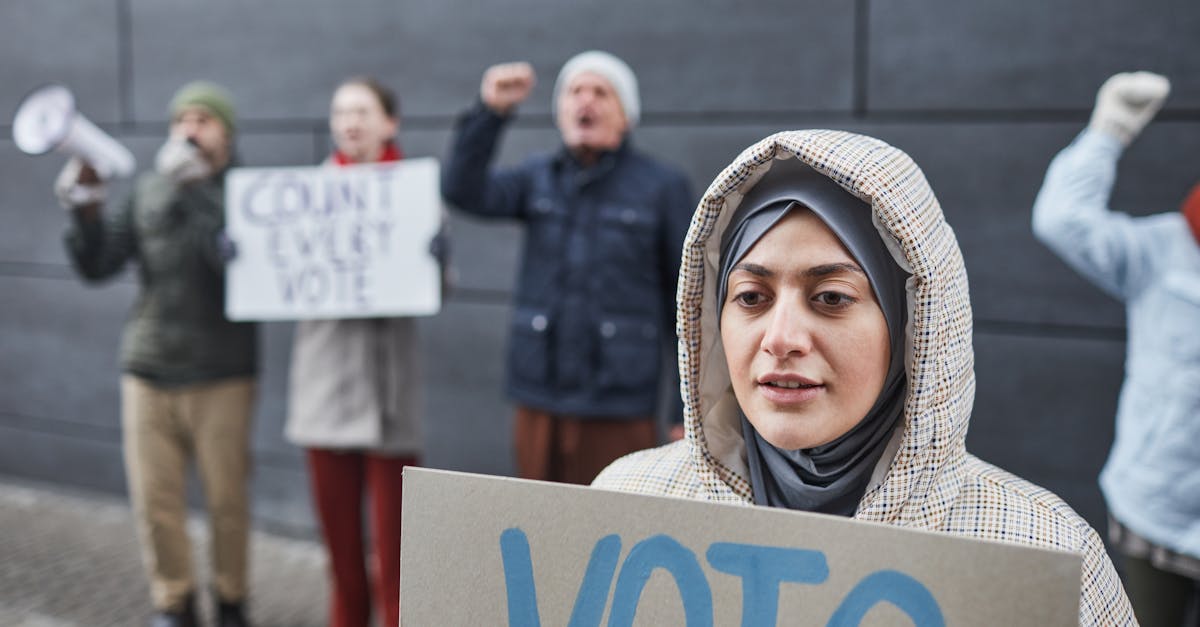

In recent years, several fundamental values that many consider common sense have taken on political connotations, affecting public discourse and policy decisions across the United States. This shift not only complicates conversations around these issues but also polarizes communities that once found common ground. Understanding how values like empathy, education, and environmental stewardship became politicized is crucial for fostering healthier dialogues in an increasingly divided society.
1. Empathy and Compassion
Empathy, the ability to understand and share the feelings of others, has become a contentious topic in political discussions, particularly regarding social welfare programs and immigration policies. While many view empathy as a universal human trait, its political implications often lead to debates about government responsibility. Critics argue that prioritizing empathy in policy-making can lead to unsustainable spending, while proponents assert that a compassionate approach is essential for a fair society.
2. Education and Knowledge
Education has long been heralded as a cornerstone of progress and opportunity, yet it has become a flashpoint in political debates, particularly regarding curriculum content and funding. Issues such as critical race theory and sex education have polarized communities, with some advocating for a more inclusive educational approach and others pushing for a return to traditional values. This division highlights how what should be a shared investment in future generations has turned into a battleground for ideological conflicts.
3. Environmental Stewardship
Once regarded as a moral obligation to future generations, environmental stewardship has become highly politicized, influencing everything from legislation to individual behavior. Climate change discussions often evoke strong responses from both sides of the political spectrum, with some advocating for aggressive measures to curb emissions, while others express skepticism about the science and economic implications of such actions. As a result, caring for the planet has transformed from a collective responsibility into a divisive issue, complicating efforts to achieve meaningful environmental reform.
4. Health Care as a Human Right
The belief that healthcare is a fundamental human right has increasingly become a polarizing political issue in the United States. While many citizens advocate for universal healthcare access, viewing it as a moral imperative, opponents argue about the economic implications and potential inefficiencies of government-run systems. This division exemplifies how a value centered on well-being and care for others has been reframed as a partisan debate, hampering progress toward comprehensive healthcare solutions.
5. Community Support and Solidarity
Community support—whether through local organizations, volunteer efforts, or mutual aid—has historically been seen as a civic virtue. However, in recent years, discussions around community support have become intertwined with political ideologies. Issues such as funding for social programs and community policing have sparked debates that pit community solidarity against concerns about government overreach and accountability. This polarization raises questions about how communities can come together to address local needs without succumbing to political divisions.
6. Freedom of Speech
Freedom of speech is enshrined in the First Amendment, yet its interpretation has sparked fierce debates in modern discourse. While many view the ability to express opinions freely as a fundamental right, discussions about hate speech, misinformation, and censorship have made this value a contentious political issue. As platforms for communication evolve, the challenge lies in balancing the protection of free expression with the need to uphold community standards and promote respectful dialogue.
7. Accountability and Transparency
Accountability and transparency are values that underpin trust in institutions, yet they have become politicized in the context of government and corporate actions. Calls for greater transparency in political dealings and corporate practices often lead to accusations of partisanship, with different groups advocating for varying standards of accountability. This shift complicates the pursuit of integrity in public life, as the focus can easily shift from the values themselves to the political narratives surrounding them.
Conclusion
The politicization of common sense values like empathy, education, and accountability reflects a broader trend of division in contemporary society. As these fundamental beliefs become battlegrounds for political ideologies, it is essential for citizens to recognize the shared importance of these values. Engaging in open dialogue and finding common ground can help bridge divides and foster a more constructive approach to addressing the pressing issues facing communities today.

As a mom of three busy boys, I know how chaotic life can get — but I’ve learned that it’s possible to create a beautiful, cozy home even with kids running around. That’s why I started Cultivated Comfort — to share practical tips, simple systems, and a little encouragement for parents like me who want to make their home feel warm, inviting, and effortlessly stylish. Whether it’s managing toy chaos, streamlining everyday routines, or finding little moments of calm, I’m here to help you simplify your space and create a sense of comfort.
But home is just part of the story. I’m also passionate about seeing the world and creating beautiful meals to share with the people I love. Through Cultivated Comfort, I share my journey of balancing motherhood with building a home that feels rich and peaceful — and finding joy in exploring new places and flavors along the way.