Many fast-food chains are employing marketing tactics that can mask smaller portion sizes, impacting consumers’ expectations and satisfaction. As dining out becomes increasingly popular, especially among families and busy professionals, understanding these tricks is essential for making informed choices. This article outlines seven common strategies used by fast-food restaurants that can lead customers to believe they are receiving more food than they actually are.
1. Upsizing Language
Fast-food menus often use terms like “large,” “king,” or “super” to describe their portion sizes, which can create a perception of a generous serving. However, these labels can sometimes mask the fact that the actual portion sizes have shrunk over time. For example, a “large” drink may have decreased in volume while still carrying the same name, leaving consumers unaware that they are receiving less than they might expect.
2. Creative Plate Design
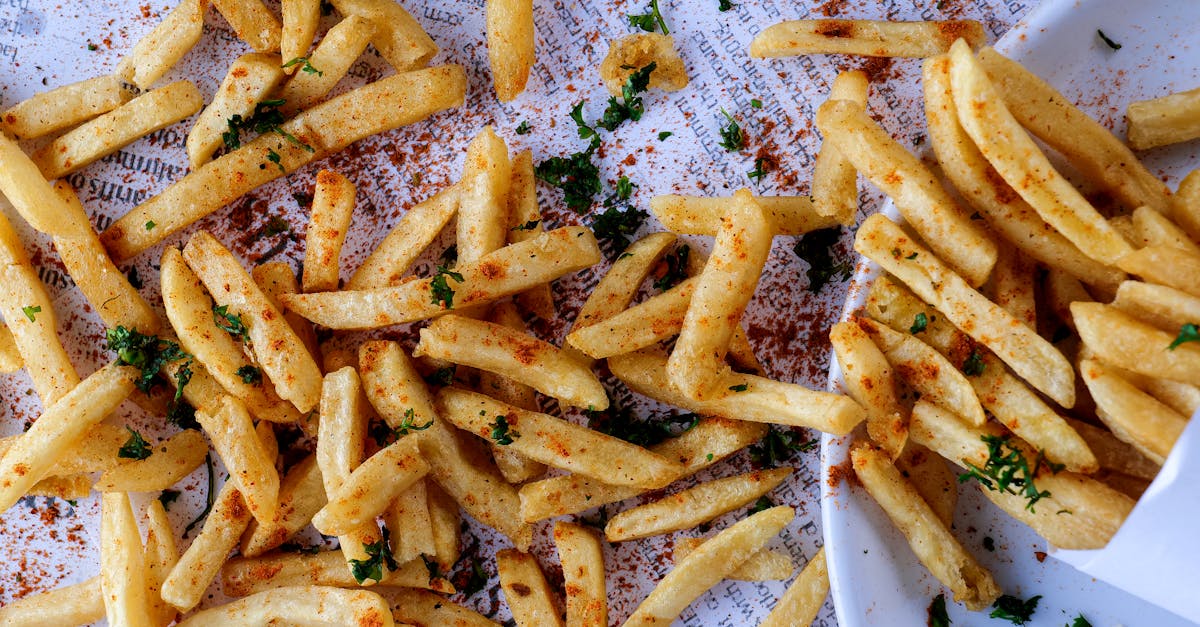
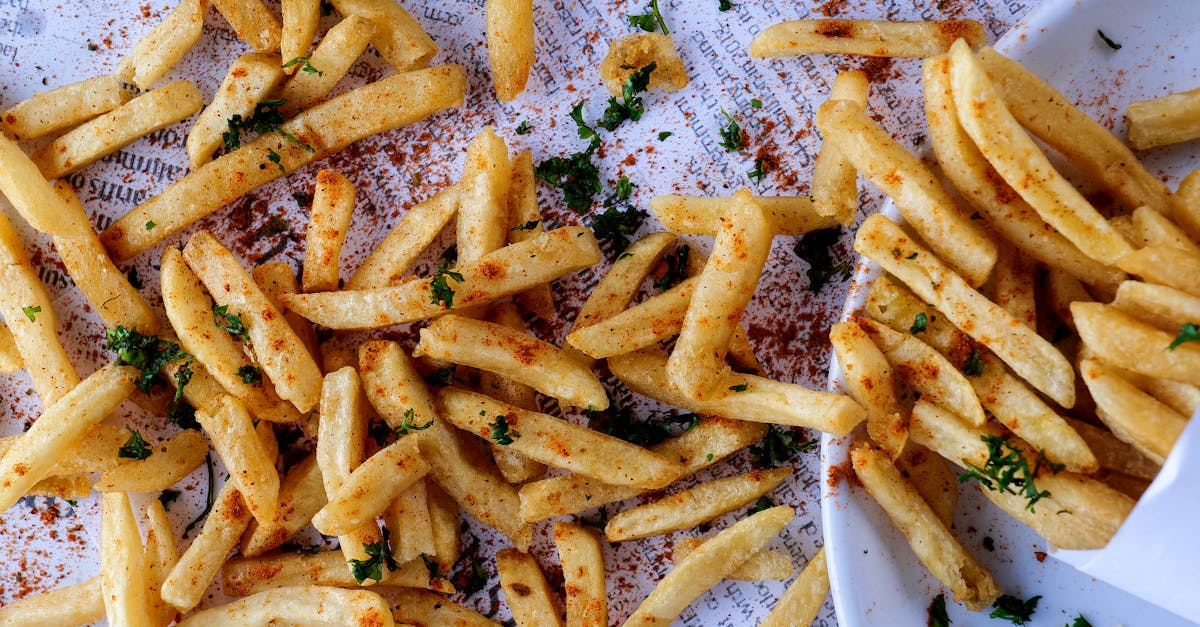
The visual presentation of food can significantly influence perception. Fast-food restaurants invest in plate design and food arrangement to make portions appear larger. By using wide, shallow containers or strategically placing food items, restaurants can create an illusion of abundance, even if the actual quantity is smaller than before.
3. The Combo Meal Illusion
Combo meals are a staple of fast-food menus, often marketed as providing greater value. However, the added sides or drinks sometimes do not compensate for the smaller portion sizes of the main item. Consumers may focus on the perceived value of the entire meal rather than the actual size of the main dish, making them feel satisfied with less food.
4. Ingredient Substitution
Restaurants may substitute cheaper or less voluminous ingredients without notifying customers. For instance, a burger might have less meat or be made with a smaller patty, while the bun and toppings remain the same. This strategy can contribute to a feeling of fullness despite a reduction in the actual protein portion, which is often the main source of satisfaction in a meal.
5. Promotional Pricing Tactics
Limited-time offers and promotional pricing can entice customers to purchase meals that seem like a great deal. However, these promotions often feature smaller sizes or fewer items than regular menu offerings. By focusing on the temporary price reduction, customers might overlook the actual portion size, leading to disappointment when their meal arrives.
6. Misleading Nutritional Information
Fast-food chains frequently highlight the nutritional value of their menu items, but this can be misleading if not contextualized. Listings may emphasize low calories or high protein without clarifying the portion size. Smaller portions might appear healthier on paper, but customers may not realize that they are receiving less food overall, potentially leading to unsatisfactory dining experiences.
7. Menu Positioning and Descriptions
Where and how menu items are placed can also influence customer choices. Items positioned at the top or center of the menu often receive more attention and are perceived as more desirable. Descriptive language that emphasizes freshness or quality can distract from the actual size of the portion. Customers may feel compelled to order these highlighted items, only to find that they are not as substantial as they anticipated.
Consumer Awareness and Strategies
Understanding these tactics is vital for consumers who want to make informed dining choices. By being aware of how fast-food chains can manipulate perceptions of portion sizes, customers can better evaluate their meal options. Additionally, asking for specifics about portion sizes or opting for items that have been consistently sized can help ensure a more satisfying experience.
Conclusion
As fast-food dining continues to be a popular choice for convenience and speed, awareness of these menu tricks is crucial. By recognizing how portion sizes can be masked through upsizing language, creative design, promotional tactics, and misleading descriptions, consumers can make more informed decisions. Ultimately, being aware of these strategies allows diners to enjoy their meals without the disappointment of lower-than-expected portions.

As a mom of three busy boys, I know how chaotic life can get — but I’ve learned that it’s possible to create a beautiful, cozy home even with kids running around. That’s why I started Cultivated Comfort — to share practical tips, simple systems, and a little encouragement for parents like me who want to make their home feel warm, inviting, and effortlessly stylish. Whether it’s managing toy chaos, streamlining everyday routines, or finding little moments of calm, I’m here to help you simplify your space and create a sense of comfort.
But home is just part of the story. I’m also passionate about seeing the world and creating beautiful meals to share with the people I love. Through Cultivated Comfort, I share my journey of balancing motherhood with building a home that feels rich and peaceful — and finding joy in exploring new places and flavors along the way.