

Changes in agricultural practices, climate conditions, and consumer preferences have significantly altered the flavors of several commonly consumed foods. This transformation affects millions of consumers who cherish these items for their original taste. Understanding these changes is crucial as it influences not only our culinary experiences but also our health and nutrition.
1. Tomatoes
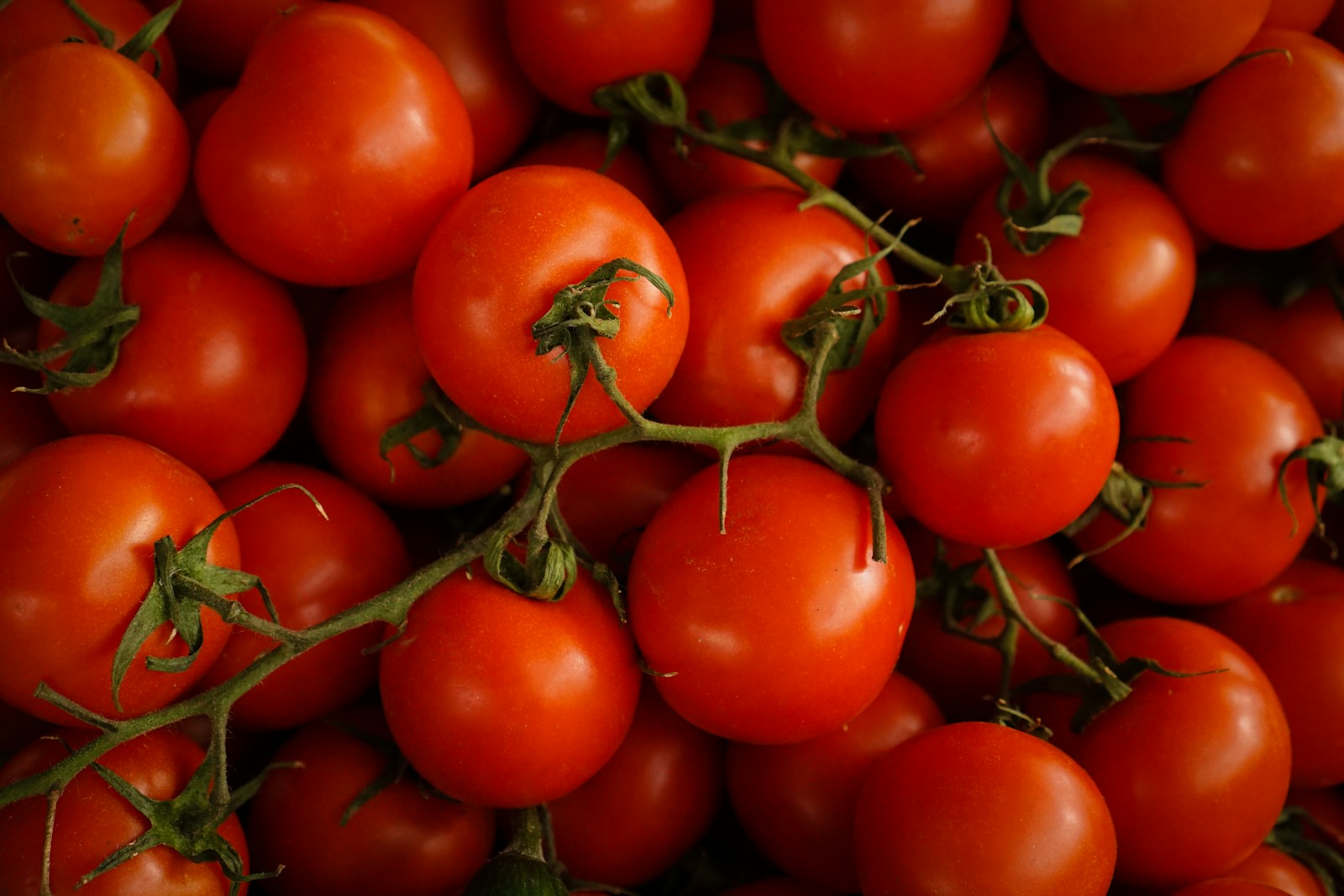
Once celebrated for their rich, tangy flavor, tomatoes have undergone significant changes over the decades. The modern varieties, often bred for durability and shelf life, tend to lack the robust taste that older heirloom varieties offered. Many consumers report that tomatoes have become blander, leading to a widespread longing for the more vibrant flavors of the past.
2. Strawberries
Strawberries, a favorite fruit for many, have also seen a decline in taste quality. The shift towards larger, more visually appealing strawberries has often come at the expense of flavor. Research indicates that the sweetness and aroma, essential components of strawberry flavor, have been diminished as growers focus on size and yield, making the fruit less appealing to those seeking a true strawberry experience.
3. Peppers
Bell peppers, especially, have experienced a notable change in taste over the years. Many consumers describe the current varieties as more watery and less sweet compared to those grown in previous decades. This shift is attributed to selective breeding practices aimed at enhancing shelf life and producing uniformity, which inadvertently sacrifices flavor in the process.
4. Apples
Apples are not immune to this trend either. The once diverse range of apple varieties has dwindled, leading to a homogenized selection that emphasizes sweetness over complexity. Many popular varieties, such as the Red Delicious, are criticized for their mealy texture and lack of flavor, causing a nostalgic yearning for the tart, crisp apples of yesteryear.
5. Bananas
The banana, one of the most consumed fruits worldwide, has undergone significant flavor changes due to agricultural practices and the prevalence of monoculture. The Cavendish banana, which dominates the market today, has less flavor compared to older varieties that were once common. This shift raises concerns about biodiversity and the potential loss of unique tastes as the industry standardizes production.
6. Coffee
The coffee we drink today is also different from what our ancestors enjoyed. The rise of mass-produced coffee beans has led to a focus on consistency and cost-efficiency, often sacrificing the rich, complex flavors found in specialty blends. Many coffee enthusiasts lament the loss of unique regional flavors, which were once celebrated for their distinct notes and aromas.
7. Wheat
Wheat, a staple in many diets, has seen transformations that affect its flavor and nutritional value. Modern wheat varieties, bred for higher yields and disease resistance, often lack the nutty, rich flavor of heirloom strains. This change has implications not only for our taste buds but also for the quality of products made from wheat, such as bread and pasta.
The Importance of Taste
The diminishing flavors of these foods highlight a broader issue regarding agricultural practices and consumer preferences. As consumers become more aware of these changes, there is a growing demand for heirloom varieties and locally grown produce that promise a return to original flavors. This shift could drive agricultural practices back towards biodiversity, which many experts argue is crucial for sustainable food systems.
Consumer Awareness and Action
Shoppers can take action by seeking out farmers’ markets, local farms, and specialty grocery stores that prioritize flavor and quality over standardization. Engaging with local agricultural initiatives, such as community-supported agriculture (CSA) programs, can also help consumers access fresher and tastier food options. By making informed choices, consumers can support biodiversity and the preservation of traditional flavors.
Conclusion
The evolution of food flavors presents both challenges and opportunities for consumers. Recognizing the changes in taste can help people make more informed decisions about what they eat and where it comes from. As the conversation around food quality and taste continues to grow, it is essential for individuals to advocate for practices that prioritize flavor, nutrition, and sustainability.

As a mom of three busy boys, I know how chaotic life can get — but I’ve learned that it’s possible to create a beautiful, cozy home even with kids running around. That’s why I started Cultivated Comfort — to share practical tips, simple systems, and a little encouragement for parents like me who want to make their home feel warm, inviting, and effortlessly stylish. Whether it’s managing toy chaos, streamlining everyday routines, or finding little moments of calm, I’m here to help you simplify your space and create a sense of comfort.
But home is just part of the story. I’m also passionate about seeing the world and creating beautiful meals to share with the people I love. Through Cultivated Comfort, I share my journey of balancing motherhood with building a home that feels rich and peaceful — and finding joy in exploring new places and flavors along the way.