

Recent consumer trends reveal that certain frozen foods, once beloved for their nostalgic flavors and textures, have lost their charm in the pursuit of healthier or more convenient options. As people seek convenience in their busy lives, manufacturers have altered recipes, often sacrificing taste and quality. This shift not only affects consumers’ eating experiences but also highlights the delicate balance between health and flavor in the frozen food aisle.
1. Frozen Pizza
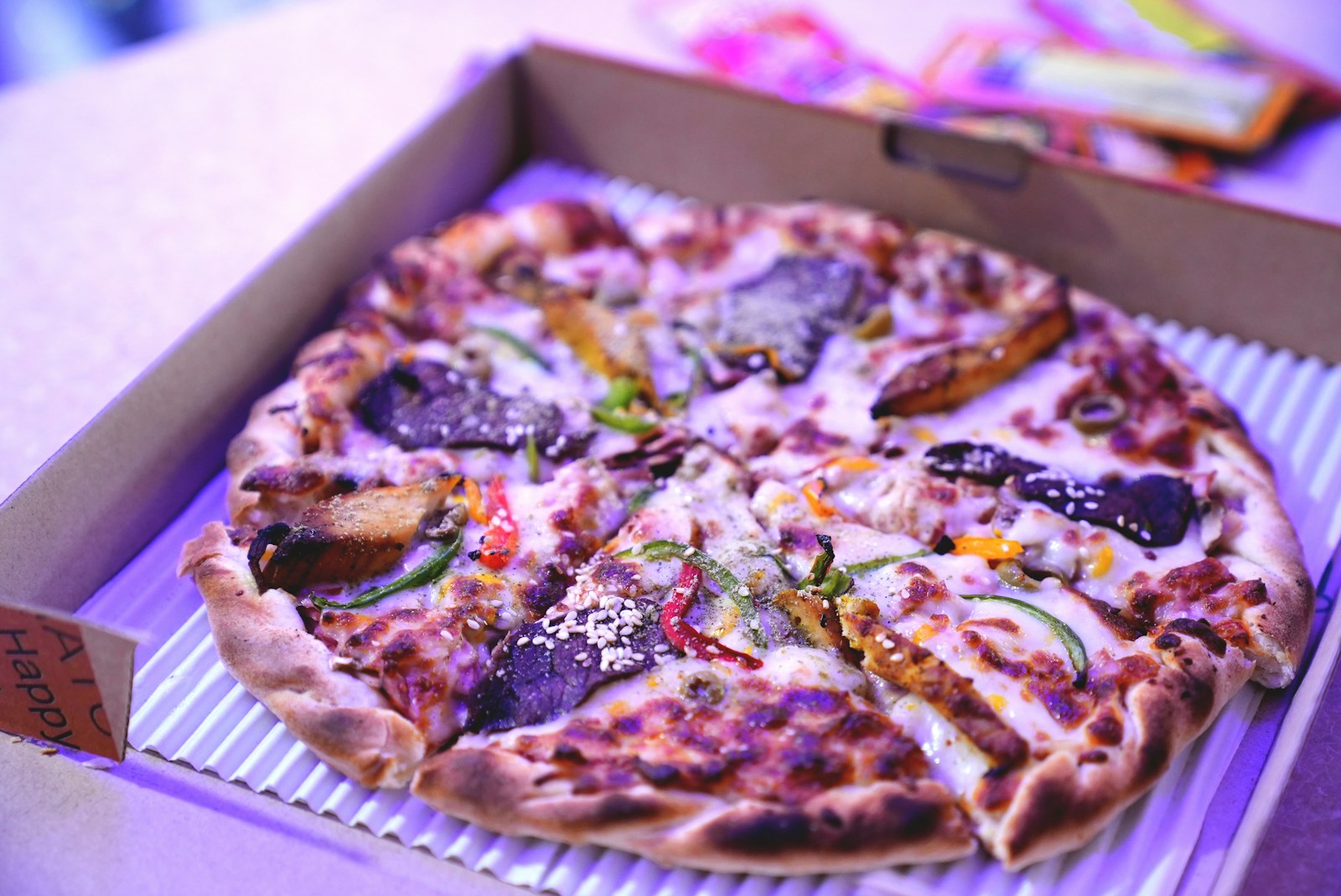
Frozen pizza has long been a staple in many households, especially among college students and busy families. However, many brands have reformulated their recipes to include whole wheat crusts or reduced-fat cheese, which can lead to a less satisfying taste. The classic, greasy pepperoni pizza that once provided comfort and indulgence has been replaced by versions that, while healthier, often lack the rich flavor and satisfying texture that made them appealing in the first place.
2. Ice Cream
The shift towards low-calorie and dairy-free ice cream alternatives has left many fans of the classic dessert feeling disappointed. Brands have introduced products that use artificial sweeteners, which can alter the texture and taste significantly. Traditional ice cream, with its creamy, rich mouthfeel and luscious flavor, has been overshadowed by these newer, health-conscious options that, while well-intentioned, often miss the mark on taste.
3. Frozen Vegetables
Frozen vegetables are a convenient option for many, but recent changes in processing methods have raised concerns about flavor and nutritional value. Some brands have begun blanching vegetables in ways that diminish their natural taste and texture. In the past, frozen vegetables preserved their garden-fresh flavor, making them a popular choice for quick meals. Now, consumers often find themselves adding extra spices or sauces just to make them palatable.
4. Chicken Nuggets
Frozen chicken nuggets are a go-to for parents looking for quick meal solutions. However, many popular brands have reformulated their products to reduce sodium and eliminate artificial ingredients. While this is a positive change in terms of health, the result is often a bland product that lacks the crispy exterior and juicy interior that made them a favorite. The nostalgia associated with biting into a crunchy nugget is increasingly hard to replicate with these altered recipes.
5. Frozen Dinners
Once a reliable option for busy weeknights, frozen dinners have undergone significant changes in recipe formulations. Many companies have shifted towards organic ingredients and smaller portion sizes, aiming to appeal to health-conscious consumers. Unfortunately, this has led to a decline in the hearty flavors and satisfying portions that made these meals popular in the first place. Consumers often find themselves unsatisfied and still hungry after eating what used to be a filling dinner option.
6. Frozen Breakfast Sandwiches
Frozen breakfast sandwiches have become a morning staple for many, but recent iterations focusing on ‘cleaner’ ingredients have changed the landscape. With the removal of traditional breakfast staples like sausage or cheese in favor of turkey or plant-based alternatives, the taste experience has altered considerably. The hearty, savory flavors that once defined these sandwiches have given way to a milder taste that may leave breakfast lovers longing for the originals.
7. Frozen French Fries
Frozen French fries are a side dish that many enjoy, but recent trends have seen a shift towards healthier oil options and reduced salt. This attempt to appeal to health-conscious consumers has resulted in fries that can often taste bland or soggy compared to their predecessors. The crispy, salty fries that used to be a perfect pairing with burgers and sandwiches have become a less satisfying alternative, prompting some consumers to reconsider their frozen fry choices.
Consumer Reactions
As consumers become more aware of the changes in their favorite frozen foods, many are expressing their dissatisfaction. Social media platforms and consumer reviews are filled with comments lamenting the loss of flavor and texture in these products. While health considerations are essential, many believe that taste should not be sacrificed in the process. This feedback may prompt manufacturers to rethink their strategies and consider consumer preferences more carefully.
The Future of Frozen Foods
The frozen food industry is at a crossroads, balancing between health trends and consumer taste preferences. As awareness grows regarding the alteration of beloved products, brands may need to innovate while still retaining the core flavors that made them popular. The challenge lies in creating a new generation of frozen foods that can satisfy both health-conscious eaters and those seeking the nostalgic comfort of traditional flavors.

As a mom of three busy boys, I know how chaotic life can get — but I’ve learned that it’s possible to create a beautiful, cozy home even with kids running around. That’s why I started Cultivated Comfort — to share practical tips, simple systems, and a little encouragement for parents like me who want to make their home feel warm, inviting, and effortlessly stylish. Whether it’s managing toy chaos, streamlining everyday routines, or finding little moments of calm, I’m here to help you simplify your space and create a sense of comfort.
But home is just part of the story. I’m also passionate about seeing the world and creating beautiful meals to share with the people I love. Through Cultivated Comfort, I share my journey of balancing motherhood with building a home that feels rich and peaceful — and finding joy in exploring new places and flavors along the way.