

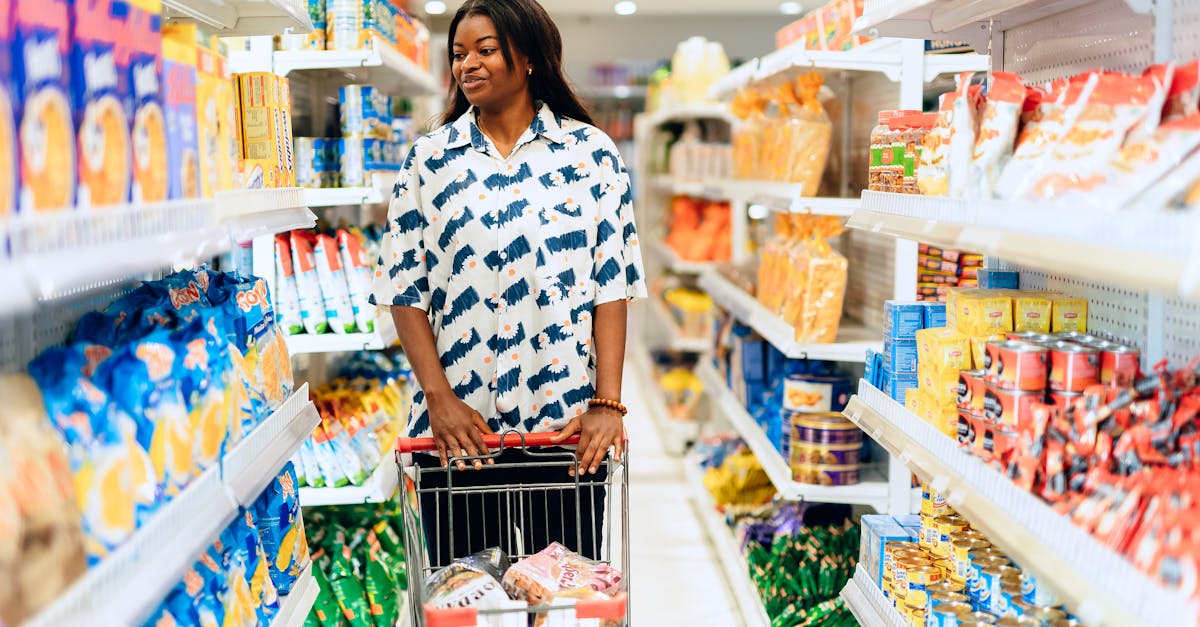

In recent months, consumers across the United States have noticed the disappearance of several beloved grocery items, raising concerns about food supply chains and changing consumer preferences. These staples, once commonplace in many households, have suddenly become scarce or completely unavailable, affecting shoppers’ ability to find their favorite products. This trend is significant as it highlights the ongoing challenges within the food industry and the shifting landscape of what consumers can expect on grocery store shelves.
1. Canned Pumpkin
Canned pumpkin has long been a key ingredient for fall baking and holiday recipes. However, many shoppers have reported difficulty in finding this essential item in stores. The shortage can be attributed to a combination of crop failures in pumpkin-growing regions and increased demand for pumpkin-based products during the pandemic, which has led to a depletion of canned supplies. For many, the absence of canned pumpkin means missing out on classic recipes like pumpkin pie, making this shortage particularly poignant during the holiday season.
2. Classic Macaroni and Cheese
The iconic boxed macaroni and cheese, a staple for quick meals, has also seen a decline in availability. Popular brands that once filled grocery aisles have either reduced production or faced distribution issues. The pandemic-induced supply chain disruptions, coupled with a surge in demand for comfort foods, have contributed to this situation. Families relying on this easy meal option are now scrambling to find alternatives, which can be frustrating, especially for those with limited cooking time.
3. Italian Pasta Varieties
Various types of Italian pasta, from fusilli to penne, have also gone missing from many grocery stores. The shortage stems from both increased demand during lockdowns and ongoing shipping delays affecting imports from Italy, a key supplier. As consumers seek to recreate restaurant experiences at home, the lack of diverse pasta shapes can limit meal creativity and leave shoppers feeling disappointed. The disappearance of these pantry staples is a reminder of how interconnected the global food system is.
4. Plant-Based Meats
The rise in popularity of plant-based meats has led to a surprising scarcity of some well-known brands. As more consumers opt for vegetarian and vegan diets, demand has outpaced production capabilities, resulting in empty shelves where these products once thrived. Many shoppers are now facing challenges in finding their preferred meat substitutes, which can complicate meal planning for those trying to reduce their meat consumption. The situation underscores the food industry’s struggle to keep up with changing dietary preferences.
5. Specialty Snacks
Specialty snacks, including gourmet chips and unique flavor combinations, have quietly disappeared from many grocery aisles. This trend is linked to supply chain issues and the increased costs of ingredients, which have made it difficult for smaller brands to maintain stock. Snack enthusiasts are feeling the impact as they search for their favorite treats, often settling for less exciting options. The lack of variety not only affects consumer satisfaction but also highlights the challenges faced by niche food producers.
6. Frozen Dinners
Frozen dinners, once a convenient option for busy households, are becoming harder to find. The pandemic led to a surge in demand for frozen meals, but production has struggled to keep pace due to labor shortages and supply chain complications. As families increasingly rely on prepared meals, the scarcity of frozen options is concerning for those looking for quick meal solutions. This shift may also impact consumer habits, as people may need to adjust their meal planning strategies.
7. Breakfast Cereals
Breakfast cereals, a cornerstone of many American diets, have also experienced significant shortages. Popular brands have faced production delays due to ingredient shortages and shipping disruptions. As a result, many consumers are encountering empty shelves where their go-to cereals used to be. This situation serves as a reminder of the vulnerabilities within the food supply chain and how quickly consumer staples can become difficult to obtain.
Conclusion
The disappearance of these grocery aisle favorites reflects broader issues affecting the food supply chain, consumer preferences, and production capacities. As shoppers navigate the challenges of finding their favorite items, it becomes increasingly important to remain adaptable and open to new alternatives. This ongoing situation highlights the need for both consumers and producers to remain vigilant and proactive in addressing the shifting dynamics of the grocery market. As the food industry continues to adapt, it remains to be seen how these changes will shape future shopping experiences.

As a mom of three busy boys, I know how chaotic life can get — but I’ve learned that it’s possible to create a beautiful, cozy home even with kids running around. That’s why I started Cultivated Comfort — to share practical tips, simple systems, and a little encouragement for parents like me who want to make their home feel warm, inviting, and effortlessly stylish. Whether it’s managing toy chaos, streamlining everyday routines, or finding little moments of calm, I’m here to help you simplify your space and create a sense of comfort.
But home is just part of the story. I’m also passionate about seeing the world and creating beautiful meals to share with the people I love. Through Cultivated Comfort, I share my journey of balancing motherhood with building a home that feels rich and peaceful — and finding joy in exploring new places and flavors along the way.

