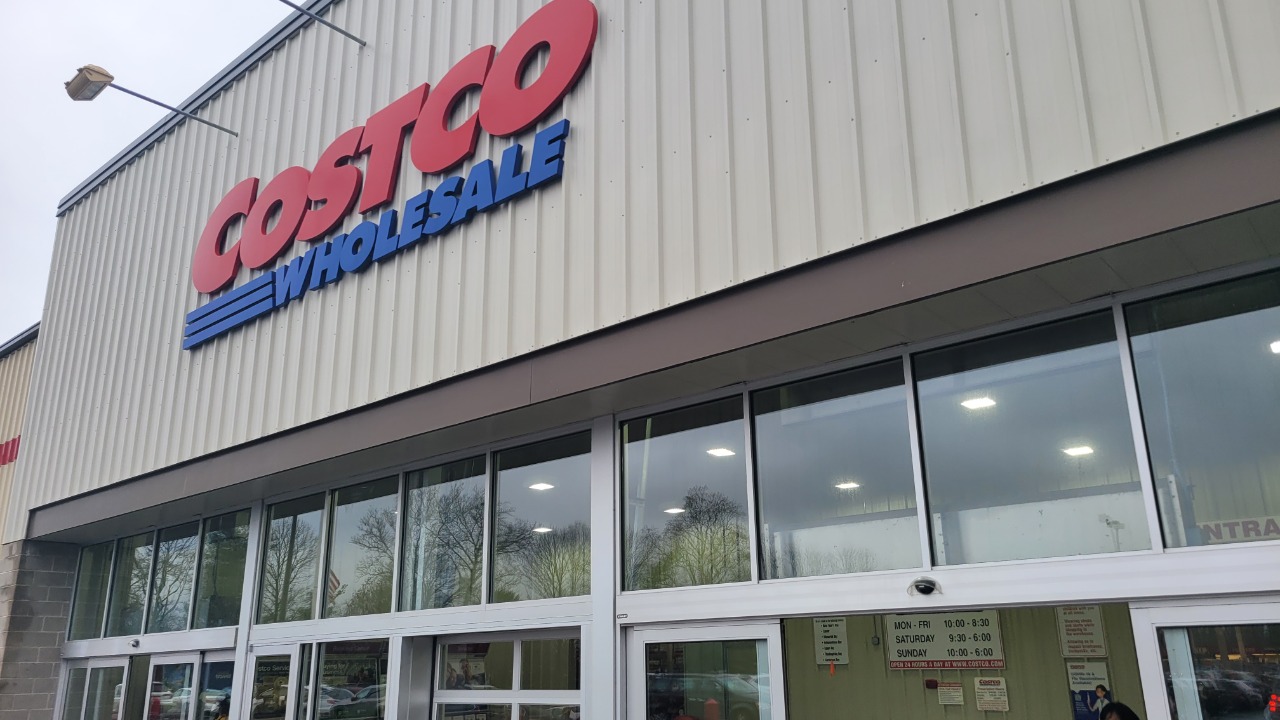
In a rapidly changing grocery market, seven grocery store brands have emerged as strong competitors against well-established name brands, offering quality products at lower prices. This shift affects consumers, who are increasingly seeking value without compromising on quality, as well as larger brands that have dominated the market for decades. With rising inflation and economic pressures, shoppers are more discerning than ever about where they spend their money.
The Rise of Private Labels
Over the past few years, private label brands—products sold under a retailer’s brand name—have gained significant traction. Retailers like Costco, Trader Joe’s, and Aldi have successfully positioned their private labels as high-quality alternatives to name brands. These brands often provide similar, if not superior, quality at a fraction of the price, which has made them appealing to budget-conscious consumers.
1. Costco’s Kirkland Signature
Costco’s Kirkland Signature brand has become synonymous with quality and value. Known for its extensive range of products—from organic foods to household essentials—Kirkland often matches or surpasses the quality of name brands. For example, its organic olive oil has been rated highly in taste tests, even outperforming premium brands, all while being sold at a much lower price point.
2. Aldi’s Simply Nature and Specially Selected
Aldi has made significant inroads into the grocery market with its Simply Nature and Specially Selected lines. These products focus on organic and gourmet offerings, respectively. Aldi’s commitment to transparency and quality has resonated with consumers, particularly those who prioritize health-conscious choices, making them less likely to opt for more expensive name brands.
3. Trader Joe’s Private Label Products
Trader Joe’s is a pioneer in the private label movement, with nearly all of its products under its brand. Shoppers flock to the store for unique offerings like Mandarin Orange Chicken and Everything But the Bagel Seasoning, which have garnered a cult following. The combination of distinctive products and competitive pricing has allowed Trader Joe’s to carve out a loyal customer base that often views its offerings as superior to name brands.
4. Walmart’s Great Value Line
Walmart’s Great Value brand is another formidable player in the private label space. Offering a vast array of products, from snacks to cleaning supplies, Great Value is designed to meet the needs of everyday consumers. Price-sensitive shoppers can save significantly without sacrificing quality, as many Great Value products receive favorable reviews that compare them to name brands.
5. Publix’s GreenWise Collection
In the Southeastern United States, Publix’s GreenWise brand has made a name for itself with premium organic and natural products. The brand is dedicated to sustainability and high-quality ingredients, often competing directly with higher-priced organic name brands. Customers have responded positively, appreciating the balance of quality and price, which has helped GreenWise gain a loyal following.
6. Kroger’s Private Selection
Kroger’s Private Selection line offers gourmet foods that frequently rival more expensive name brands. With a focus on quality and taste, Kroger has curated a selection that includes unique flavors and premium ingredients. This strategic positioning has allowed Kroger to attract shoppers looking for specialty items without the high price tag typically associated with gourmet products.
7. Target’s Good & Gather
Target’s Good & Gather brand has quickly become a favorite among consumers, offering a wide range of grocery items, from dairy to snacks. The brand focuses on high-quality ingredients at affordable prices, appealing to families and health-conscious shoppers alike. Its emphasis on fresh produce and organic options has allowed Good & Gather to compete effectively with name brands while maintaining consumer trust.
Consumer Impact and Future Trends
The rise of these grocery store brands reflects broader trends in consumer behavior. With the cost of living on the rise, shoppers are increasingly looking for ways to save money without compromising on quality. As a result, name brands may need to rethink their strategies, focusing more on value and transparency to retain customer loyalty.
Additionally, the success of private labels may encourage even more retailers to develop their own brands, leading to increased competition in the grocery sector. This could further benefit consumers, as it may drive prices down and improve product quality across the board.

As a mom of three busy boys, I know how chaotic life can get — but I’ve learned that it’s possible to create a beautiful, cozy home even with kids running around. That’s why I started Cultivated Comfort — to share practical tips, simple systems, and a little encouragement for parents like me who want to make their home feel warm, inviting, and effortlessly stylish. Whether it’s managing toy chaos, streamlining everyday routines, or finding little moments of calm, I’m here to help you simplify your space and create a sense of comfort.
But home is just part of the story. I’m also passionate about seeing the world and creating beautiful meals to share with the people I love. Through Cultivated Comfort, I share my journey of balancing motherhood with building a home that feels rich and peaceful — and finding joy in exploring new places and flavors along the way.