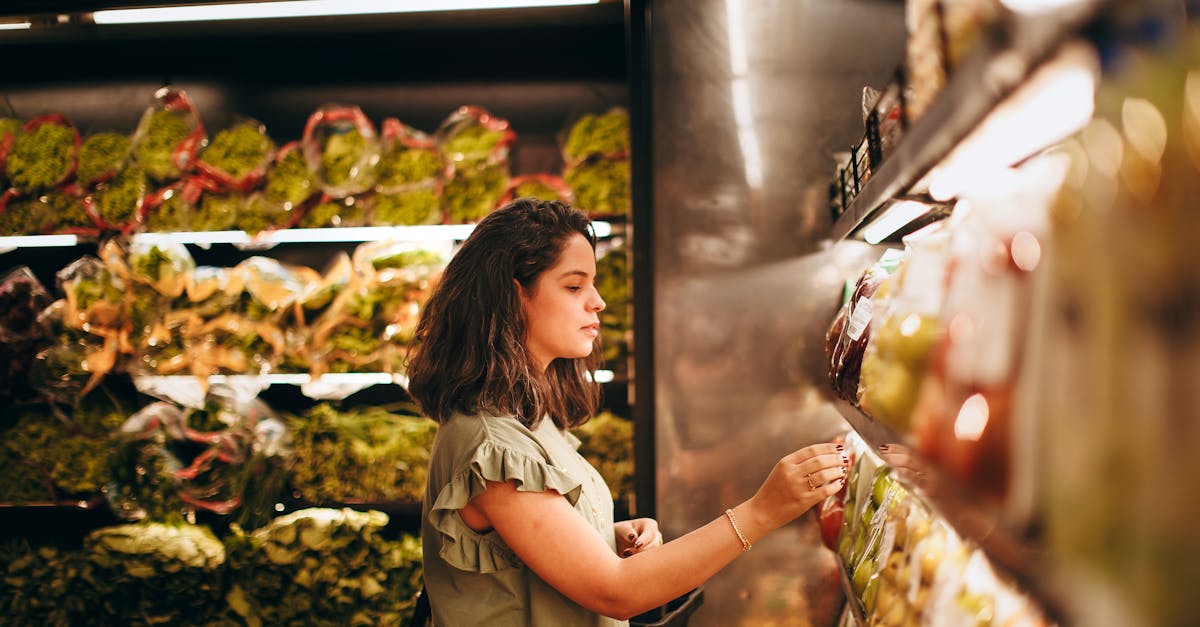

As consumer habits evolve, many grocery store sections are increasingly becoming obsolete, leading shoppers to question their relevance. This trend is impacting how stores are organized and how customers experience their shopping trips. With changing dietary preferences, online shopping, and a push for convenience, several sections of the grocery store may no longer serve their intended purpose.
1. Canned Vegetables
Canned vegetables have long occupied a prominent space in grocery stores, but their popularity is waning. As fresh produce becomes more accessible and frozen vegetables offer better nutritional value, shoppers are opting for these alternatives. The shift towards healthier eating and meal prep has led to a decline in canned vegetable sales, raising questions about the future of this aisle.
2. Traditional Snack Aisles
Snack aisles filled with chips, pretzels, and sugary treats are facing increased scrutiny as health-conscious consumers seek healthier alternatives. Many shoppers are now looking for snacks that are low in sugar, high in protein, or made with whole ingredients. Grocery stores are responding by expanding sections for healthier snacks, which may soon make the traditional snack aisle a relic of the past.
3. Dairy Alternatives
The dairy section is undergoing a significant transformation, largely due to the rise of lactose intolerance awareness and the popularity of plant-based diets. Almond, oat, and soy milks have surged in popularity, prompting stores to allocate more shelf space to these alternatives. As traditional dairy products see a decline in consumption, the conventional dairy section may need to adapt or risk becoming irrelevant.
4. Greeting Cards
Once a staple in grocery stores, the greeting card section is witnessing a downturn as digital communication becomes the norm. Consumers are increasingly opting for e-cards or quick text messages over physical cards, leading many stores to reduce the amount of space dedicated to this section. This change reflects broader trends in how people celebrate special occasions and communicate with loved ones.
5. Traditional Checkout Lines
Traditional checkout lines are becoming an outdated concept as self-checkout kiosks and online grocery shopping gain traction. Many shoppers prefer the convenience of scanning their items themselves or placing orders online for delivery or pickup. As grocery stores adapt to this trend, the conventional checkout experience may soon feel like a thing of the past.
6. Frozen Dinners
While frozen dinners were once a go-to option for busy families, they are now facing fierce competition from fresh meal kits and healthier options. As consumers become more health-conscious, many are steering clear of frozen meals that are often high in salt and preservatives. The shrinking demand for frozen dinners is forcing grocery stores to reconsider how they display and market these products.
7. Non-Essential Seasonal Items
Seasonal sections filled with novelty items, such as holiday decorations or themed kitchenware, are being reevaluated as shoppers prioritize essential goods. Many consumers are now looking for practical items that offer value rather than impulse purchases. This shift means that grocery stores may need to rethink their seasonal displays to better align with current consumer priorities.
Looking Forward
As consumer preferences continue to evolve, grocery stores will need to adapt to remain relevant. The decline of certain sections is not just a reflection of changing tastes but also a response to a broader cultural shift towards health and convenience. Retailers are starting to recognize that catering to modern shopping habits is essential for survival.
In response to these changes, grocery stores are investing in new technologies, adjusting their product offerings, and reconsidering their layouts. By eliminating or repurposing sections that no longer resonate with consumers, stores can create a more efficient and enjoyable shopping experience. The future of grocery shopping will likely be shaped by these changes, making it essential for retailers to stay ahead of the curve.
Ultimately, the grocery store of tomorrow may look very different from what we know today. As sections that no longer serve their purpose are phased out, consumers can expect a more streamlined, health-focused shopping experience. As we move forward, it will be interesting to see how grocery stores evolve to meet the needs of their customers.

As a mom of three busy boys, I know how chaotic life can get — but I’ve learned that it’s possible to create a beautiful, cozy home even with kids running around. That’s why I started Cultivated Comfort — to share practical tips, simple systems, and a little encouragement for parents like me who want to make their home feel warm, inviting, and effortlessly stylish. Whether it’s managing toy chaos, streamlining everyday routines, or finding little moments of calm, I’m here to help you simplify your space and create a sense of comfort.
But home is just part of the story. I’m also passionate about seeing the world and creating beautiful meals to share with the people I love. Through Cultivated Comfort, I share my journey of balancing motherhood with building a home that feels rich and peaceful — and finding joy in exploring new places and flavors along the way.