

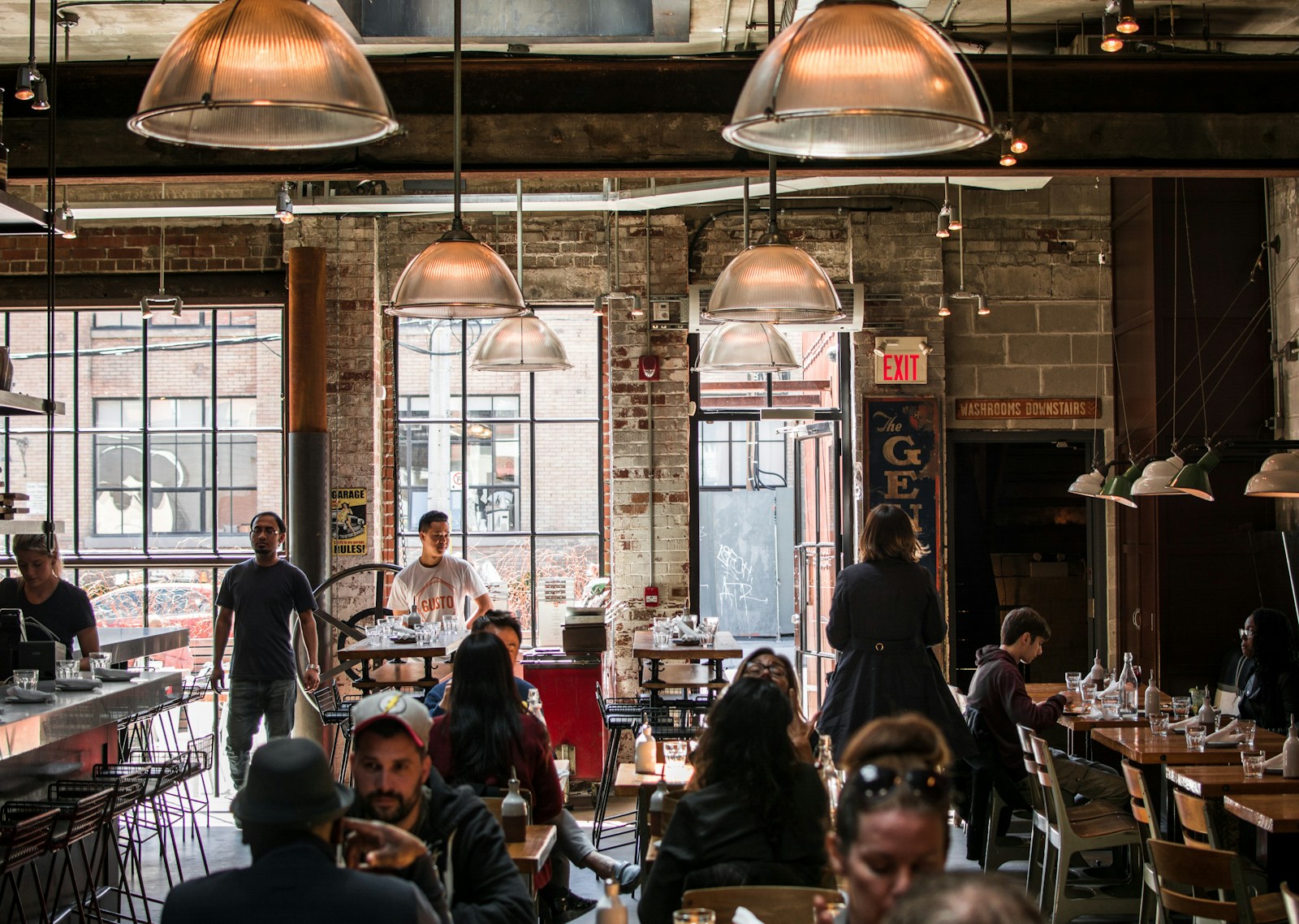
Once beloved by families and communities across America, several restaurant chains have seen their reputations decline over the years, transitioning from iconic dining destinations to average establishments. This shift affects not only nostalgic patrons but also the broader landscape of the restaurant industry, highlighting the challenges of maintaining relevance in a rapidly changing market. Here, we explore seven restaurant chains that once defined American dining but have struggled to keep their former glory.
1. TGI Fridays
Launched in 1965, TGI Fridays quickly became famous for its vibrant atmosphere and signature Jack Daniel’s glaze. The chain was a pioneer in casual dining, attracting young adults with its lively bars and innovative cocktails. However, in recent years, TGI Fridays has faced stiff competition from newer dining concepts and changing consumer preferences, leading to a decline in foot traffic and overall sales. While the chain still has its loyal customers, it has struggled to reinvent itself in a market that increasingly favors more unique and health-conscious dining options.
2. Ruby Tuesday
Founded in 1972, Ruby Tuesday gained a reputation for its extensive salad bar and relaxed ambiance. At its peak, the chain boasted over 900 locations across the U.S. However, in the past decade, Ruby Tuesday has endured significant financial losses, resulting in the closure of nearly half its restaurants. Attempts to revamp its menu and enhance the dining experience have not resonated with consumers, leading many to view the chain as a relic of the past rather than a modern dining choice.
3. Perkins Restaurant & Bakery
Perkins, a staple in American diners since 1958, was known for its comforting meals and freshly baked goods. The chain thrived on its family-friendly appeal and 24-hour service, making it a go-to for late-night cravings. Nonetheless, changing eating habits and the rise of fast-casual dining have led Perkins to lose its competitive edge. Although still operational, the chain struggles to attract younger customers, who often seek faster, trendier dining options.
4. Sizzler
Once a popular choice for steak and seafood, Sizzler was a favorite among families looking for a hearty meal at an affordable price. Established in 1958, the chain thrived during the buffet boom of the 1980s and 1990s. However, as consumer preferences shifted toward healthier dining options and more diverse cuisine, Sizzler’s appeal waned. Today, the chain operates far fewer locations and often gets overshadowed by competitors that offer more innovative menus and dining experiences.
5. Bennigan’s
Bennigan’s rose to fame in the 1980s and 1990s with its Irish pub-inspired atmosphere and casual dining offerings. Its unique menu and friendly service made it a beloved spot for gatherings. However, the chain filed for bankruptcy in 2008 and has struggled to regain its footing since then. Although a few locations have reopened, the brand has failed to capture the imagination of a new generation, relegating it to average status in a crowded marketplace.
6. Shoney’s
Shoney’s has been a fixture in the Southern dining scene since 1947, known for its breakfast offerings and family-friendly vibe. At one point, the chain boasted over 1,000 locations. However, as the fast-casual dining trend took off, Shoney’s found itself in a difficult position. With fewer locations and an outdated menu, the chain has struggled to attract younger diners, leading many to view it as a nostalgic but less appealing option.
7. Boston Market
Boston Market, founded in 1985, became synonymous with rotisserie chicken and home-style meals, quickly gaining a loyal customer base. The chain thrived during the late 1990s, with nearly 1,200 locations nationwide. However, overexpansion and changing consumer preferences for healthier food options have forced Boston Market to close many locations and rethink its menu. Although it remains a recognizable brand, it now competes in a landscape dominated by fast-casual concepts that offer fresher and more diverse choices.
Conclusion
The decline of these iconic restaurant chains serves as a reminder of the challenges faced by established brands in an ever-evolving marketplace. As consumer preferences shift and new dining concepts emerge, many chains struggle to adapt and remain relevant. While nostalgia will always hold a place in the hearts of former patrons, these restaurants must find innovative ways to reconnect with customers or risk becoming mere memories in the rich tapestry of American dining history.

As a mom of three busy boys, I know how chaotic life can get — but I’ve learned that it’s possible to create a beautiful, cozy home even with kids running around. That’s why I started Cultivated Comfort — to share practical tips, simple systems, and a little encouragement for parents like me who want to make their home feel warm, inviting, and effortlessly stylish. Whether it’s managing toy chaos, streamlining everyday routines, or finding little moments of calm, I’m here to help you simplify your space and create a sense of comfort.
But home is just part of the story. I’m also passionate about seeing the world and creating beautiful meals to share with the people I love. Through Cultivated Comfort, I share my journey of balancing motherhood with building a home that feels rich and peaceful — and finding joy in exploring new places and flavors along the way.
