

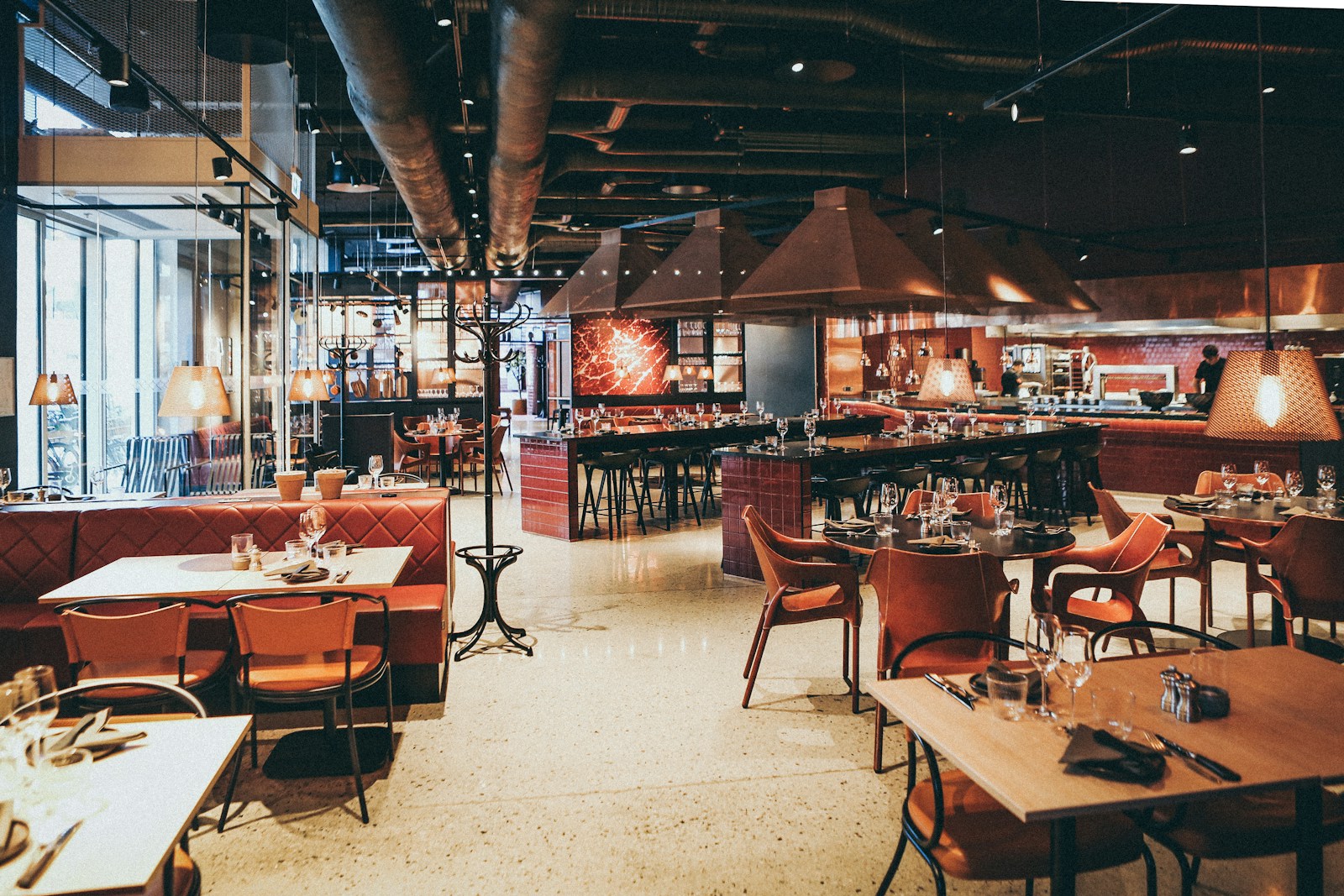
Recent studies have identified specific behaviors exhibited by diners in restaurants that may reveal underlying insecurities, affecting not only individual experiences but also the atmosphere of dining establishments. Understanding these behaviors can offer insights into social dynamics and improve interactions among patrons. Here are seven behaviors that often signal hidden insecurity in restaurant settings.
1. Overly Complicated Orders
Individuals who place overly complicated orders often exhibit signs of insecurity, striving to stand out or impress their dining companions. This behavior can manifest as an excessive number of modifications to menu items, such as requesting multiple substitutions or adjustments. These changes may not only inconvenience the staff but also draw attention to the individual’s desire for control in a social setting.
2. Excessive Complaining
Frequent complaints about food, service, or ambiance can indicate deeper insecurities. Diners who consistently voice dissatisfaction may be attempting to project an air of superiority or to gain sympathy from others. This behavior can create a negative environment, affecting not only the individual but also fellow diners and restaurant staff.
3. Attention-Seeking Behavior
Some patrons engage in attention-seeking behaviors, such as loud conversations or disruptive antics, which can stem from feelings of inadequacy. By drawing attention to themselves, they may be attempting to mask their insecurities. This can detract from the overall dining experience for others and may lead to tension between tables or even with waitstaff.
4. Reluctance to Share Food
A reluctance to share food can signify insecurity, particularly in group settings. Diners who hoard their meals or refuse to let others sample their dishes may be expressing a fear of vulnerability. Sharing food is often seen as an act of camaraderie, and those hesitant to do so might struggle with feelings of inadequacy about their choices or the quality of their meals.
5. Overindulgence in Alcohol
While enjoying a drink can be a normal part of dining out, excessive consumption of alcohol may indicate insecurity, especially if it leads to erratic behavior. Diners may use alcohol as a social lubricant, trying to alleviate anxiety or to fit in with their companions. This behavior can lead to impaired judgment and may impact the overall experience for others at the table.
6. Obsessive Social Media Sharing
In today’s digital age, many diners feel compelled to share their meals on social media platforms. However, those who obsessively document every aspect of their dining experience may be attempting to project an idealized image of themselves. This behavior often stems from insecurity about their social status or desirability, leading to a focus on appearances rather than genuine enjoyment of the meal.
7. Avoiding Eye Contact with Staff
Patrons who avoid eye contact with restaurant staff may be expressing insecurity about their status or social skills. This behavior can create a barrier in interactions, leading to misunderstandings or a lack of communication regarding orders and needs. These diners may fear judgment or rejection, which can hinder their overall dining experience.
Understanding the Impact of Insecurity
Identifying these behaviors can help both diners and restaurant staff navigate social interactions more effectively. For diners, recognizing their own insecurities may lead to a more enjoyable and relaxed dining experience. For restaurant staff, understanding these behaviors can foster a more empathetic approach, enhancing customer service and creating a positive environment.
Encouraging Positive Dining Experiences
Restaurants can play a pivotal role in mitigating the effects of insecurity among diners. Training staff to recognize these behaviors and respond with empathy can lead to improved interactions. Additionally, creating a welcoming atmosphere that encourages positive social engagement may help diners feel more at ease.
Ultimately, addressing hidden insecurities in restaurant settings can enhance the overall dining experience for everyone involved. By understanding and acknowledging these behaviors, diners can foster healthier social interactions, while restaurant staff can contribute to a more harmonious environment.
As the dining landscape continues to evolve, awareness of these dynamics will be crucial for both patrons and proprietors. By prioritizing understanding and empathy, we can all contribute to a more enjoyable and fulfilling restaurant experience.

As a mom of three busy boys, I know how chaotic life can get — but I’ve learned that it’s possible to create a beautiful, cozy home even with kids running around. That’s why I started Cultivated Comfort — to share practical tips, simple systems, and a little encouragement for parents like me who want to make their home feel warm, inviting, and effortlessly stylish. Whether it’s managing toy chaos, streamlining everyday routines, or finding little moments of calm, I’m here to help you simplify your space and create a sense of comfort.
But home is just part of the story. I’m also passionate about seeing the world and creating beautiful meals to share with the people I love. Through Cultivated Comfort, I share my journey of balancing motherhood with building a home that feels rich and peaceful — and finding joy in exploring new places and flavors along the way.
