As societal norms evolve, many behaviors and practices that were once considered acceptable have now come under scrutiny and are labeled as “problematic.” This shift affects various aspects of daily life, from workplace interactions to consumer habits, and reflects a growing awareness of inclusivity, mental health, and social responsibility. Understanding these changes is crucial in navigating today’s cultural landscape.
1. Casual Use of Slurs
In previous decades, the casual use of slurs or derogatory language among friends or in popular media was often brushed off as humor or harmless banter. However, there is now a heightened awareness of the impact that such language can have on marginalized groups. As society increasingly recognizes the importance of respect and empathy, using slurs can lead to significant backlash and is often considered unacceptable in both personal and professional settings.
2. Gendered Language in the Workplace
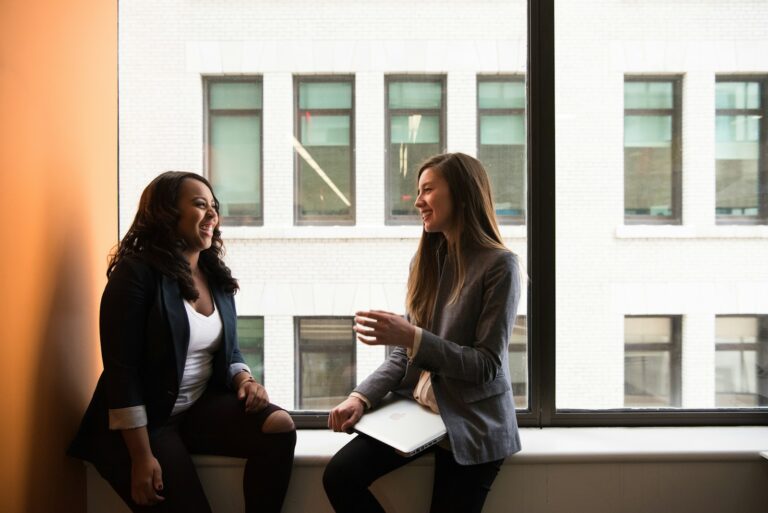
Terms like “mankind,” “manpower,” and “chairman” were once standard in business vernacular, but the push for gender-neutral language has made these phrases problematic. Many organizations are adopting inclusive language policies to promote gender equality and avoid alienating employees. This shift reflects a broader commitment to creating a more equitable workplace, signaling that language matters deeply in fostering respect and inclusivity.
3. Ignoring Mental Health
Historically, mental health issues were often stigmatized, with many people advised to “tough it out” or “just get over it.” This attitude has changed dramatically in recent years, as mental health awareness has gained traction. Ignoring signs of mental distress is now seen as problematic, and there is a growing expectation for individuals and employers to prioritize mental well-being, offering support and resources to those in need.
4. Cultural Appropriation
Cultural exchange has always been part of human history, but the line between appreciation and appropriation has become more pronounced. Practices like wearing clothing from different cultures or adopting hairstyles can be seen as disrespectful when they ignore the cultural significance behind them. This has led to increased discussions about respect and understanding, urging individuals to be mindful of the origins and meanings of cultural elements they engage with.
5. Overconsumption and Waste
In an era marked by consumerism, practices like excessive shopping and wastefulness were once viewed as normal behaviors. However, with rising awareness of environmental issues and sustainability, these habits are increasingly criticized. Many consumers are now encouraged to adopt more sustainable practices, such as recycling, repurposing, and supporting eco-friendly brands, reflecting a collective desire to mitigate climate change and reduce human impact on the planet.
6. Non-Consent in Relationships
What once might have been dismissed as “just flirting” or “playing hard to get” is now recognized as problematic behavior when it comes to consent in relationships. The #MeToo movement has brought significant attention to the importance of clear and affirmative consent, reshaping how individuals approach romantic and social interactions. This shift emphasizes the need for mutual respect and communication, making consent an essential part of any relationship.
7. Stereotyping in Media
Media representations of various groups — including racial minorities, women, and LGBTQ+ individuals — have long relied on stereotypes for storytelling convenience. However, this practice is increasingly viewed as harmful and reductive. As audiences demand more accurate and diverse portrayals, many creators are striving to depict characters and narratives that reflect the complexity of real-life experiences, leading to a more inclusive media landscape.
Conclusion
The ways in which we communicate, interact, and engage with one another are continually evolving. While some behaviors that were once commonplace may now be viewed as problematic, these changes reflect a broader societal trend toward greater empathy, understanding, and inclusivity. As we navigate this shifting landscape, awareness and willingness to adapt will be key in fostering a more respectful and equitable society.

As a mom of three busy boys, I know how chaotic life can get — but I’ve learned that it’s possible to create a beautiful, cozy home even with kids running around. That’s why I started Cultivated Comfort — to share practical tips, simple systems, and a little encouragement for parents like me who want to make their home feel warm, inviting, and effortlessly stylish. Whether it’s managing toy chaos, streamlining everyday routines, or finding little moments of calm, I’m here to help you simplify your space and create a sense of comfort.
But home is just part of the story. I’m also passionate about seeing the world and creating beautiful meals to share with the people I love. Through Cultivated Comfort, I share my journey of balancing motherhood with building a home that feels rich and peaceful — and finding joy in exploring new places and flavors along the way.