You probably remember clamoring for certain toys and feeling like they were just part of the fun — but many of those must-haves doubled as marketing machines that shaped tastes, loyalties, and even values. This article shows how familiar playthings from the ’90s quietly pushed messages and pushed franchises, so you can spot the clever lines between childhood joy and strategic persuasion.
Flip through these examples and you’ll recognize the toys themselves while uncovering why they mattered beyond playtime — from action figures tied to TV plots to playsets that sold whole story worlds. Expect crisp, nostalgic takes that connect the toys you loved to the campaigns that sold them.
G.I. Joe Action Figures
You probably remember G.I. Joe as the team that taught kids to cheer for an American military fantasy. The toys came with mission briefings and villains, nudging a black-and-white view of geopolitics.
Packaging and marketing framed conflict as heroic and simple. YoJoe’s archive catalogs many figures and cardbacks if you want to see how narratives were built: https://www.yojoe.com/action/all/
Power Rangers Megazord Toys
You remember lining up the Dinozords to form the Megazord and feeling unstoppable. The toys pushed a clear message: teamwork and larger-than-life machines solve problems, encouraging kids to equate cooperation with power.
They marketed collectibility—buy all five Zords to complete the set—which nudged you toward repeated purchases. Vintage listings still show demand, like this eBay selection for Megazord toys (https://www.ebay.com/sch/i.html?_nkw=power+rangers+megazord+toys&_sop=12).
Batman: The Animated Series Figures
You probably had one of these if you watched the show, and they felt cooler than typical toys. Kenner’s line captured the series’ style, pushing collectibility and brand loyalty among kids and adult fans alike.
Those toys nudged you toward buying more characters and playsets to recreate episodes. Checklists and collector sites still track the full lineup, showing how the line became a small marketing machine.
Find vintage pieces and modern reissues on marketplaces and fan checklists like the Batman Animated Series checklist.
Teenage Mutant Ninja Turtles Playsets
You probably had a sewer lair or skateboard ramp that felt like the center of operations. Those playsets pushed toy-driven stories where danger always came from outside and the Turtles’ mission was to fight and defend.
Owning the playset meant collecting accessories and figures. You learned to link playtime with brand messages about teamwork, heroism, and constant vigilance.
Find modern and vintage options like the classic lairs on retailers such as eBay’s TMNT playsets collection.
Star Wars Episode I Action Figures
You remember the 1999 Episode I figures flooding stores and fan events, each tied to the movie’s hype and merchandising push. Many characters came with flashy packaging and backstories that nudged you toward buying every variant.
The line pushed nostalgia and a new generation at once, steering kids toward a specific vision of Star Wars. For details on the original releases and lineups, see the Episode I toyline overview (https://swmerchandise.fandom.com/wiki/Episode_I_(toyline)).
X-Men Action Figures
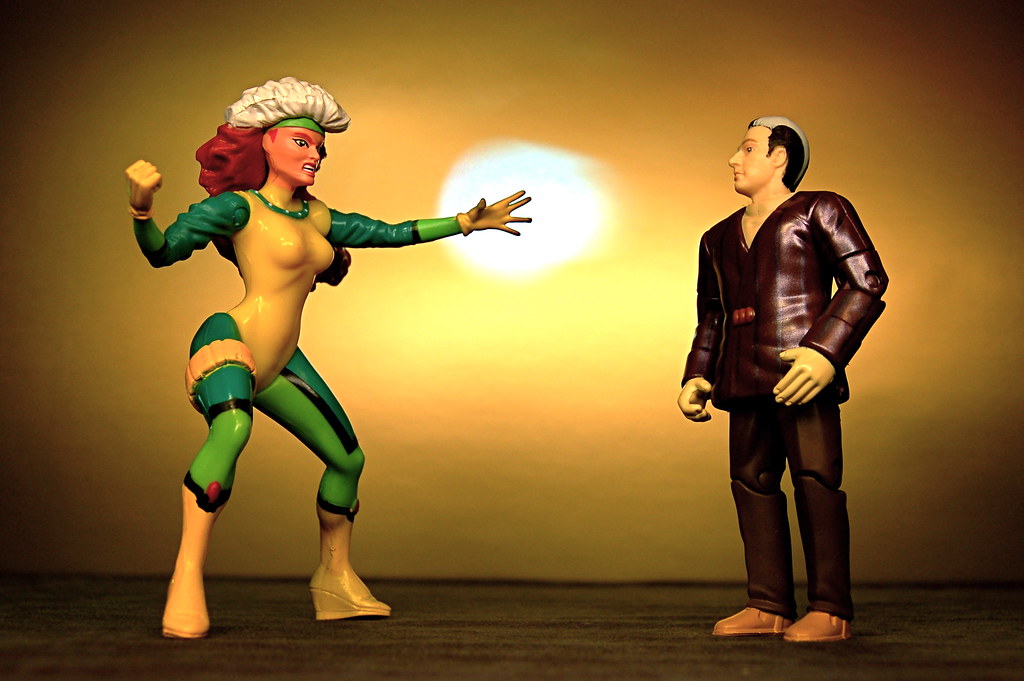
You probably had a shelf full of bulky X-Men figures that doubled as cartoon advertising. Toy Biz’s 1990s line pushed specific character looks and catchphrases tied to the animated show, nudging you toward branded stories and toys.
Those figures emphasized team identity and conflict, steering play toward clear “us vs. them” narratives. Collecting rare variants also taught you value through scarcity, a marketing tactic more than innocent fun.
See the Toy Biz line details at Marvel Toys Wiki for collector info.
Beast Wars Transformers
You probably remember Beast Wars as the reboot that swapped cars for animals and made action figures feel more like real toys. The line pushed articulation and storage-for-weapons design, changing how Transformers toys worked for a whole generation.
You saw TV episodes and toys selling a clear message: loyalty, teamwork, and clear faction identities — the kind of simple values that doubled as marketing. Check a detailed look at the toyline’s evolution on the Transformers wiki.
More from Cultivated Comfort:
- 7 Vintage Home Items From the ’60s That Are Collectors’ Dream Finds
- 7 Vintage Home Goods That Became Collectors’ Gold
- 7 Fast-Food Chains That Changed for the Worse
- 7 Frozen Dinners That Were Better Back in the Day

As a mom of three busy boys, I know how chaotic life can get — but I’ve learned that it’s possible to create a beautiful, cozy home even with kids running around. That’s why I started Cultivated Comfort — to share practical tips, simple systems, and a little encouragement for parents like me who want to make their home feel warm, inviting, and effortlessly stylish. Whether it’s managing toy chaos, streamlining everyday routines, or finding little moments of calm, I’m here to help you simplify your space and create a sense of comfort.
But home is just part of the story. I’m also passionate about seeing the world and creating beautiful meals to share with the people I love. Through Cultivated Comfort, I share my journey of balancing motherhood with building a home that feels rich and peaceful — and finding joy in exploring new places and flavors along the way.