The turkey was perfect, the pie was gone, and everyone drifted to the couch. Meanwhile the leftovers sat on the table, slowly warming to room temperature. That quiet little habit is where trouble starts.
The USDA Food Safety and Inspection Service says that “not cooking food to a safe temperature and leaving food out at an unsafe temperature are the two main causes” of foodborne illness. Here are eight things the agency’s guidance says to avoid.
1. Never Let Dinner Sit Out Past Two Hours
The USDA is clear: “Within 2 hours of cooking food or after it is removed from an appliance keeping it warm, leftovers must be refrigerated.” Perishable food that has been sitting at room temperature too long should be discarded.
The clock runs faster in the heat. When the temperature outdoors is above 90 degrees Fahrenheit, the limit drops to one hour, which matters for summer picnics and patio parties. Set a phone timer when the meal ends and the habit takes care of itself.
2. Never Stick A Giant Hot Pot In The Fridge As It Is
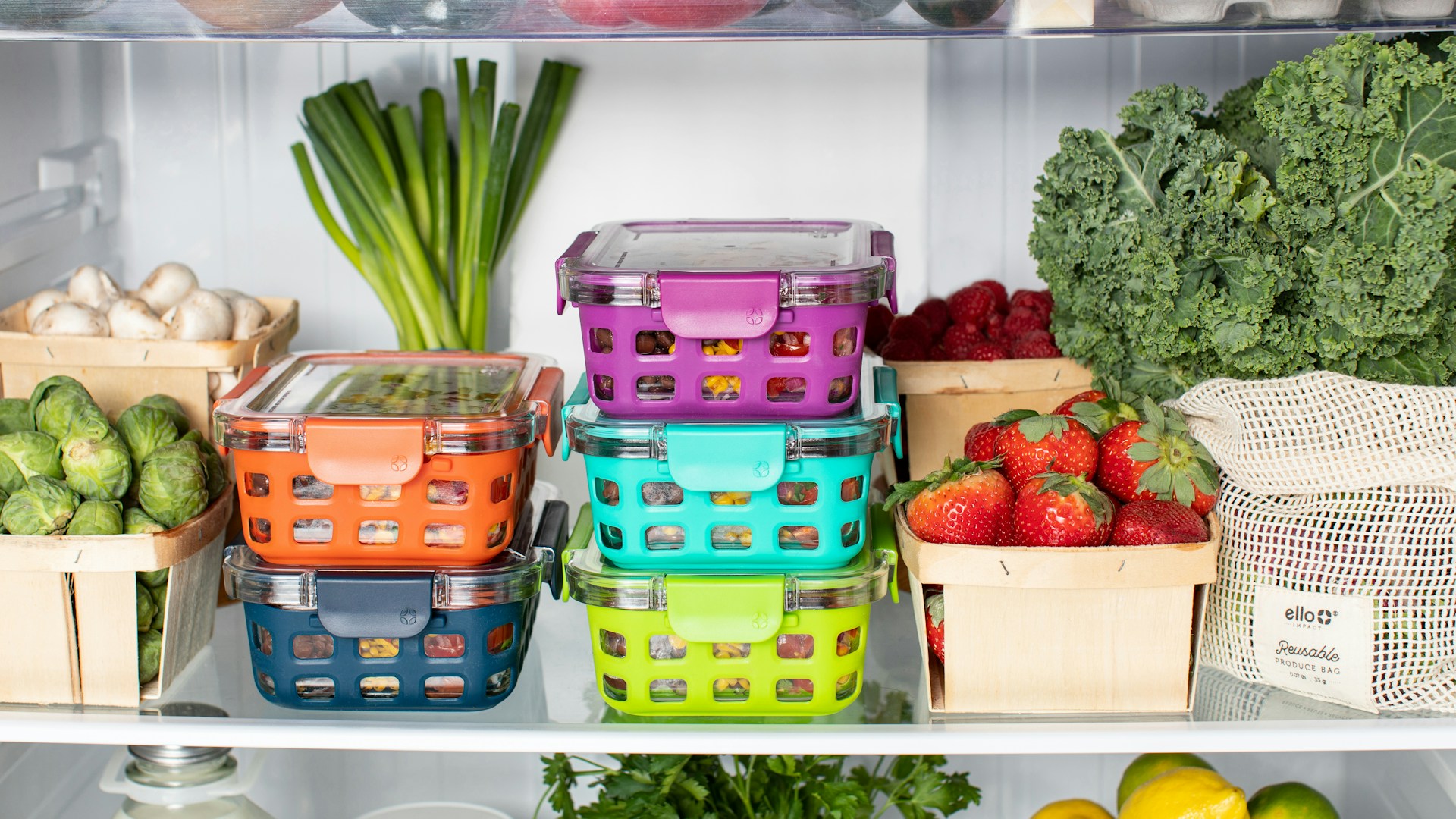
That big pot of chili is tempting to push straight onto a shelf. The USDA’s advice is to “divide large amounts of food into shallow containers” so it cools quickly.
The agency also suggests cutting large items into smaller pieces, and says hot food can go right into the refrigerator or be cooled first in an ice bath. Shallow beats deep every time, because more surface means faster cooling. Skip the lid-on, pot-on-the-counter overnight routine and you remove one of the biggest risks in the kitchen.
3. Never Treat The Fridge Like A Time Capsule
According to the USDA, “Leftovers can be kept in the refrigerator for 3 to 4 days or frozen for 3 to 4 months.” That three to four day window is shorter than many of us assume.
Thawed leftovers follow the same rule and should be used within 3 to 4 days. A marker and a strip of tape on the container lid make the countdown easy. If the date has come and gone, the USDA’s guidance is to let it go rather than gamble on a hunch.
4. Never Reheat By Guesswork
The agency says to “be sure they reach 165° F as measured with a food thermometer” when reheating leftovers. Steamy edges and a cold middle do not count.
For reference, the USDA lists safe cooking temperatures of 145 degrees for steaks and roasts of beef, pork, lamb and veal, 160 degrees for ground meats, and 165 degrees for poultry. A simple food thermometer is one of the best bargains in the kitchen. Check the thickest part of the food, and then check a second spot to be sure.
5. Never Zap Food Uncovered And Walk Away
Microwaves heat unevenly, which leaves cold spots where trouble can linger. The USDA tells cooks to “cover and rotate the food for even heating.”
It recommends a microwave-safe covered dish with the cover vented, a splash of liquid if the food needs it, and temperature checks in several spots with a thermometer.
6. Never Thaw Frozen Leftovers Just Any Old Way
The USDA describes three safe methods. The refrigerator is the slowest but keeps food safe the whole time, cold water works if the food is in a leak-proof bag, and the microwave is fastest, though food thawed that way must be heated to 165 degrees afterward.
There is also good news. Frozen leftovers can be reheated without thawing, which is handy on a busy night, though it takes longer, and food thawed in the refrigerator can be refrozen without reheating if only part of it was used.
7. Never Just Warm Up Soup And Gravy
Liquids can feel hot on top while the middle lags behind. The USDA says to bring sauces, soups and gravies to a rolling boil when reheating them.
Cover them as they heat to hold in moisture and warmth. A quick stir along the way helps the heat spread through the pot. That goes for the last of the Thanksgiving gravy, too, which deserves a proper boil before it hits the potatoes again.
8. Never Expect The Freezer To Keep Flavor Forever
Here is a twist. The USDA says frozen leftovers are “safe indefinitely,” yet they “can lose moisture and flavor when stored for longer times in the freezer.”
That is why the agency points to a window of 3 to 4 months for best results. A forgotten casserole from two winters ago may be safe, but it is unlikely to taste like the one you remember.
Keeping Cold Food Cold At The Party
The USDA says cold perishable food, such as chicken salad or a platter of deli meats, should stay at 40 degrees Fahrenheit or below. For a buffet, it suggests chilling trays with ice or using small trays that you swap out often.
Put it all together and the routine is simple. Chill fast in shallow containers, eat within three to four days, and reheat to 165 degrees. Your family gets the good part of the holiday without the sick day that sometimes follows.
More Stories You May Like
- 7 Things You Give Up With a Basic Economy Fare to Save a Few Dollars and the Fine Print You Should Read Before You Click Buy
- Couple Picks Braised Beef Short Ribs Over Escargot At The EPCOT Food And Wine Festival And Says Disney Should Keep The Dish On The Menu Year Round
- Five Las Vegas Buffets Went Head To Head Over All You Can Eat Lobster With Some Charging Nearly $100 And Price Proved A Poor Guide