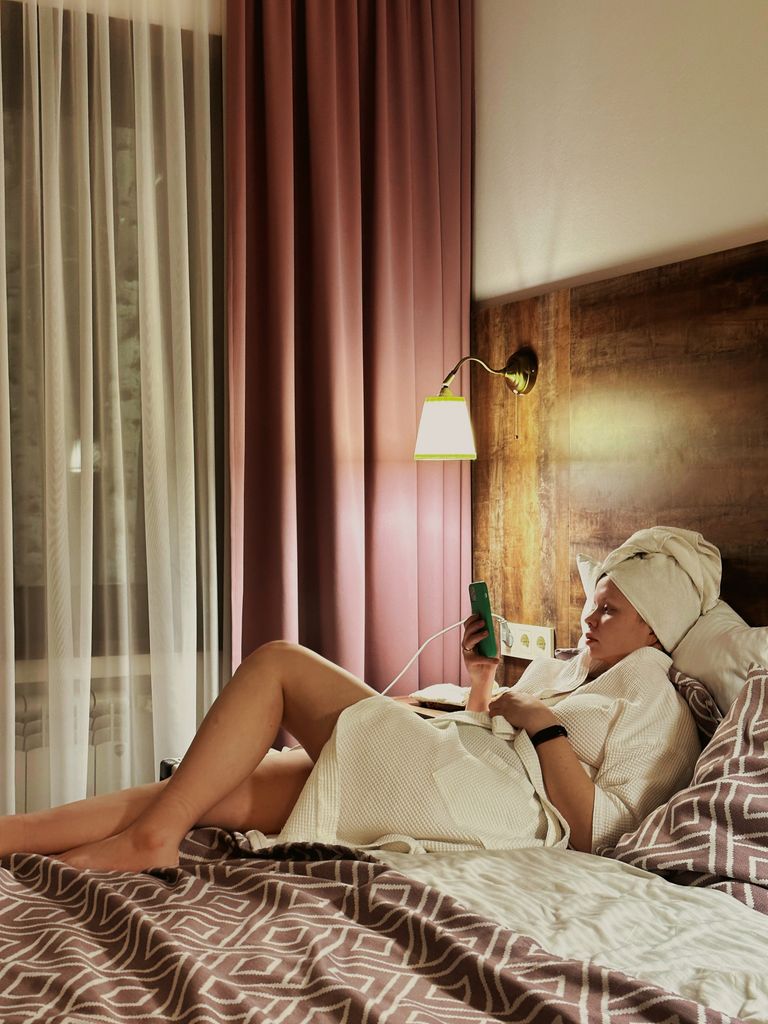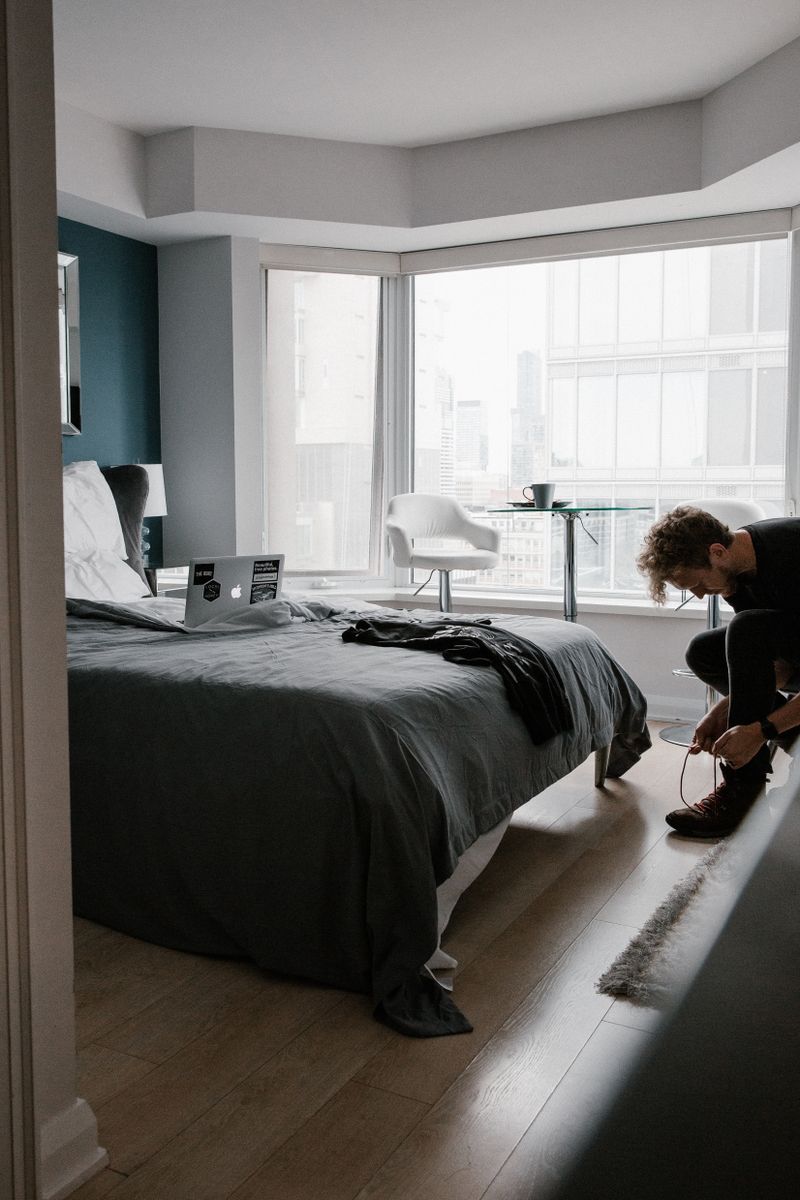
There’s a particular kind of denial that kicks in the moment you drop your bags in a hotel room after a long travel day. You’re tired, you just want to shower and collapse, and some small nagging detail — a smell, a stain, a lock that doesn’t quite catch — gets waved away because dealing with it feels like more effort than it’s worth. Most of the time that instinct to ignore it costs you nothing. Occasionally it costs you a ruined trip.
The truth is that hotel rooms are inspected far less rigorously than most guests assume, and a glowing rating on a booking site says more about the lobby and the marketing photos than it does about what’s actually happening behind door 214. Learning to read the small warning signs — and to trust your gut when something feels off — is one of the more underrated travel skills. Here are the red flags worth taking seriously the moment you notice them.

A Musty or Chemical Smell That Wasn’t There in the Photos
A strong smell the moment you open the door is rarely a good sign, whether it’s mustiness suggesting water damage and mold, or an overpowering wave of air freshener or cleaning product doing its best to cover something up. Hotels that are genuinely clean don’t need to mask anything. If the smell lingers after you’ve opened a window or run the air conditioning for twenty minutes, that’s your answer. Persistent dampness can mean a slow leak somewhere in the walls or under the carpet, which is unpleasant to sleep next to and occasionally a sign of a maintenance issue the property has been putting off. Trust your nose here more than you’d think to — it’s often the first sense to pick up on a problem before your eyes do, especially in a dim room where you’re not exactly doing a forensic inspection after a long day of travel.
Bedding That Looks Tidy but Doesn’t Feel Fresh
A made bed is not the same as a clean bed. Pull back the top sheet and comforter before you get comfortable — housekeeping in a rush will sometimes reset the visible layers without actually stripping and replacing what’s underneath. Look for stains, hair, or a comforter that smells like the last guest’s perfume rather than laundry detergent. It sounds unpleasant to think about, but a thirty-second check saves you from noticing something at 1 a.m. that you can’t unsee. Pillows are worth the same quick glance, since they’re changed even less consistently than sheets in some properties. If anything seems off, call the front desk immediately and ask for fresh linens or a room change rather than telling yourself you’ll deal with it later, because later rarely happens and you’ll just end up uncomfortable in your own bed for the rest of the stay.
A Deadbolt or Chain Lock That Doesn’t Actually Catch
Test every lock on the door within the first minute of entering the room, not right before you go to sleep. A chain that doesn’t reach its slot, a deadbolt that sticks halfway, or a door that doesn’t fully latch on its own are all worth reporting and getting fixed or moved away from immediately. This matters more in older properties or budget chains where maintenance requests pile up, but it’s genuinely worth checking at any hotel. A door that doesn’t close securely isn’t just an inconvenience, it’s the one piece of hardware standing between you and a hallway full of strangers. If the front desk can’t send someone to fix it within a reasonable window, ask for a different room rather than propping a chair against the door and hoping for the best, which is a habit far more travelers have than they’d like to admit.
A Room Situated Right Next to an Ice Machine, Elevator, or Stairwell
These rooms exist in every hotel, and someone always ends up in them. Beyond the noise — which is real and often runs late into the night as other guests fetch ice or take the stairs — rooms near high-traffic areas also tend to see more foot traffic past the door itself, including from people who aren’t guests at all. If you check in and realize this is where you’ve landed, it’s reasonable to ask for a reassignment, especially if you booked directly rather than through a discount third party. Most front desks would rather move you than deal with a noise complaint at 2 a.m., so there’s little downside to asking politely at check-in rather than waiting until you’re already lying awake listening to the ice machine cycle for the fourth time that night.
Windows or Balcony Doors That Don’t Lock Properly
Ground-floor rooms and those near fire escapes deserve an extra check, since a window or sliding door that doesn’t latch is a bigger issue than a chain lock that’s merely stiff. This is especially worth checking in warmer climates where windows get opened more often and hardware wears out faster. If you’re on a lower floor and the window opens onto a walkway, parking area, or shared balcony, take the extra thirty seconds to confirm the lock engages fully before you unpack. It’s an easy thing to overlook because most of us assume every window in a hotel is secure by default, but hardware fails, especially in older buildings, and a broken latch is not something you want to discover secondhand from a maintenance worker after the fact rather than for yourself when it still mattered.
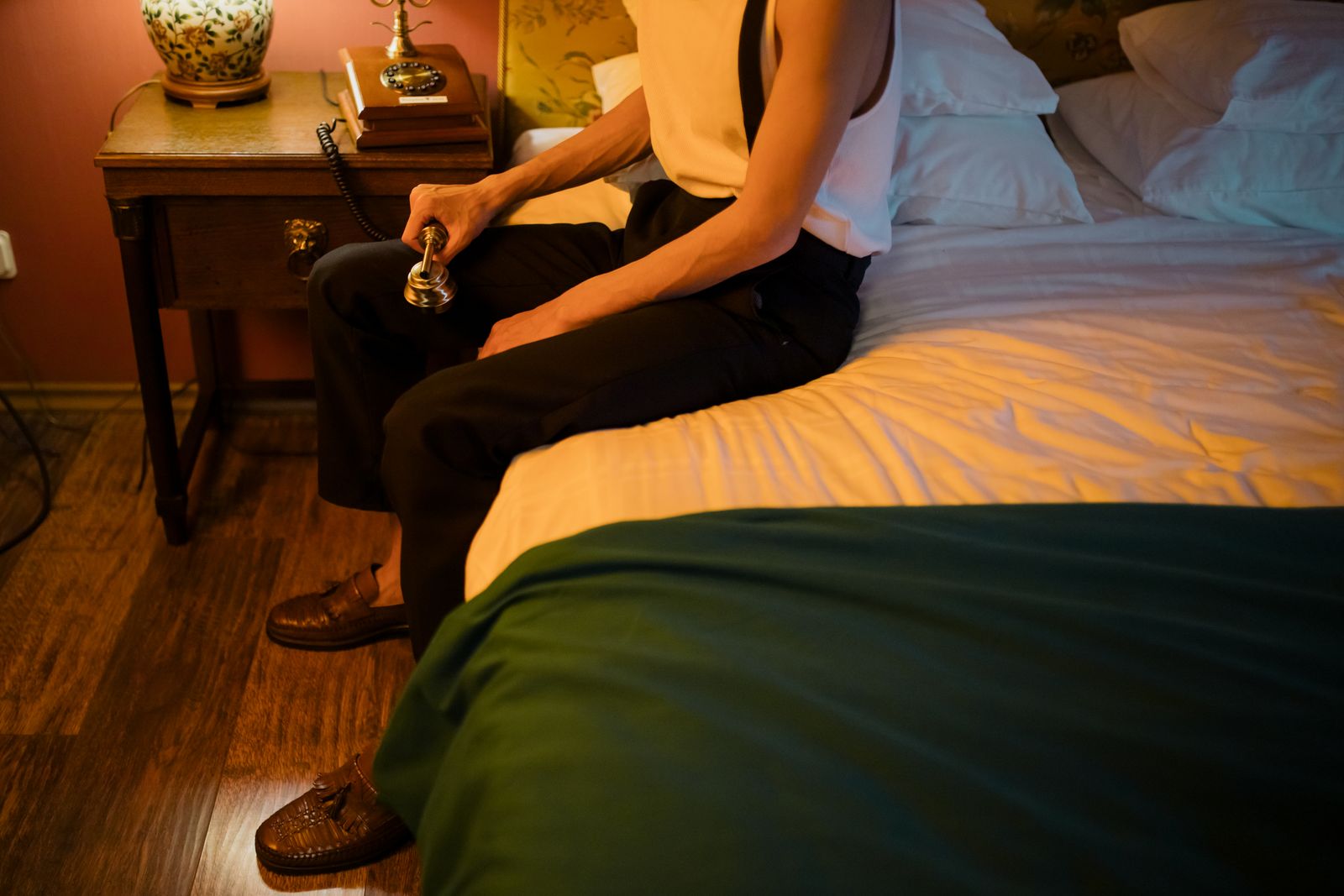
Visible Grime in the Bathroom That Housekeeping Missed
Bathrooms are the room’s most telling barometer, because they’re the hardest area to fake clean. Check the grout around the tub, the underside of the toilet seat, and the drain for hair or buildup. A property that’s cutting corners in the bathroom is almost certainly cutting corners elsewhere you can’t see as easily, like the air conditioning filters or the mattress underneath that fresh-looking fitted sheet. This isn’t about demanding five-star luxury from a budget stay — it’s about a baseline of actual cleanliness versus the appearance of it. If the bathroom looks neglected, it’s worth a call to the front desk before you settle in, both to get it addressed and because their response tells you a lot about how the rest of your stay is likely to go.
No Visible Fire Safety Information or a Blocked Exit Route
Most travelers never look at the fire evacuation map on the back of the door, and most of the time that’s fine. But it takes ten seconds to glance at it and note where the nearest exit actually is, especially in an unfamiliar building with a layout that doesn’t match anywhere you’ve stayed before. If you notice a hallway exit is propped open with equipment, blocked by stored furniture, or the map is missing from the room entirely, that’s worth mentioning to staff. It’s not about assuming disaster is imminent — it’s the same low-effort habit as noting where the emergency doors are on a plane, done once and then forgotten unless you need it, at which point you’ll be very glad you already know.
A Key Card That Opens More Doors Than It Should
Most hotel key cards are supposed to work only on your room, maybe a shared amenity like the gym or pool. If you notice yours opening a supply closet, another guest room, or a staff-only area, that’s a sign the property’s key programming isn’t being managed carefully, which raises real questions about who else might be able to get into your room by the same logic. Report it right away rather than shrugging it off as a funny mix-up. A well-run property reprograms and audits its key system regularly; one that doesn’t is telling you something about how seriously it takes security more broadly, and that’s worth factoring into how comfortable you feel leaving your belongings behind when you head out for the day.
Reviews That Mention the Exact Same Issue You’re Now Seeing
This one technically happens before you arrive, but it belongs on the list because so many travelers see the warning and book anyway, assuming their experience will be different. If multiple recent reviews mention thin walls, a persistent smell, or unresponsive front desk staff, and you show up to find exactly that, it’s worth remembering next time that a pattern across strangers’ independent reviews is far more reliable than a single glowing one from a stay that happened to go well. Once you’re already checked in and living the exact complaint you read about beforehand, use it as a reason to ask for a resolution rather than just tolerating it, since you now have outside confirmation that the issue is real and recurring rather than a one-off you’re imagining.

As a mom of three busy boys, I know how chaotic life can get — but I’ve learned that it’s possible to create a beautiful, cozy home even with kids running around. That’s why I started Cultivated Comfort — to share practical tips, simple systems, and a little encouragement for parents like me who want to make their home feel warm, inviting, and effortlessly stylish. Whether it’s managing toy chaos, streamlining everyday routines, or finding little moments of calm, I’m here to help you simplify your space and create a sense of comfort.
But home is just part of the story. I’m also passionate about seeing the world and creating beautiful meals to share with the people I love. Through Cultivated Comfort, I share my journey of balancing motherhood with building a home that feels rich and peaceful — and finding joy in exploring new places and flavors along the way.