

Pizza night has always been a learning experience for me, filled with trial, error, and the occasional kitchen disaster. Over time, I discovered a handful of tricks that completely transformed the way I make and enjoy homemade pizza. These lessons—shaped by burned crusts, soggy centers, and triumphant successes—are now the go-to practices I rely on every time. From mastering dough that bakes up light and airy to achieving the perfect balance of sauce, cheese, and toppings, these nine insights will help you turn pizza night into something truly special.
Mastering the Dough
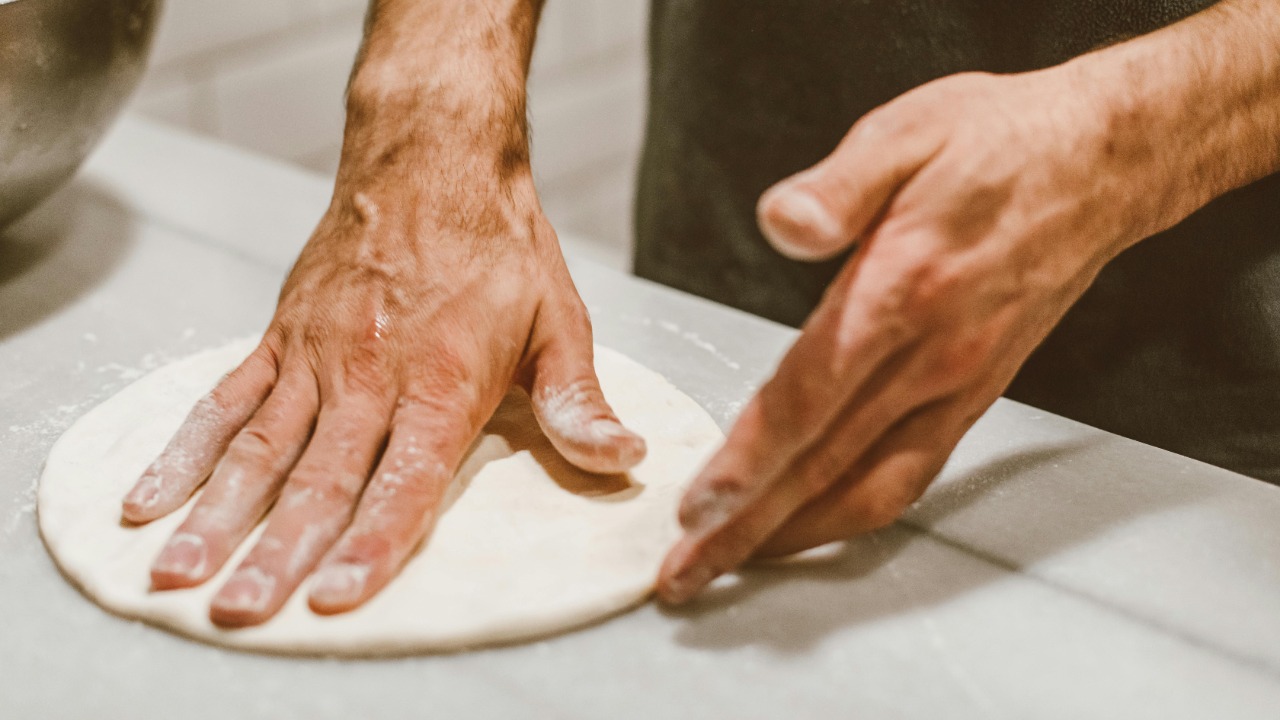
Creating a perfect pizza begins with the dough. The right hydration level is essential for a well-structured dough. Too much water can result in a sticky, unmanageable dough, while too little can lead to a dry, tough crust. Aim for a hydration level of around 60-70%, depending on the type of flour you’re using.
Fermenting the dough is another key step. This process allows the yeast to break down the sugars in the dough, producing carbon dioxide, ethanol, and other compounds that give pizza crust its distinctive flavor and texture. I recommend a slow, cold fermentation in the fridge for 24 to 72 hours for a complex, tasty crust.
Stretching the dough, rather than rolling it, preserves the gas bubbles created during fermentation, leading to a more substantial and airy crust. Practice is key here, as it takes some time to develop a feel for when the dough has been stretched enough, but not too much.
Choosing the Best Cheese
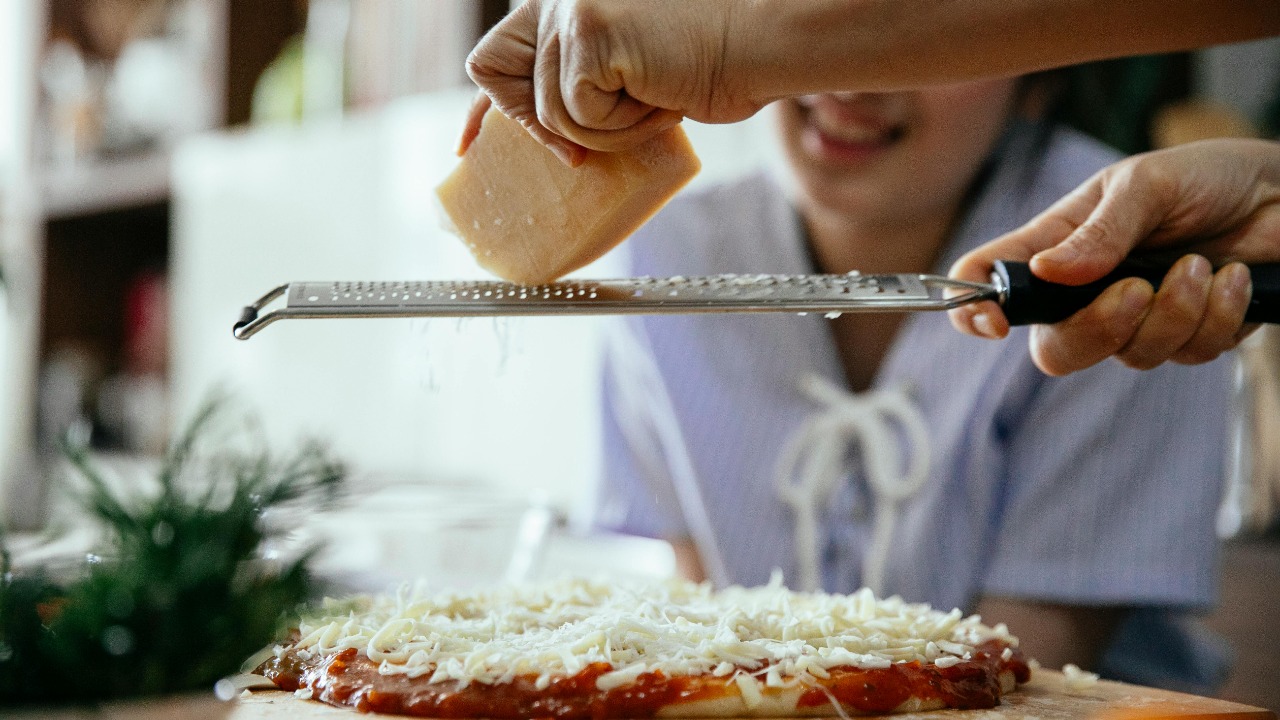
Good cheese is the soul of a great pizza. A blend of mozzarella, provolone, and Parmesan often provides a balanced, rich flavor. Mozzarella, due to its excellent melting properties, forms the majority of my cheese mix. But the question remains: fresh or low-moisture mozzarella? I’ve found that while fresh mozzarella has a superior taste, it can make the pizza soggy, so I lean towards low-moisture mozzarella.
Grating and spreading the cheese evenly across the pizza ensure every bite is as delicious as the last. Overloading the pizza with cheese can lead to a greasy, heavy pizza, so less is more in this case.
Paying Attention to the Sauce
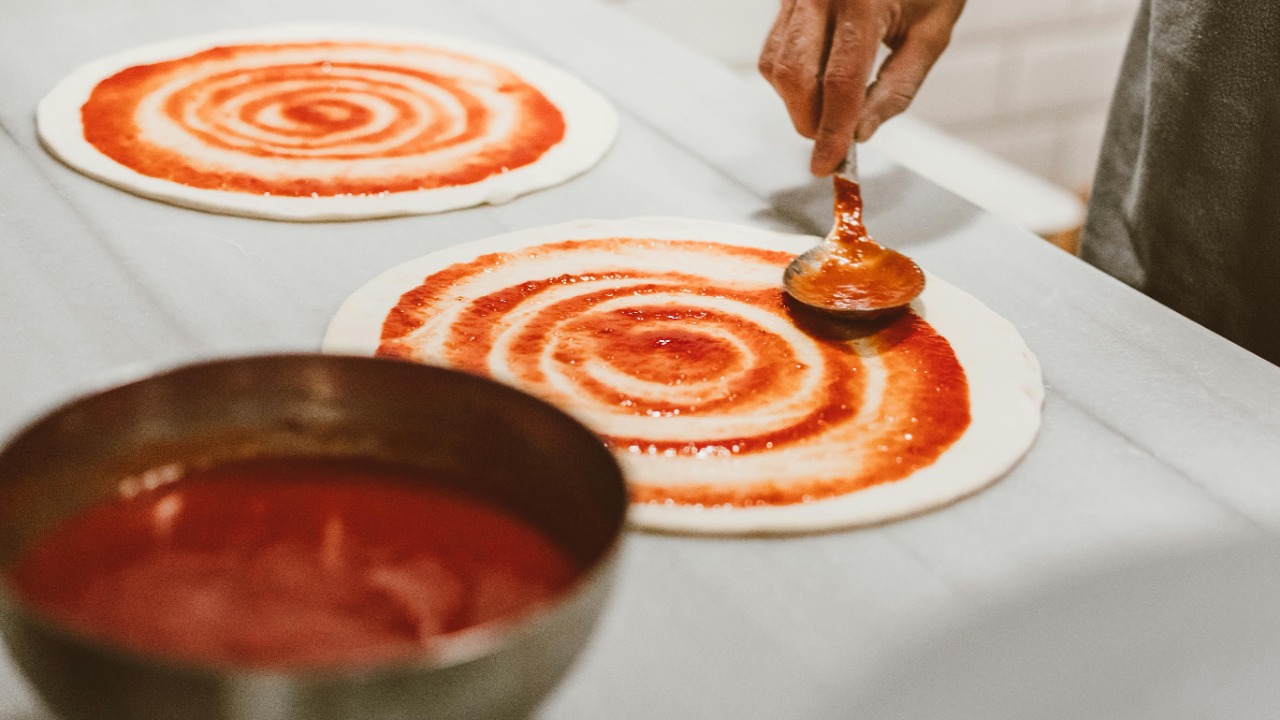
Homemade sauce trumps store-bought ones in flavor. The extra effort to make your sauce allows you to control the freshness and quality of the ingredients. For the perfect consistency, aim for a sauce that’s not too thick or thin, and spread it sparingly, or you risk a soggy crust.
Add some spices to your sauce for an extra kick. Red pepper flakes or a touch of smoked paprika can elevate the flavor profile of your pizza. Remember, the sauce should complement the toppings, not overpower them.
Art of Assembling the Pizza
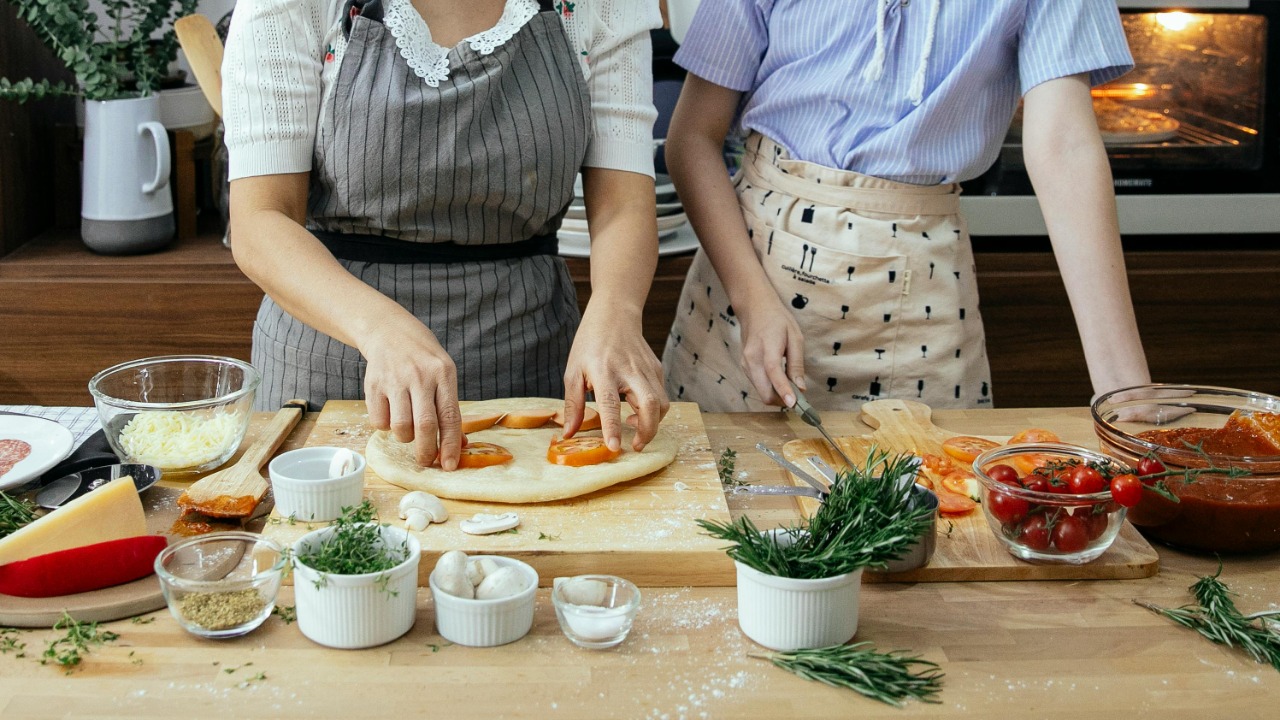
The order in which you layer your ingredients can significantly impact the taste of your pizza. I typically start with a light layer of sauce, followed by cheese and then the toppings. This order helps the cheese melt into the sauce, creating a deliciously unified base for the toppings.
Don’t underestimate the power of ingredient placement. For instance, placing some toppings under the cheese allows them to marinate in the sauce and cheese as the pizza cooks, creating a depth of flavor. The right amount of ingredients is also crucial. Too many toppings can lead to a soggy, undercooked pizza, while too few can make the pizza dry and bland.
Oven Preparation: Preheating and Baking Stone
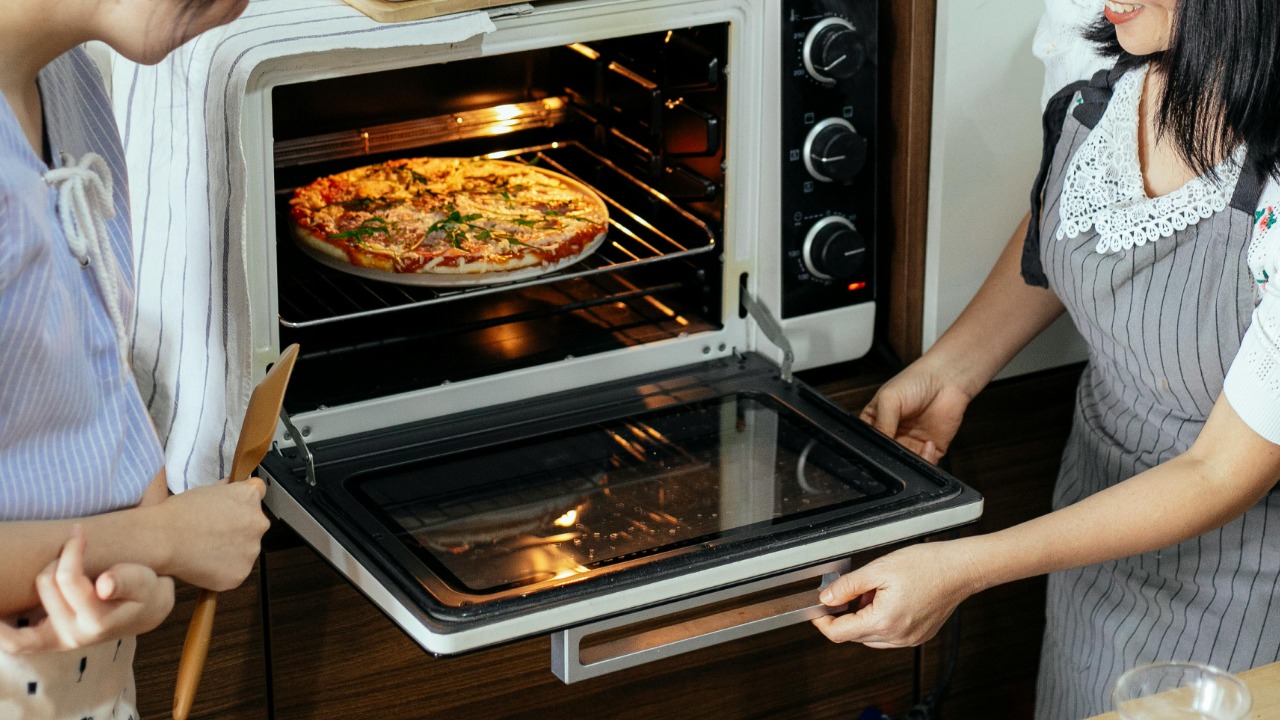
Proper preheating is crucial for achieving a crispy, evenly cooked crust. Preheat your oven to its highest temperature, typically between 500 and 550 degrees Fahrenheit, for at least an hour before baking your pizza. A baking stone can also make a difference in achieving a crispy crust, as it retains heat well and transfers it evenly to the pizza.
Managing your oven temperature during cooking is also important. If the top of your pizza is browning too quickly, lower the temperature or move the pizza to a lower rack. If the crust isn’t browning fast enough, increase the temperature or move the pizza to a higher rack.
Baking the Perfect Pizza
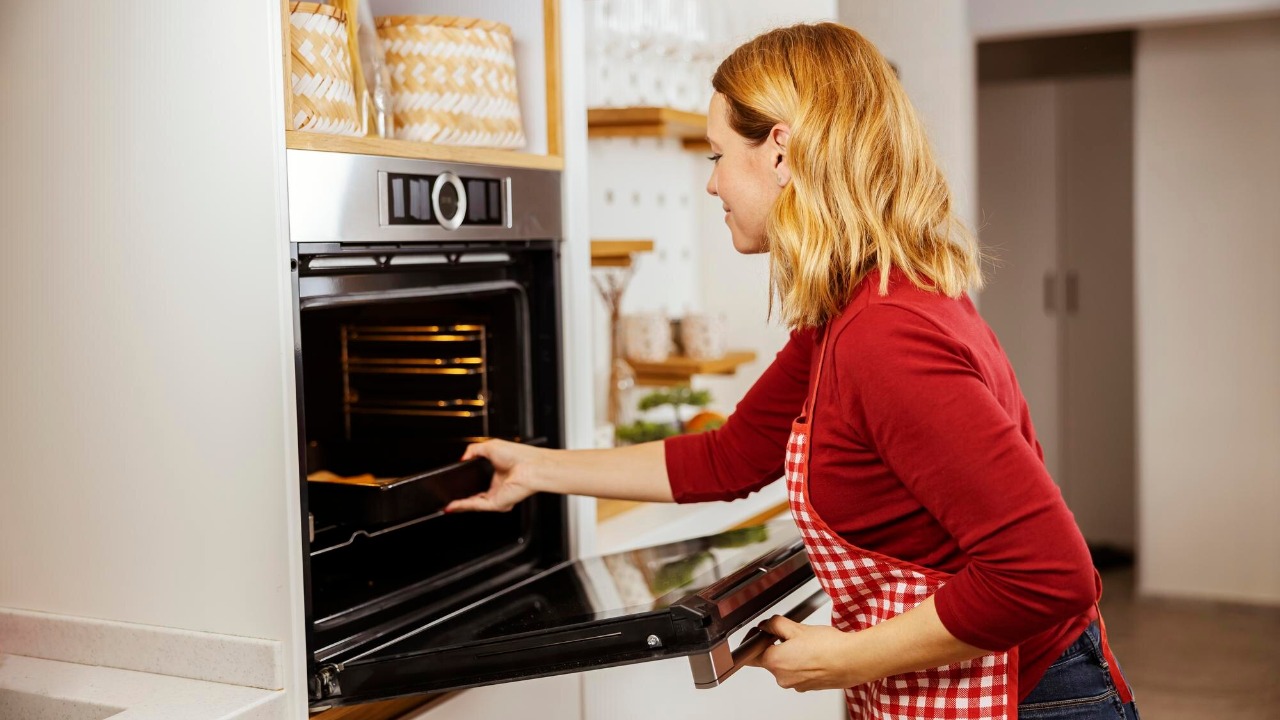
The ideal baking duration varies depending on your oven and the thickness of your pizza. Generally, a thin crust pizza baked at a high temperature should be ready in about 10-12 minutes. Keep an eye on your pizza as it bakes to prevent burning.
Getting the balance right between top and bottom heat can be tricky. Too much heat from the top, and the cheese and toppings might burn before the crust is fully cooked. Too much heat from the bottom, and the crust might burn before the cheese fully melts. Experiment with your oven’s settings to find the perfect balance.
Knowing when your pizza is perfectly baked comes with experience. Look for a golden brown crust, bubbling cheese, and fully cooked toppings. If in doubt, it’s better to err on the side of slightly overcooked than undercooked.
Experimenting with Toppings
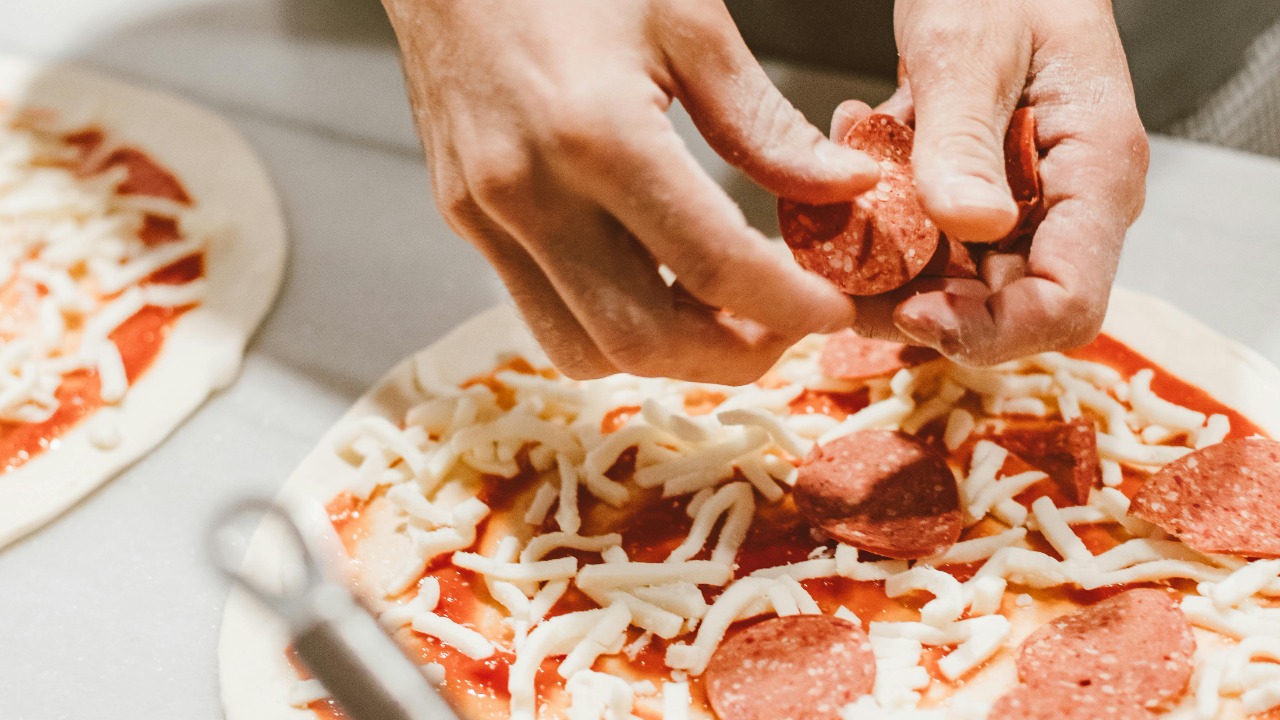
Toppings can make or break a pizza, so don’t be afraid to experiment. Go beyond traditional toppings like pepperoni and mushrooms. Try unexpected combinations like pear and gorgonzola, or prosciutto and fig. The key is to balance flavors – sweet, salty, bitter, sour, and umami – for a harmonious taste.
Consider the difference between fresh and cooked toppings. Fresh toppings, like arugula or fresh basil, add a burst of flavor and color to a cooked pizza. Cooked toppings, like caramelized onions or roasted vegetables, have a deeper, more concentrated flavor.
The Art of Slicing
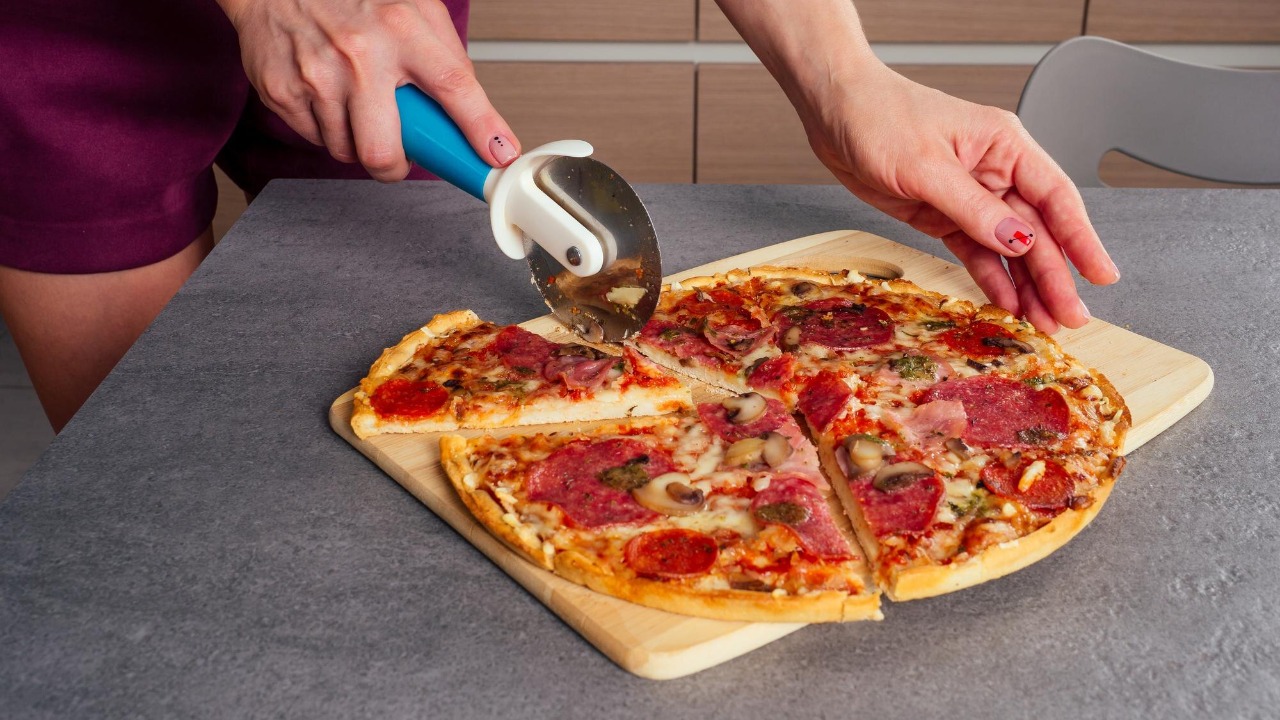
The best tool for slicing pizza is a pizza wheel. It allows for clean, even cuts without dragging the toppings around. To ensure even pieces, start by cutting the pizza in half, then cut each half into equal slices.
Different pizza styles require different slicing techniques. For example, a thin crust pizza can be cut into traditional triangles, while a deep-dish pizza is typically cut into squares.
Serving Pizza Like a Pro
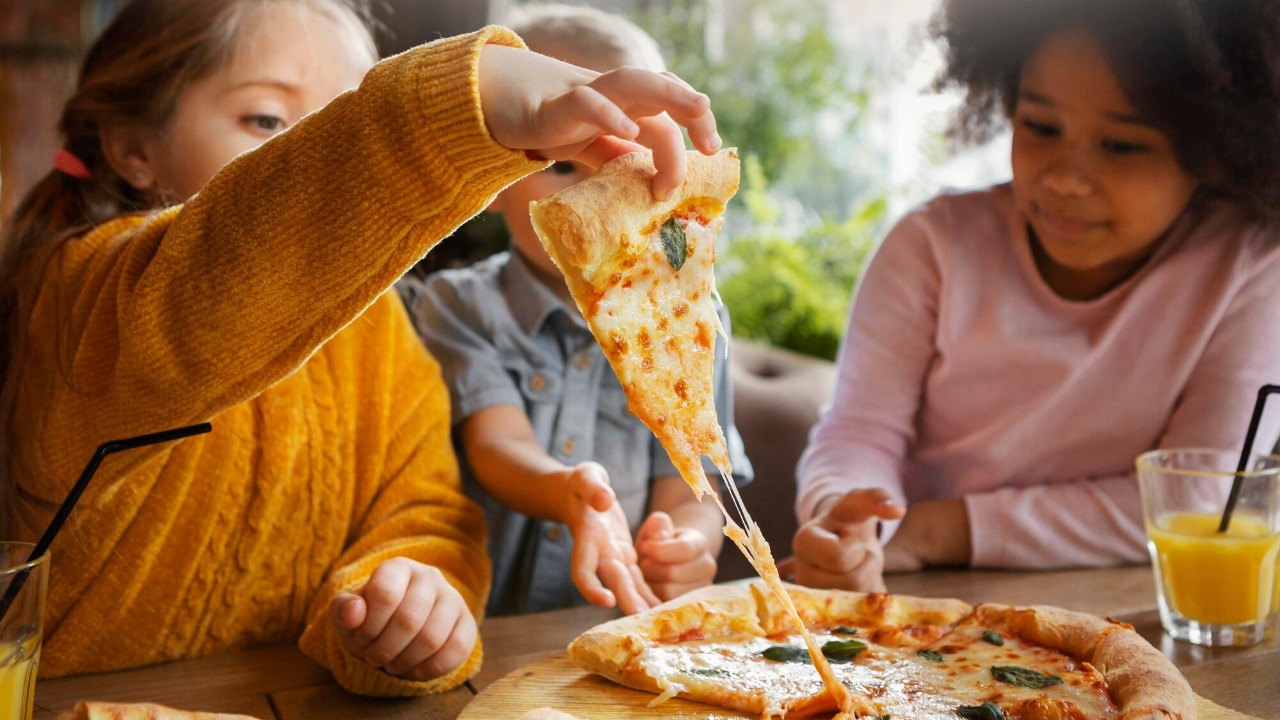
The ideal serving temperature for pizza is hot, but not scorching. Allow the pizza to rest for a few minutes after removing it from the oven to let the cheese settle. This prevents the cheese from sliding off when you slice and serve the pizza.
Pairing pizza with drinks enhances the dining experience. A crisp lager or hoppy IPA pairs well with most pizzas, while a glass of Chianti complements a pizza with robust toppings like sausage or mushrooms.
Garnishing your pizza before serving can make it even more appealing. A drizzle of high-quality olive oil, a sprinkle of fresh basil, or a dusting of Parmesan cheese can elevate your pizza presentation to a whole new level. Remember, we eat with our eyes first, so make your pizza as attractive as it is delicious.

As a mom of three busy boys, I know how chaotic life can get — but I’ve learned that it’s possible to create a beautiful, cozy home even with kids running around. That’s why I started Cultivated Comfort — to share practical tips, simple systems, and a little encouragement for parents like me who want to make their home feel warm, inviting, and effortlessly stylish. Whether it’s managing toy chaos, streamlining everyday routines, or finding little moments of calm, I’m here to help you simplify your space and create a sense of comfort.
But home is just part of the story. I’m also passionate about seeing the world and creating beautiful meals to share with the people I love. Through Cultivated Comfort, I share my journey of balancing motherhood with building a home that feels rich and peaceful — and finding joy in exploring new places and flavors along the way.
