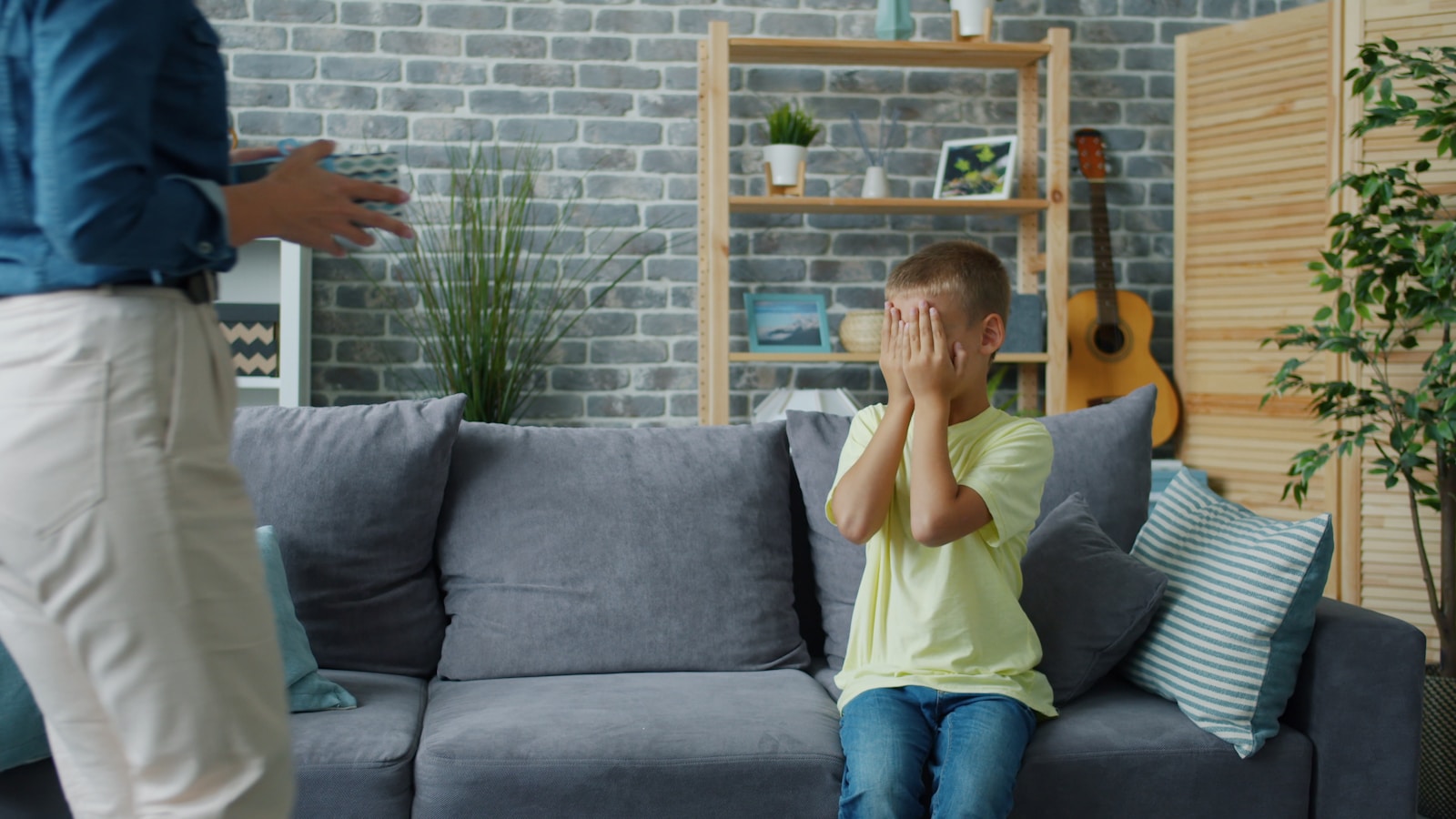
When a parent constantly measures you against siblings, classmates, or even their younger self, comparison stops being feedback and starts functioning like a weapon. Instead of helping you grow, it can chip away at your confidence, distort your relationships, and leave you feeling like you are never quite enough. Recognizing the patterns is the first step toward protecting your sense of self and setting healthier boundaries as an adult.
The following signs focus on how comparison can be used to control, shame, or divide, rather than to guide. By spotting these dynamics in your own family story, you can begin to separate your worth from any “better than” or “worse than” narrative you were handed and move toward a more grounded view of who you are.
1. Your parent turns your own words into ammunition
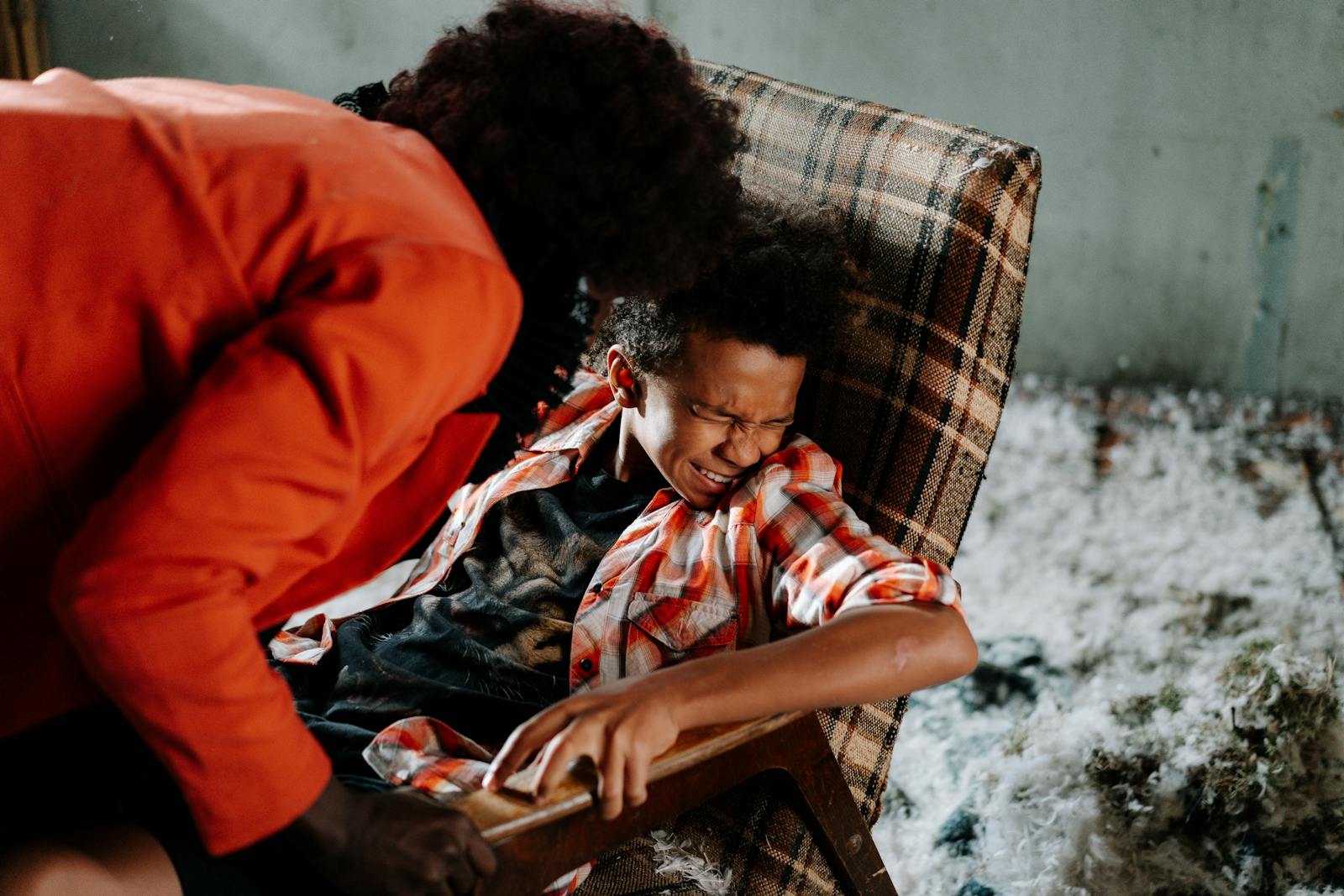
One of the clearest signs that comparison has become a weapon is when your parent uses what you share in confidence as material to rank you against others. You might open up about struggling in a college statistics class, only to hear later that “your cousin never complained about math” or that “Mar always pushed through without whining.” In that moment, your vulnerability is not met with support, it is repurposed as proof that you fall short of some imagined standard.
Adults who grew up with emotionally immature caregivers often describe this pattern of disclosure being twisted into criticism. In one account, a child who tried to talk about problems found that “Whenever” they shared, the information was stored and later used as a tool of manipulation, a pattern that left them feeling unsafe and exposed when their parent compared them to more “resilient” relatives or friends in the next argument, as described in accounts of emotional neglect. When comparison is built on weaponized secrets, it stops being about growth and becomes a way to keep you small and compliant.
2. “Look at them” is your parent’s main parenting strategy
Another red flag is when your parent leans on comparison as their default motivational tool, as if pointing to a higher achieving sibling or classmate is the only way to get you to try. Instead of asking what you need to succeed, they say things like “Your brother already finished his homework” or “That kid in your class got into Stanford, why didn’t you.” The message is not “you can improve,” it is “you are behind,” and the benchmark is always someone else’s life.
Child development experts warn that these kinds of comparisons are rarely motivating for children and can actually backfire. In one discussion of family dynamics, Oct explains that when parents constantly hold up other kids as examples, they create pressure and shame rather than genuine drive, especially if the child already feels insecure about school or sports, a pattern highlighted in guidance on why comparing your child to others backfires. Over time, you may stop trying new things altogether because you assume you will never match the “gold standard” your parent keeps parading in front of you.
3. Comparison is used to punish and divide, not to guide
Comparison becomes especially toxic when it is tied to punishment or revenge. Instead of calmly addressing a problem, a parent might say “Your sister would never treat me like this” or “If you were more like your cousin, I would actually want to spend time with you,” using another person’s behavior as a club. In high conflict families, this can escalate into a pattern where one child is idealized and another is cast as the problem, with comparison serving as the script that keeps everyone in their assigned roles.
Research on parental alienating behaviors shows how powerful this tactic can be when a parent is driven by anger or a desire to win. Their wish for payback, combined with frustration, can stop them from seeing their child in a balanced way and instead feed a tactical agenda that pits children against each other or against the other parent, a pattern described in work on how Their desire for vengeance shapes family dynamics. When comparison is part of that agenda, it is not about helping you grow, it is about keeping you in line or recruiting you to a side.
4. You are constantly measured against siblings and “most kids”
If you grew up hearing that your brother was the “smart one,” your sister was the “pretty one,” and you were the “difficult one,” you have already felt how comparison can define your identity before you even know who you are. Some parents do this within the family, while others compare you to an imaginary average, insisting that “most kids your age” are more grateful, more disciplined, or more successful. The effect is the same: your worth is always relative, never intrinsic.
Parenting educators note that when adults compare children to each other or to what they think “most kids” are like, they are usually revealing their own measuring stick rather than any objective truth. Jul describes how parents who lean on this tactic often end up creating resentment and rivalry instead of cooperation, especially when one child is praised as the standard and the others are told to catch up, a pattern explored in discussions of what happens when parents compare kids. If you internalized those labels, you might still hear them in your head every time you walk into a meeting or start a new relationship.
5. Love and approval feel like a competition you can never win
When comparison is a weapon, affection often feels conditional. You may notice that your parent lights up when talking about one child’s achievements but goes quiet or critical when you share your own. Compliments are rare, but side comments about how “Every” other kid seems more helpful, more ambitious, or more respectful come easily. Over time, you learn that love is something you earn by outperforming someone else, not something you receive because you exist.
Writers who focus on family life point out that each time a parent compares their children, they reveal the yardstick they use to judge worth. One analysis notes that “Every” comparison exposes the criteria a parent is using and that “Comparing” one child to another can make kids expect judgment instead of safety at home, eroding the sense that love is steady and secure, as explored in reflections on how Every time we compare our kids we change the emotional climate. If you grew up in that climate, it is common to carry the same competitive lens into friendships, work, and even your own parenting until you consciously choose a different script.
6. Your parent uses comparison instead of honest self-reflection
Healthy parents are willing to admit when they get it wrong, which makes it easier for kids to be honest about their own mistakes. In contrast, a parent who uses comparison as a shield might deflect any feedback by pointing to how much “worse” other families are or how “ungrateful” you are compared with your peers. Rather than saying “I lost my temper and that was not okay,” they might insist that “other parents would have hit you” or that you should be grateful they are not as strict as someone else’s mom or dad.
Commentators who celebrate grounded parenting emphasize that strong caregivers do not shy away from acknowledging their failures, because “They” understand that transparency helps children be honest about their own struggles and choices, a point highlighted in reflections on how They don’t shy away from difficult truths. When your parent refuses that kind of accountability and instead compares themselves favorably to harsher parents, the comparison becomes a way to dodge responsibility and keep you from questioning their behavior.
7. Comparison is part of a larger pattern of control
In many families, comparison does not stand alone, it sits inside a broader pattern of control. A parent who interferes in nearly every aspect of your life might also compare your choices to the ones they would have made, framing their preferred path as the only “right” one. If you choose a different major, partner, or city, they might say you are “throwing away your potential” compared with a sibling who stayed closer to their expectations, turning your autonomy into a moral failing.
Guides on controlling parenting list several warning signs, including constant monitoring, “Signs of” intrusive involvement, “Interfering” in decisions that should belong to the child, and “Criticizing” any choice that does not match the parent’s script, patterns described in analyses of Signs of controlling parents. When comparison is layered on top of that, it becomes another lever of control: you are not just making a different choice, you are choosing to be “less than” the sibling or friend who did what your parent wanted. That framing can make it much harder to trust your own judgment as an adult.
8. Favoritism and “you have it easier” are constant refrains
Weaponized comparison often shows up as blatant favoritism. You might notice that one child receives more praise, more eye contact, or more practical help, while another is held to a harsher standard. The favored child’s mistakes are brushed off, while yours are cataloged and contrasted with how “responsible” or “grateful” your sibling supposedly is. Over time, this unequal treatment can fracture sibling bonds and leave you questioning whether you were ever truly loved on your own terms.
Relationship experts describe several markers of this pattern, including Dec observations that “Here” are signs like “Unequal” praise and attention and that “One of the” most common examples of favoritism is when one child is consistently celebrated while another is criticized, as outlined in guidance on Unequal praise and attention. On top of that, many adults recall hearing phrases like “You have it easier than I did as a kid,” which dismiss their struggles by comparing them to a parent’s harder past. According to a 2023 “Gallup” survey, kids and teenagers today report high levels of stress and mental health challenges, which undercuts the idea that modern childhood is automatically easier, a point raised in discussions of how “Mar” era phrases like “You have it easier than I did as a kid” land with today’s youth, as noted in coverage that cites a Gallup survey. When your reality is constantly minimized in this way, it becomes harder to trust your own feelings or ask for help.
9. Comparison keeps everyone in rigid roles, even into adulthood
For some families, comparison is not just a bad habit, it is the glue that holds a dysfunctional system together. A parent with untreated mental health issues, for example, might cycle between idealizing one child and devaluing another, using comparison to justify sudden shifts in loyalty. Adult children of parents with traits of borderline personality disorder often describe how “She” would apologize for hurtful behavior, then repeat it, or how “She” would go from praising one child to attacking them while holding up a sibling as the “good one,” patterns described in first person accounts of what are the primary characteristics of your BPD parent. In that environment, comparison is not about growth, it is about emotional whiplash.
Family therapists and educators also note that when a parent describes their children in comparative and negative terms, they are not just hurting one child, they are shaping how siblings see each other. One reflection on sibling dynamics points out that it might be a child’s choice to distance themselves later, but it is not their FAULT when a parent has spent years “When” describing them in ways that place them in competition, a pattern explored in commentary on how parents can end up placing them in competition. If you grew up in that kind of system, recognizing the role comparison played can help you step out of the script, rebuild relationships on your own terms, and remind yourself that your value was never meant to be measured against anyone else’s.
How to start breaking the comparison cycle
Noticing these patterns is painful, but it also opens the door to change. Once you see how comparison has been used against you, you can begin to set limits on how much access your parent has to your vulnerabilities, how often you engage in conversations that revolve around who is “better,” and how you talk to yourself when you fall short of your own expectations. You can also look for models of healthier behavior, including parents and caregivers who admit mistakes, celebrate effort over ranking, and refuse to pit siblings against each other.
Understanding why comparison feels so powerful can also help you loosen its grip. In other contexts, people sometimes reach for literal weapons because they feel powerless and want others to take them seriously, a dynamic described in discussions of how “Others” and “Students” might bring a weapon to school because carrying it makes them feel strong or respected, as outlined in resources on why students bring weapons. In families, comparison can serve a similar function for a parent who feels insecure or out of control, giving them a quick way to assert power. Remembering that does not excuse the harm, but it can help you see that their need to rank you was never proof that you were lacking. It was a sign that they did not know how to lead with anything other than a measuring stick, and you are allowed to put that weapon down.
More from Cultivated Comfort:
- 7 Retro Home Features That Builders Should Bring Back
- 7 Antique Finds That Are Surprisingly Valuable Today
- 7 Forgotten Vacation Spots Your Parents Probably Loved
- 6 Boomer China Patterns That Are Selling Like Crazy Online

As a mom of three busy boys, I know how chaotic life can get — but I’ve learned that it’s possible to create a beautiful, cozy home even with kids running around. That’s why I started Cultivated Comfort — to share practical tips, simple systems, and a little encouragement for parents like me who want to make their home feel warm, inviting, and effortlessly stylish. Whether it’s managing toy chaos, streamlining everyday routines, or finding little moments of calm, I’m here to help you simplify your space and create a sense of comfort.
But home is just part of the story. I’m also passionate about seeing the world and creating beautiful meals to share with the people I love. Through Cultivated Comfort, I share my journey of balancing motherhood with building a home that feels rich and peaceful — and finding joy in exploring new places and flavors along the way.