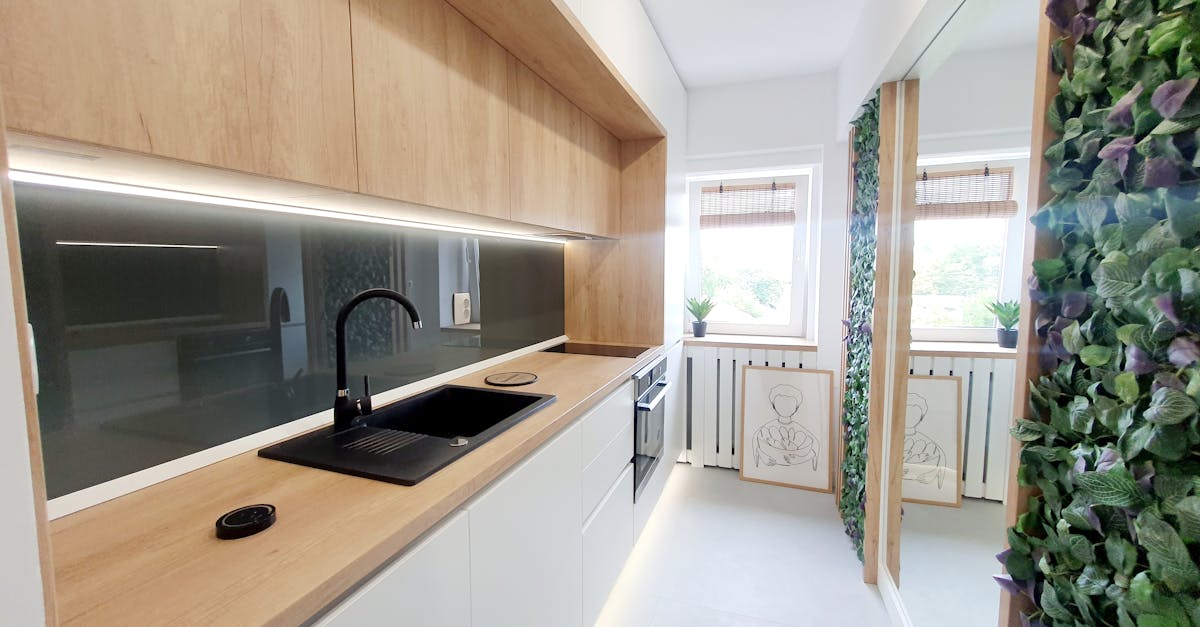
The Real Reason Modern Homes Feel So Empty
Recent studies indicate that many homeowners feel a sense of emptiness in modern homes, primarily due to the design trends emphasizing minimalism and open spaces. This phenomenon affects families and individuals alike, leading to a growing concern over how home environments impact emotional well-being. Understanding the underlying reasons for this emptiness can help homeowners make informed choices about their living spaces.
Shift Towards Minimalism
In the last decade, minimalism has gained significant popularity as a lifestyle choice. This movement is characterized by decluttering and reducing possessions to only those that add value to life. While minimalism can promote a sense of calm and freedom, it often results in homes that lack warmth and personality. The starkness of such environments can contribute to feelings of emptiness, as personal items that evoke memories and comfort are often removed.
The Influence of Open Floor Plans
Another contributing factor to the sensation of emptiness in modern homes is the prevalence of open floor plans. While these designs are lauded for their spaciousness and flow, they can also create vast, uninviting areas that feel cold and uninhabited. The lack of defined spaces can make it difficult to establish zones for different activities, leading to a sense of disconnection in the home. Homeowners might find themselves longing for the intimate, cozy nooks that traditional floor plans often provide.
Impact of Technology
The rise of smart home technology also plays a role in the feeling of emptiness. Many new homes are equipped with automated systems that prioritize convenience over comfort. While these advancements can enhance the functionality of a home, they often lack a human touch. The reliance on technology can create a sterile environment, where the warmth of human interaction is replaced by screens and devices, further contributing to the sense of isolation.
Design Trends Favoring Aesthetics Over Comfort
Modern design trends often prioritize aesthetics over comfort, leading to a disconnect between form and function. Furniture choices may lean towards sleek, contemporary styles that, while visually appealing, lack the coziness that traditional designs offer. Sofas that look good in magazines may not provide the comfort needed for relaxation, leaving residents feeling unsatisfied with their living spaces. This emphasis on style can overshadow the fundamental purpose of a home: to be a nurturing and welcoming environment.
The Role of Social Media
Social media platforms have also influenced how modern homes are perceived and designed. With the rise of platforms like Instagram and Pinterest, homeowners are bombarded with images of picture-perfect interiors that showcase minimalist designs. This can create unrealistic expectations about how a home should look, pushing individuals to adopt styles that may not resonate with their personal tastes. As a result, homes can feel more like a display rather than a lived-in space, contributing to the sense of emptiness.
The Psychological Implications
The emotional impact of living in an empty-feeling home can be profound. Studies have shown that our surroundings significantly influence mental health, and a lack of personal connection to one’s space can lead to feelings of loneliness and dissatisfaction. Homeowners may find themselves struggling to feel motivated or inspired in an environment that doesn’t reflect their personality or values. Recognizing these feelings is the first step towards creating a more fulfilling home atmosphere.
Finding Balance: Tips for a Warmer Home
To combat the feeling of emptiness, homeowners can adopt several strategies to create a more inviting atmosphere. Adding personal touches, such as family photos, art pieces, or sentimental decor, can help infuse warmth into a space. Consider incorporating layered lighting to create ambiance, and choose furniture that balances style with comfort. Additionally, creating defined spaces for different activities can foster a sense of connection within the home.
Conclusion: Redefining Modern Living
Understanding the factors that contribute to the emptiness in modern homes is crucial for homeowners seeking to cultivate a more inviting environment. By acknowledging the impact of design choices, technology, and social influences, individuals can take actionable steps to create spaces that resonate with their personal identities. As the conversation around home design evolves, a balance between aesthetic appeal and emotional comfort will be essential for fostering a nurturing living environment.

As a mom of three busy boys, I know how chaotic life can get — but I’ve learned that it’s possible to create a beautiful, cozy home even with kids running around. That’s why I started Cultivated Comfort — to share practical tips, simple systems, and a little encouragement for parents like me who want to make their home feel warm, inviting, and effortlessly stylish. Whether it’s managing toy chaos, streamlining everyday routines, or finding little moments of calm, I’m here to help you simplify your space and create a sense of comfort.
But home is just part of the story. I’m also passionate about seeing the world and creating beautiful meals to share with the people I love. Through Cultivated Comfort, I share my journey of balancing motherhood with building a home that feels rich and peaceful — and finding joy in exploring new places and flavors along the way.