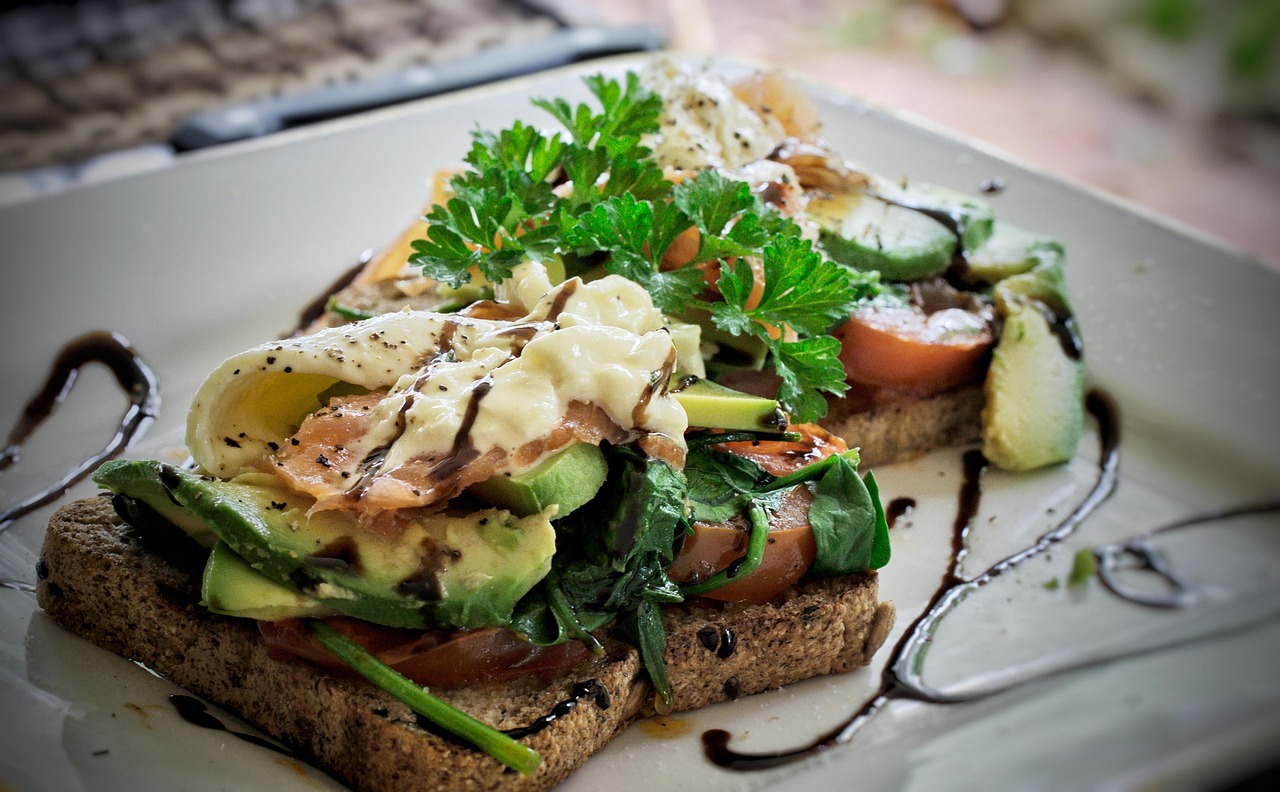
The generational divide over spending habits has come into sharp focus with the rise of avocado toast, a food that many Millennials and Gen Zers associate with their financial struggles. However, a closer look at the spending habits of Baby Boomers reveals that they never relied on such trendy items for their meals, highlighting a significant cultural shift in how food is perceived and consumed across generations.
The Avocado Toast Phenomenon
Avocado toast has become a cultural symbol for younger generations, often cited as an example of frivolous spending that detracts from saving for major life milestones such as home ownership. The dish, which combines a slice of toasted bread with smashed avocado, has gained immense popularity over the last decade, particularly among urban dwellers. As Millennials face increasing financial pressures, including student debt and rising housing costs, the perception that a simple breakfast item could be contributing to their financial woes has sparked a broader conversation about generational spending habits.
Baby Boomer Spending Patterns
In stark contrast to the current obsession with avocado toast, Baby Boomers grew up in a different economic climate that shaped their eating habits and financial choices. Born between 1946 and 1964, Boomers experienced post-World War II prosperity, which allowed them to have different priorities when it came to food. For many, meals were centered around family gatherings and traditional home-cooked dishes rather than the trend-driven, Instagram-worthy plates that characterize contemporary dining.
The Role of Convenience Foods
During the Baby Boomer era, convenience foods significantly influenced eating habits. The introduction of pre-packaged meals and quick snacks allowed families to balance busy schedules without sacrificing nutrition. Items like frozen dinners, canned soups, and instant noodles became staples in many households, reflecting a focus on practicality rather than culinary trends. This shift meant that Boomers did not have the same experience with niche, trendy food items like avocado toast, which often requires time and effort to prepare.
Generational Food Trends
Food trends are not just about taste; they also reflect broader societal changes. Baby Boomers often favored hearty, filling meals that provided value and sustenance. In contrast, Millennials and Gen Z are more inclined to explore global cuisines and adopt plant-based diets, often driven by health concerns and ethical considerations. This shift has led to the rise of foods like avocado toast, which aligns with both health trends and the desire for visually appealing meals on social media.
The Impact of Technology and Social Media
Social media has played a pivotal role in shaping food trends in recent years, and platforms like Instagram and TikTok have created a culture where aesthetically pleasing dishes can go viral. Young adults now share their meals online, contributing to a culture where food is as much about presentation as it is about taste. This phenomenon has led to the popularity of items like avocado toast, which is not only nutritious but also visually appealing. Baby Boomers, on the other hand, did not have the same technological influences during their formative years, leading to fundamentally different relationships with food and dining.
Economic Factors and Lifestyle Choices
Economic realities also play a critical role in shaping generational spending habits. Baby Boomers generally enjoyed lower housing costs and more job security during their early adulthood, allowing them to invest in homes and other long-term financial goals. In contrast, Millennials are grappling with skyrocketing college debt and a competitive job market, which influences their choices around spending, particularly on non-essential items like gourmet breakfast options. As a result, the financial pressures faced by younger generations create a lens through which they view food spending, often leading to the belief that small indulgences like avocado toast are a barrier to achieving larger financial goals.
Conclusion: A Reflection of Changing Values
The debate over avocado toast and its impact on financial stability is more than just about food; it reflects shifting values and priorities across generations. Baby Boomers never needed avocado toast because their culinary experiences and financial realities were vastly different from those of today’s younger generations. As the world continues to evolve, understanding these differences can lead to more constructive conversations about spending, saving, and the cultural significance of food in our lives.
Ultimately, the conversation surrounding avocado toast serves as a reminder that food is not just sustenance; it is also a reflection of our values, lifestyles, and the times we live in. As each generation navigates its unique challenges, the way we approach food will continue to evolve, highlighting the rich tapestry of our collective experiences.

As a mom of three busy boys, I know how chaotic life can get — but I’ve learned that it’s possible to create a beautiful, cozy home even with kids running around. That’s why I started Cultivated Comfort — to share practical tips, simple systems, and a little encouragement for parents like me who want to make their home feel warm, inviting, and effortlessly stylish. Whether it’s managing toy chaos, streamlining everyday routines, or finding little moments of calm, I’m here to help you simplify your space and create a sense of comfort.
But home is just part of the story. I’m also passionate about seeing the world and creating beautiful meals to share with the people I love. Through Cultivated Comfort, I share my journey of balancing motherhood with building a home that feels rich and peaceful — and finding joy in exploring new places and flavors along the way.