

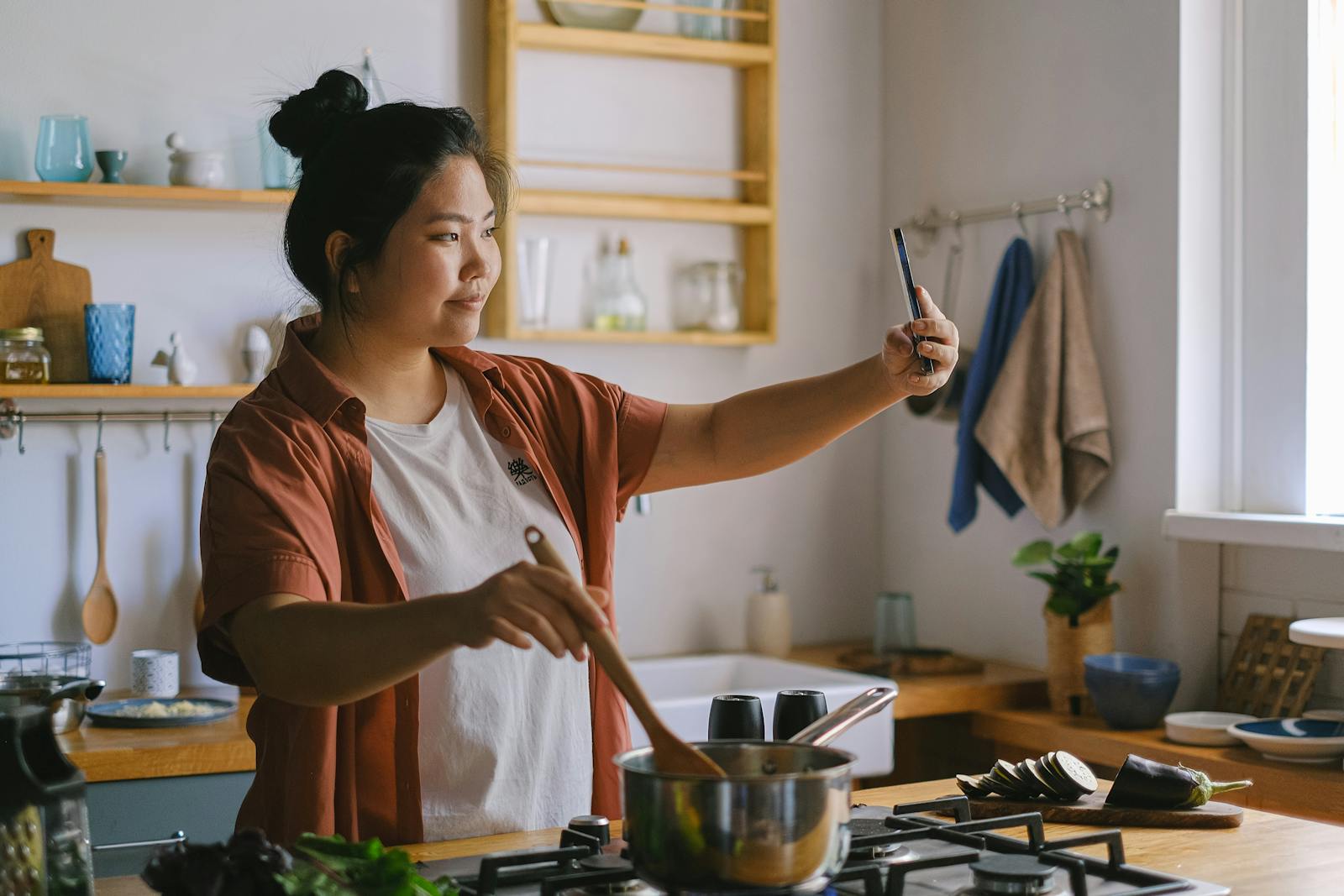
Millennials are reshaping the culinary landscape by reimagining classic dishes, a trend that affects consumers, food producers, and restaurants alike. This phenomenon is not just a whimsical return to childhood favorites; it reflects a deeper desire for innovation, sustainability, and nostalgia among this generation. As Millennials increasingly make their mark on the food industry, understanding their motivations can illuminate broader societal shifts in eating habits and food culture.
The Influence of Nostalgia
Nostalgia plays a significant role in why Millennials reinvent existing foods. Many grew up during a time of culinary exploration, where traditional recipes were often mixed with new ingredients or techniques. This desire to revisit childhood flavors while adding modern twists can be seen in the popularity of dishes like gourmet mac and cheese or artisanal pizza. By reinventing these foods, Millennials not only connect with their past but also create a sense of comfort in an increasingly unpredictable world.
Health and Wellness Trends
Health consciousness is another driving force behind this trend. As awareness of nutritional information and dietary restrictions has grown, Millennials are looking for healthier alternatives to traditional comfort foods. This has led to the emergence of variations like cauliflower crust pizza and vegan versions of classic desserts. By reimagining these dishes, Millennials can enjoy familiar flavors while adhering to their health goals, demonstrating that reinvention often aligns with a desire for healthier living.
Sustainability and Ethical Eating
Concerns about environmental impact are prompting Millennials to seek out sustainable food options. The push for plant-based diets and locally sourced ingredients has led to innovative takes on traditional dishes that prioritize sustainability. For example, a classic burger can be transformed into a plant-based version that appeals to environmentally conscious consumers. This shift not only challenges the food industry to adapt but also encourages a broader conversation about the future of food production and consumption.
Social Media’s Role
Sociocultural dynamics, particularly the influence of social media, cannot be overlooked in this trend. Platforms like Instagram and TikTok have made food presentation as important as taste, leading to the creation of visually striking dishes. Millennials have mastered the art of food photography, often reinventing classic recipes to make them more appealing on social media. This focus on aesthetics encourages culinary experimentation, pushing chefs and home cooks alike to explore new combinations and presentation styles.
Economic Factors and Accessibility
The economic landscape has also shaped Millennials’ approach to food. Faced with student debt and high living costs, many are looking for budget-friendly options that still deliver on flavor and experience. Reinventing existing foods allows for creativity without the need for expensive ingredients. For instance, using ramen noodles in unconventional ways—think ramen burgers or ramen salads—makes it possible to create unique and affordable meals that satisfy cravings and fit within a tight budget.
Supporting Local Economies
Another aspect of this culinary reinvention is the emphasis on supporting local businesses. Millennials are more likely to prioritize locally sourced ingredients, which has led to a resurgence of farmer’s markets and small-scale producers. By reinventing traditional dishes using local ingredients, they not only celebrate regional flavors but also contribute to their local economies. This approach fosters a sense of community and encourages a connection between consumers and their food sources.
The Role of Food Innovation
Innovation in the food industry is essential for meeting the evolving tastes and preferences of consumers. As Millennials continue to experiment with existing foods, they challenge chefs and food companies to keep pace with their creativity. This drive for innovation has led to a burgeoning market for unique food products and experiences, from food trucks offering fusion cuisine to gourmet restaurants serving deconstructed classics. The result is a dynamic food scene that continually evolves to reflect the tastes and values of younger generations.
Conclusion: A Culinary Revolution
The trend of Millennials reinventing existing foods is a reflection of their values, experiences, and aspirations. It combines nostalgia with a commitment to health, sustainability, and creativity, resulting in a culinary revolution that influences not only individual eating habits but also the broader food industry. As this generation continues to shape the future of food, their innovative spirit will likely inspire future generations to reimagine their own culinary traditions. Understanding these motivations can help us appreciate the complexities of modern food culture and the ongoing evolution of our dining experiences.

As a mom of three busy boys, I know how chaotic life can get — but I’ve learned that it’s possible to create a beautiful, cozy home even with kids running around. That’s why I started Cultivated Comfort — to share practical tips, simple systems, and a little encouragement for parents like me who want to make their home feel warm, inviting, and effortlessly stylish. Whether it’s managing toy chaos, streamlining everyday routines, or finding little moments of calm, I’m here to help you simplify your space and create a sense of comfort.
But home is just part of the story. I’m also passionate about seeing the world and creating beautiful meals to share with the people I love. Through Cultivated Comfort, I share my journey of balancing motherhood with building a home that feels rich and peaceful — and finding joy in exploring new places and flavors along the way.