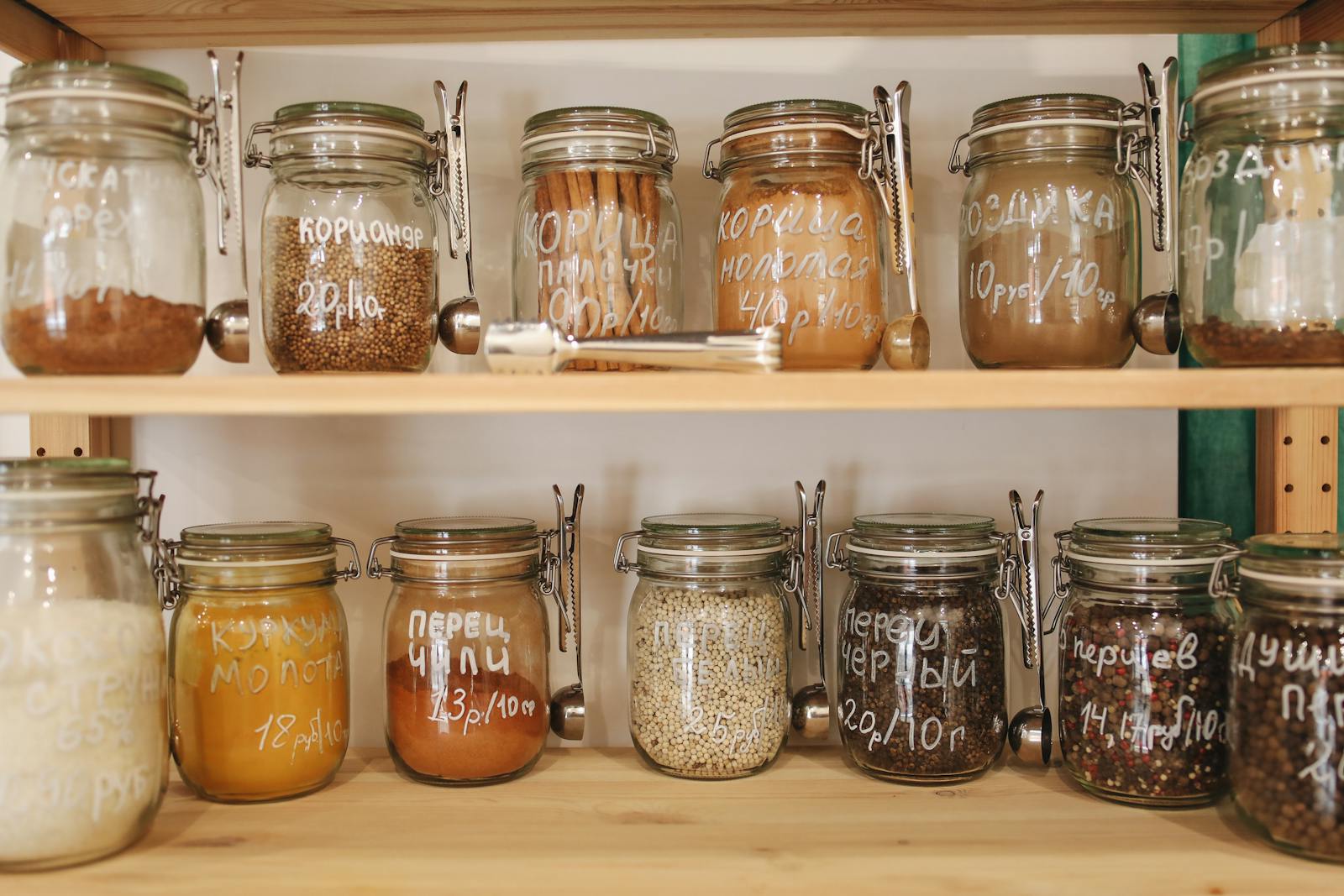
Photo by Polina TankilevitchRecent studies suggest that the way individuals stock their pantries can reflect deeper emotional states, affecting not only their eating habits but also their mental health. This discovery matters because it highlights the link between our food choices and underlying feelings, offering a unique perspective on how we manage stress, anxiety, and even joy in our lives. Understanding this connection can help people make informed decisions about their pantry habits and emotional well-being.
The Emotional Connection to Food Storage
Food storage is often viewed merely as a practical necessity, but psychological experts argue that it can also be a window into a person’s emotional landscape. An overstocked pantry may indicate a range of feelings from anxiety to a desire for control. By analyzing pantry contents, individuals can gain insights into their mental state and address emotional challenges more effectively.
1. Anxiety and Fear of Scarcity
One of the most common emotions tied to an overstuffed pantry is anxiety. Individuals who worry about running out of food or experiencing shortages may hoard items as a coping mechanism. This behavior can stem from past experiences of food insecurity or general anxiety about the future, highlighting the need for emotional support and reassurance.
2. Stress and Overwhelm
When life’s pressures build up, some people respond by overstocking their pantries. This can serve as a psychological buffer against stress, where the abundance of food provides a sense of comfort and security. However, this behavior might also lead to feelings of overwhelm, as managing an excessive amount of food can become another stressor.
3. Compulsive Behavior
For some, an overstocked pantry can be a sign of compulsive behavior. This might be linked to obsessive-compulsive tendencies where the act of collecting and organizing food becomes a way to exert control over one’s environment. Recognizing this pattern is crucial for addressing the underlying compulsive behaviors and promoting healthier habits.
4. Joy and Anticipation
On a more positive note, an overstocked pantry can also reflect feelings of joy and anticipation. Individuals who enjoy cooking may stockpile ingredients to explore new recipes and culinary adventures. This proactive approach can enhance creativity in the kitchen, turning food preparation into a joyful experience rather than merely a chore.
5. Nostalgia and Sentimental Attachment
Food often carries sentimental value, and many people stock their pantries with items that evoke fond memories. This can include family recipes or ingredients tied to cultural traditions. While this can create a comforting atmosphere, it may also lead to an overabundance of items that have lost their practicality, indicating a need to let go of the past.
6. Desire for Control
In uncertain times, the act of overstocking a pantry can signify a desire for control. Individuals may feel powerless in other aspects of their lives and turn to food as a means to regain a sense of stability. This behavior underscores the importance of finding healthy outlets for feelings of helplessness and ensuring that food management does not become a source of additional anxiety.
7. Social Influence and Comparison
Social media and cultural norms can drive individuals to overstock their pantries, often fueled by comparisons with others. The desire to keep up with trends, such as the latest cooking fads or health-oriented diets, can lead to excessive purchases. Recognizing this influence is crucial in fostering a healthier relationship with food and lessening the pressure to conform.
8. Indulgence and Reward
For many, food serves as a form of reward, and an overstocked pantry may indicate a tendency to indulge in comfort eating. This can stem from a desire to treat oneself in times of stress or as a means of self-soothing. While it’s natural to seek comfort in food, it’s important to balance indulgence with mindful eating practices to promote overall health.
9. Preparation for Gatherings
During festive seasons or family gatherings, individuals might stock their pantries as a way to prepare for social events. This behavior reflects a desire to nurture relationships through food, highlighting the communal aspect of eating. However, it can also lead to excess if not managed well, necessitating a balance between preparation and practicality.

As a mom of three busy boys, I know how chaotic life can get — but I’ve learned that it’s possible to create a beautiful, cozy home even with kids running around. That’s why I started Cultivated Comfort — to share practical tips, simple systems, and a little encouragement for parents like me who want to make their home feel warm, inviting, and effortlessly stylish. Whether it’s managing toy chaos, streamlining everyday routines, or finding little moments of calm, I’m here to help you simplify your space and create a sense of comfort.
But home is just part of the story. I’m also passionate about seeing the world and creating beautiful meals to share with the people I love. Through Cultivated Comfort, I share my journey of balancing motherhood with building a home that feels rich and peaceful — and finding joy in exploring new places and flavors along the way.