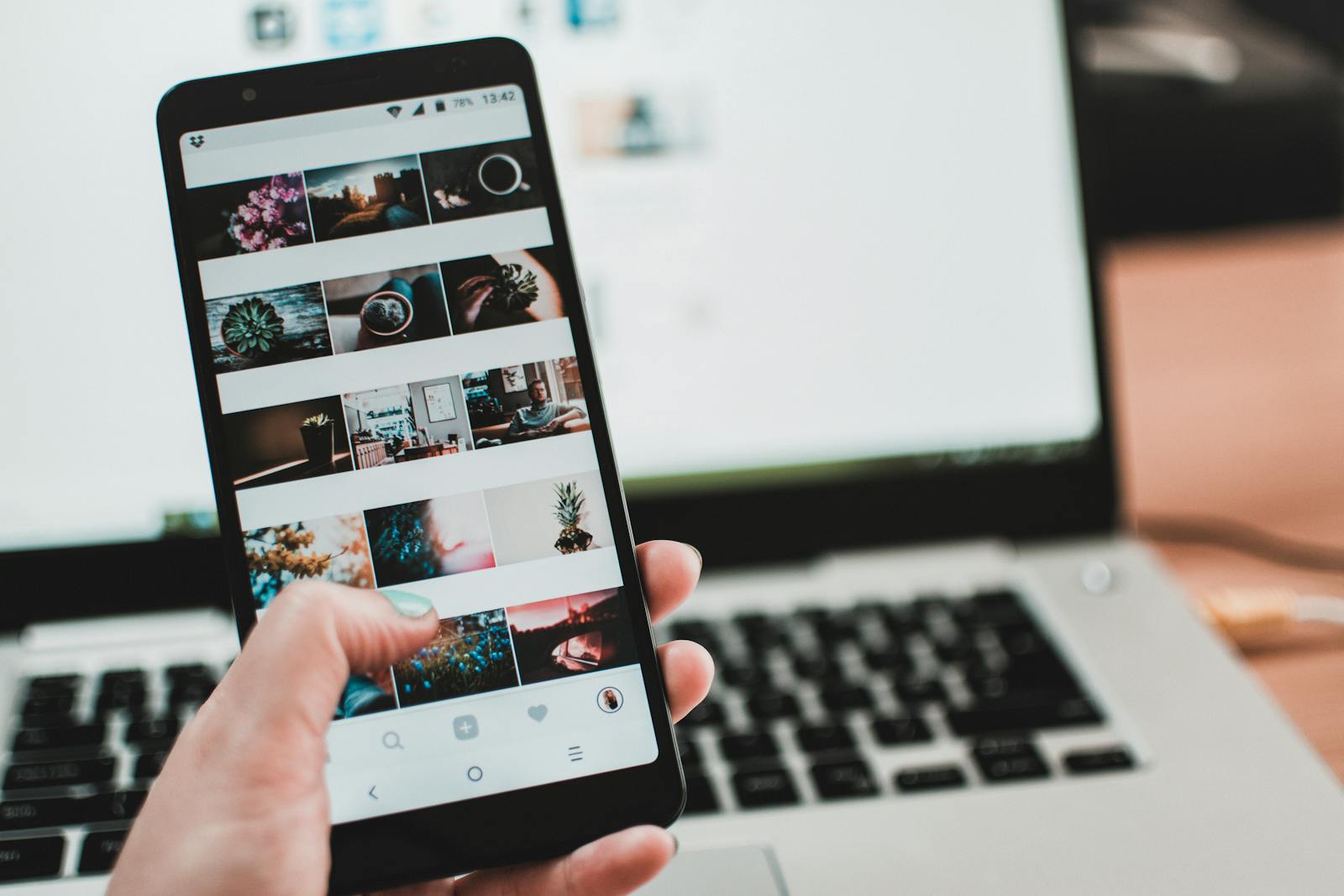
In today’s digital age, oversharing personal information online can have serious repercussions, affecting your privacy, safety, and even mental health. As social media platforms continue to evolve, users must be mindful of the content they share, especially as data breaches and online harassment become increasingly common. Here are ten areas where individuals should reconsider their tendency to share too much.
1. Personal Identification Information
One of the most critical areas to avoid oversharing is personal identification information, such as your full name, address, phone number, and Social Security number. This information can be exploited by identity thieves and scammers. Even seemingly harmless details can lead to serious consequences, so it is best to keep this information private.
2. Financial Information
Sharing financial information, including your bank details, credit card numbers, or even your salary, can make you vulnerable to fraud. Many users unknowingly expose themselves by discussing financial struggles or posting images of financial documents. Be cautious about what you reveal, as financial security is paramount.
3. Relationship Status and Details
While it may be tempting to post about your romantic relationships, oversharing can lead to complications. Constantly updating your relationship status or airing grievances can create unnecessary drama and affect your personal relationships offline. It’s often wiser to keep sensitive discussions for private conversations.
4. Health Issues
Discussing health problems online can be a double-edged sword. While some seek support through shared experiences, oversharing can expose you to unsolicited advice or judgment. Additionally, personal health information can be misused by others. It is essential to strike a balance between seeking help and maintaining your privacy.
5. Location and Travel Plans
Posting your location or upcoming travel plans can inadvertently invite trouble. Sharing your whereabouts in real-time can alert potential burglars that your home is unoccupied. Instead, consider waiting until you return to share your experiences or use privacy settings to limit who can see your posts.
6. Family Matters
Family dynamics can be complex, and sharing too much about family issues can lead to misunderstandings or conflict. Discussing sensitive topics, like divorce or parenting challenges, publicly can harm relationships and affect family members who may not want their personal lives broadcasted. Keeping family matters private is often a sign of respect.
7. Workplace Issues
Oversharing about your job, colleagues, or workplace frustrations can harm your professional reputation. Employers increasingly monitor social media, and negative comments about your job can lead to disciplinary actions. It’s usually best to maintain professionalism online and keep workplace discussions private.
8. Personal Opinions on Social Issues
While expressing your views on social issues is important, oversharing can sometimes lead to heated debates or backlash. Sharing strong opinions may alienate friends or colleagues who hold differing views. It’s crucial to engage in constructive discussions while being aware of the potential impact of your words.
9. Everyday Life Details
Detailing every aspect of your daily life, such as meals, errands, or outfits, can dilute the significance of your posts. While sharing highlights can be fun, over-posting can lead to fatigue among your followers. Consider curating your content to maintain interest and relevance.
10. Emotional Struggles
Sharing your emotional struggles can be therapeutic, but oversharing can attract unwanted attention or stigma. While seeking support is valuable, it’s important to protect your mental health by choosing carefully what you want to disclose. Consider discussing deeper issues with trusted friends or professionals rather than on public forums.
The Importance of Digital Privacy
In an era where digital footprints are permanent, understanding the implications of oversharing is essential. Personal information can be easily exploited, leading to identity theft, harassment, or emotional distress. By being mindful of what you share, you can protect not only your privacy but also your overall well-being.
Conclusion
Oversharing online is a common pitfall for many users, but it’s crucial to remain vigilant about the information you disclose. By avoiding these ten areas of oversharing, you can maintain your privacy, protect your relationships, and cultivate a positive online presence. Remember, it’s always better to err on the side of caution when it comes to sharing personal information online.

As a mom of three busy boys, I know how chaotic life can get — but I’ve learned that it’s possible to create a beautiful, cozy home even with kids running around. That’s why I started Cultivated Comfort — to share practical tips, simple systems, and a little encouragement for parents like me who want to make their home feel warm, inviting, and effortlessly stylish. Whether it’s managing toy chaos, streamlining everyday routines, or finding little moments of calm, I’m here to help you simplify your space and create a sense of comfort.
But home is just part of the story. I’m also passionate about seeing the world and creating beautiful meals to share with the people I love. Through Cultivated Comfort, I share my journey of balancing motherhood with building a home that feels rich and peaceful — and finding joy in exploring new places and flavors along the way.