In a world increasingly focused on health and nutrition, many consumers are unwittingly choosing foods marketed as “healthy” that can be more detrimental to their wellbeing than their traditional counterparts. This misstep affects millions of individuals striving for better diets, underscoring the importance of informed food choices. Here’s a closer look at seven commonly perceived healthy foods that may not be as beneficial as they appear.
1. Whole Grain Bread vs. White Bread
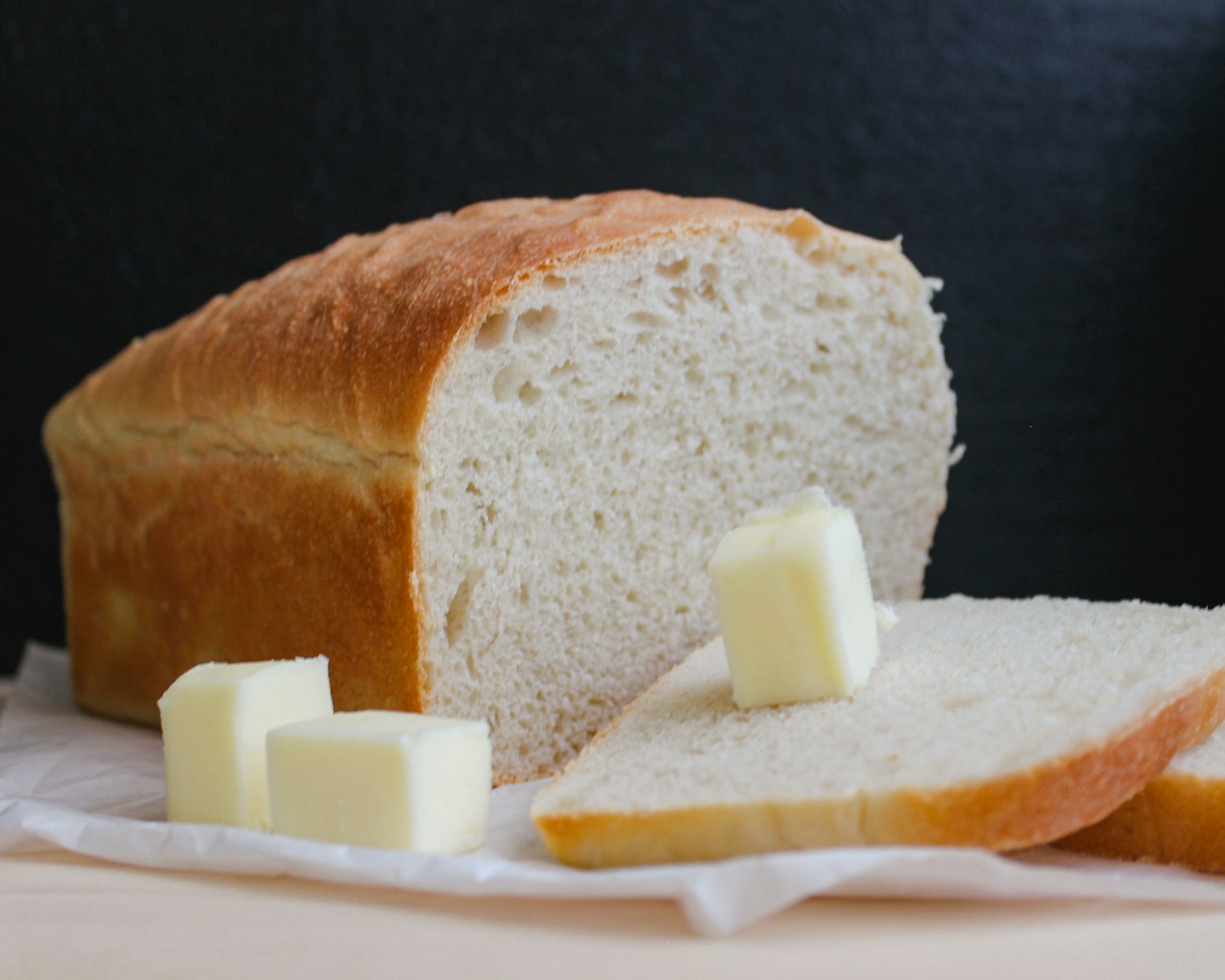
Whole grain bread is often lauded for its health benefits, including higher fiber content and essential nutrients. However, many commercially produced whole grain breads contain added sugars and preservatives that can negate these advantages. In some cases, they may have similar caloric content and glycemic indexes to white bread, leading to spikes in blood sugar levels.
2. Fruit Juices vs. Whole Fruits
Fruit juices are frequently marketed as a healthy beverage choice, but they can be misleading. Many juices, even those labeled as “100% juice,” lack the fiber found in whole fruits and are often high in sugars. This can lead to increased calorie consumption and less satiety, making it easier to overindulge compared to eating whole fruits, which provide essential nutrients and fiber.
3. Low-Fat Yogurt vs. Full-Fat Yogurt
Low-fat yogurts may seem like the healthier option due to their reduced fat content, but they often contain added sugars to enhance flavor. These added sugars can counteract any benefits from the lower fat content. In contrast, full-fat yogurt has been shown to promote feelings of fullness, which can help in managing overall caloric intake.
4. Granola vs. Cereal
Granola is frequently regarded as a health food, but many varieties are loaded with sugars and unhealthy fats. While it may contain oats and nuts, a single serving can easily exceed the caloric count of traditional cereals. Opting for plain oatmeal or whole grain cereals can provide similar health benefits without the excessive sugar and calories.
5. Energy Bars vs. Homemade Snacks
Energy bars are often seen as a convenient and healthy snack, but many contain high levels of sugars, artificial ingredients, and unhealthy fats. The marketing can obscure the fact that some bars are akin to candy bars in terms of calorie and sugar content. Homemade snacks, such as nuts or whole fruits, provide better nutrition without the added sugars and preservatives.
6. Salad Dressings vs. Olive Oil and Vinegar
Many salad dressings, especially those labeled as “light” or “low-fat,” can be deceptively unhealthy. They often contain added sugars, preservatives, and unhealthy oils that can increase calorie content while offering little in terms of nutrition. A simple mix of olive oil and vinegar can provide healthy fats and flavor without the unnecessary additives found in many commercial dressings.
7. Plant-Based Burgers vs. Traditional Beef Burgers
Plant-based burgers are frequently promoted as a healthier alternative to traditional beef burgers, but they can be highly processed and packed with sodium and unhealthy fats. While they may be lower in saturated fat, many brands add ingredients that can diminish their nutritional quality. Real, grass-fed beef offers protein and essential nutrients without the processing found in many plant-based options.
Conclusion
As consumers navigate the complexities of healthy eating, it’s essential to be vigilant about food labeling and marketing claims. Many foods that appear to be health-conscious choices can actually contain hidden ingredients that may be worse than their original counterparts. By opting for whole, minimally processed foods, individuals can better support their health and make informed dietary decisions.
In the quest for health, knowledge is power. Understanding the nutritional content of what we consume ensures that our choices truly align with our health goals. Choosing wisely can lead to better health outcomes, making it imperative to look beyond marketing slogans and focus on real nutritional value.

As a mom of three busy boys, I know how chaotic life can get — but I’ve learned that it’s possible to create a beautiful, cozy home even with kids running around. That’s why I started Cultivated Comfort — to share practical tips, simple systems, and a little encouragement for parents like me who want to make their home feel warm, inviting, and effortlessly stylish. Whether it’s managing toy chaos, streamlining everyday routines, or finding little moments of calm, I’m here to help you simplify your space and create a sense of comfort.
But home is just part of the story. I’m also passionate about seeing the world and creating beautiful meals to share with the people I love. Through Cultivated Comfort, I share my journey of balancing motherhood with building a home that feels rich and peaceful — and finding joy in exploring new places and flavors along the way.