Once synonymous with quality and reliability, several grocery brands have seen a decline in their reputations, affecting consumer trust and purchasing decisions. As shoppers become increasingly discerning about their food choices, they often reflect on brands that have changed over the years. This article highlights seven grocery brands that once represented premium quality but have since lost their luster, prompting a shift in consumer behavior and loyalty.
1. Kraft Foods
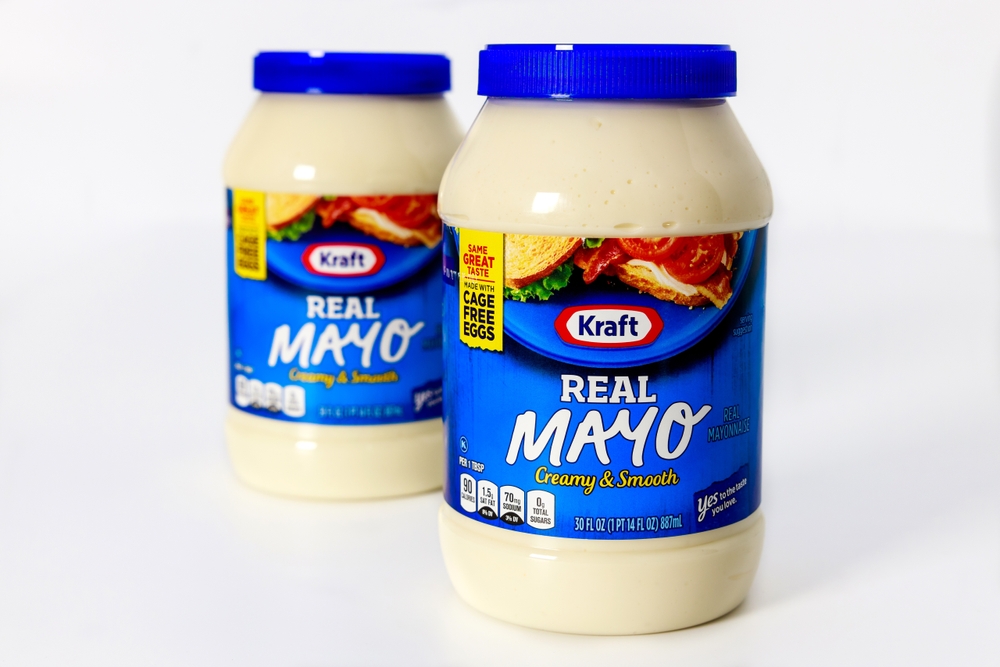
Kraft Foods has long been a staple in American households, known for its mac and cheese, cheese products, and various condiments. However, over the past decade, the brand has faced criticism for changing its formulations to include artificial ingredients and preservatives. Many consumers feel that the quality of Kraft products has declined, causing them to seek alternatives that prioritize natural ingredients.
2. Hunt’s Tomatoes
Hunt’s Tomatoes has been a trusted name in canned tomatoes and sauces for generations. The brand was once celebrated for its rich flavor and quality standards, but recent changes in production and sourcing have led to concerns about taste consistency and quality. With consumers increasingly turning to organic and locally sourced options, Hunt’s has struggled to maintain its former reputation.
3. Jiffy Corn Muffin Mix
Jiffy Corn Muffin Mix has been a beloved pantry item for many home cooks, known for its ease of use and classic flavor. However, recent reports have indicated that the quality of the mix has diminished over time, with changes in ingredients and texture. Loyal customers are now questioning whether the product still lives up to the quality they once associated with the brand.
4. Marie Callender’s
Marie Callender’s meals were once the go-to for comfort food lovers seeking a quick and satisfying option. However, many consumers have noted a decline in taste and quality, particularly in the frozen meal segment. As health-conscious choices become more prevalent, the brand has struggled to keep pace with competitors that offer fresher and more nutritious alternatives.
5. Del Monte
Del Monte has been a trusted name in canned fruits and vegetables for decades. However, as consumers increasingly prefer fresh and organic produce, Del Monte has faced challenges in maintaining its market position. The brand’s shift towards lower-quality ingredients and packaging has led to a perception of decreased quality, pushing many consumers to opt for other brands that emphasize freshness and sustainability.
6. Pillsbury
Pillsbury has been a household name in baking for generations, known for its ready-to-bake products and mixes. However, recent changes to formulas and the introduction of additives have led to mixed reviews from consumers. The nostalgia associated with Pillsbury products is now overshadowed by concerns over the quality and healthiness of their offerings, prompting bakers to explore alternative brands that prioritize wholesome ingredients.
7. Betty Crocker
Betty Crocker has been a symbol of home baking and cooking for many families. Despite its long-standing reputation, the brand has faced scrutiny for its pre-packaged mixes and frozen foods, which some consumers believe have lost their original flavor and quality. As the demand for clean-label products grows, Betty Crocker is finding it increasingly difficult to compete with brands that focus on natural and organic ingredients.
The Impact of Changing Consumer Preferences
The decline in quality perception of these brands highlights a broader trend in the grocery industry. Consumers are becoming more health-conscious and are prioritizing transparency in food sourcing and ingredient quality. As a result, brands that once enjoyed unwavering loyalty must adapt to changing preferences or risk losing their customer base.
Challenges in the Grocery Industry
These shifts in consumer behavior present significant challenges for grocery brands. Many companies are grappling with rising production costs, leading them to cut corners in sourcing and manufacturing. This can result in a decline in quality that alienates long-time customers, as seen with several established brands.
What Consumers Can Do
For consumers, being proactive about food choices can make a difference. Reading labels, researching brands, and supporting local or organic products can help ensure that they are purchasing high-quality items. Additionally, engaging with brands on social media can provide valuable feedback that may influence positive changes in product quality.

As a mom of three busy boys, I know how chaotic life can get — but I’ve learned that it’s possible to create a beautiful, cozy home even with kids running around. That’s why I started Cultivated Comfort — to share practical tips, simple systems, and a little encouragement for parents like me who want to make their home feel warm, inviting, and effortlessly stylish. Whether it’s managing toy chaos, streamlining everyday routines, or finding little moments of calm, I’m here to help you simplify your space and create a sense of comfort.
But home is just part of the story. I’m also passionate about seeing the world and creating beautiful meals to share with the people I love. Through Cultivated Comfort, I share my journey of balancing motherhood with building a home that feels rich and peaceful — and finding joy in exploring new places and flavors along the way.