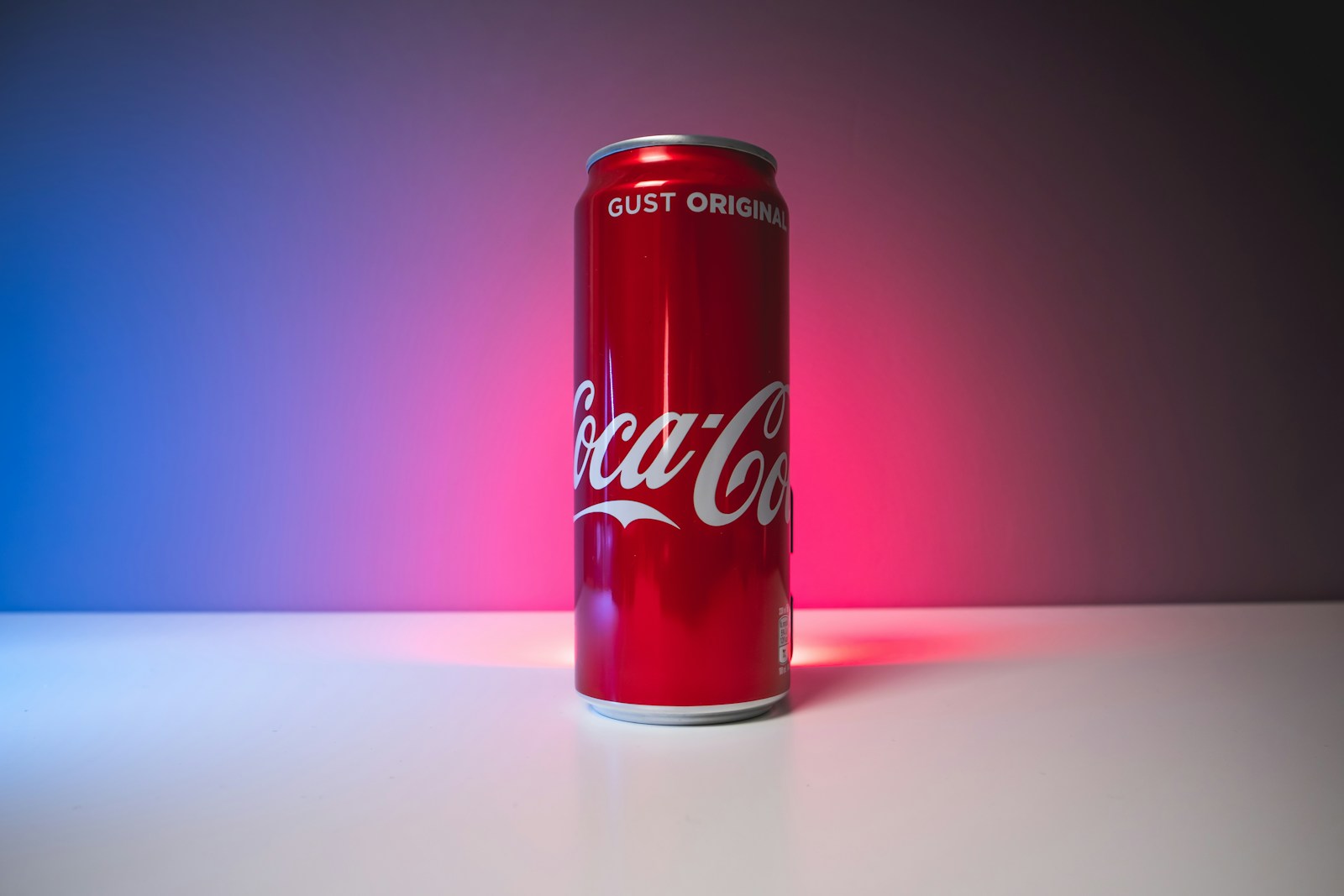
The beverage industry has seen a significant shift in recent years with the rise of “zero sugar” options, impacting the taste and quality of many popular drinks. Consumers seeking healthier alternatives have sparked a trend that prioritizes artificial sweeteners over traditional flavors, leading to widespread dissatisfaction among loyal drinkers. This change not only affects taste but also raises concerns about the long-term health implications of these substitutes.
1. Coca-Cola
Coca-Cola has long been a staple in the soft drink market, known for its distinct flavor that many associate with nostalgia. However, the introduction of Coca-Cola Zero Sugar aimed to capture a health-conscious audience by eliminating sugar. While some appreciate the attempt to provide a lower-calorie option, many longtime fans argue that the new formulation lacks the rich, caramel-like flavor profile of the original, leaving drinkers yearning for the classic taste they grew up with.
2. Pepsi
Pepsi made a similar move with Pepsi Zero Sugar, attempting to provide a comparable experience to its sugary counterpart. The brand’s commitment to a zero-sugar formula has drawn in consumers looking to cut calories, but the response has been mixed. Critics assert that the artificial sweeteners used in Pepsi Zero do not replicate the bold and refreshing flavor of the original Pepsi, resulting in a drink that feels flat and unsatisfying.
3. Dr Pepper
Known for its unique blend of 23 flavors, Dr Pepper has garnered a dedicated following since its inception. The introduction of Dr Pepper Zero Sugar aimed to cater to those seeking a sugar-free version of this iconic beverage. However, many fans express disappointment, claiming that the zero-sugar variant lacks the complexity and depth that made the original so beloved. The quest for a guilt-free option has left some feeling that they’ve lost a part of their Dr Pepper experience.
4. Mountain Dew
Mountain Dew has always been celebrated for its vibrant citrus flavor and high energy boost. The emergence of Mountain Dew Zero Sugar was intended to provide a zero-calorie alternative for fans. Regrettably, the new formula has faced backlash, with many consumers stating that it tastes overly artificial and lacks the bold, zesty kick of its predecessor. For a drink that once represented fun and adventure, the shift to zero sugar has dulled its appeal.
5. Sprite
Sprite, known for its crisp and refreshing lemon-lime taste, has also jumped on the zero-sugar bandwagon with Sprite Zero Sugar. While the brand aims to appeal to health-conscious consumers, the feedback has been less than favorable. Many drinkers report that the new formulation is overly sweetened with artificial ingredients, detracting from the clean and refreshing taste that made Sprite a go-to beverage for many. The result is a diluted experience that leaves fans reminiscing about the original.
6. Fanta
Fanta has delighted consumers with its fruity flavors for decades. The introduction of Fanta Zero Sugar was an attempt to cater to those who want a fruity beverage without the calories. However, many fans have noted that the zero-sugar versions lack the vibrancy and authenticity of the classic flavors. The artificial sweeteners used in the zero-sugar variants have altered the taste profile, making it a less enjoyable option for those who once cherished the bold fruitiness of Fanta.
7. Gatorade
Gatorade has been a leading sports drink for years, known for its ability to replenish electrolytes and provide hydration. The launch of Gatorade Zero was aimed at athletes seeking a low-calorie option. However, some users have pointed out that the zero-sugar formulation lacks the satisfying sweetness and flavor intensity of the original, which can be crucial during intense training sessions. For athletes who rely on the brand for performance, the change has sparked debates about the effectiveness of the zero-sugar variant.
Conclusion
The trend towards zero-sugar options in beverages reflects a broader shift in consumer preferences towards healthier choices. While the intention behind these formulations is commendable, the outcome has left many loyal drinkers feeling disappointed. As beverage companies continue to innovate, the challenge remains to strike a balance between health and taste, ensuring that consumers do not have to sacrifice flavor for a healthier lifestyle. The ongoing conversation about these drinks serves as a reminder that taste and quality should not be overlooked in the pursuit of healthier alternatives.

As a mom of three busy boys, I know how chaotic life can get — but I’ve learned that it’s possible to create a beautiful, cozy home even with kids running around. That’s why I started Cultivated Comfort — to share practical tips, simple systems, and a little encouragement for parents like me who want to make their home feel warm, inviting, and effortlessly stylish. Whether it’s managing toy chaos, streamlining everyday routines, or finding little moments of calm, I’m here to help you simplify your space and create a sense of comfort.
But home is just part of the story. I’m also passionate about seeing the world and creating beautiful meals to share with the people I love. Through Cultivated Comfort, I share my journey of balancing motherhood with building a home that feels rich and peaceful — and finding joy in exploring new places and flavors along the way.