

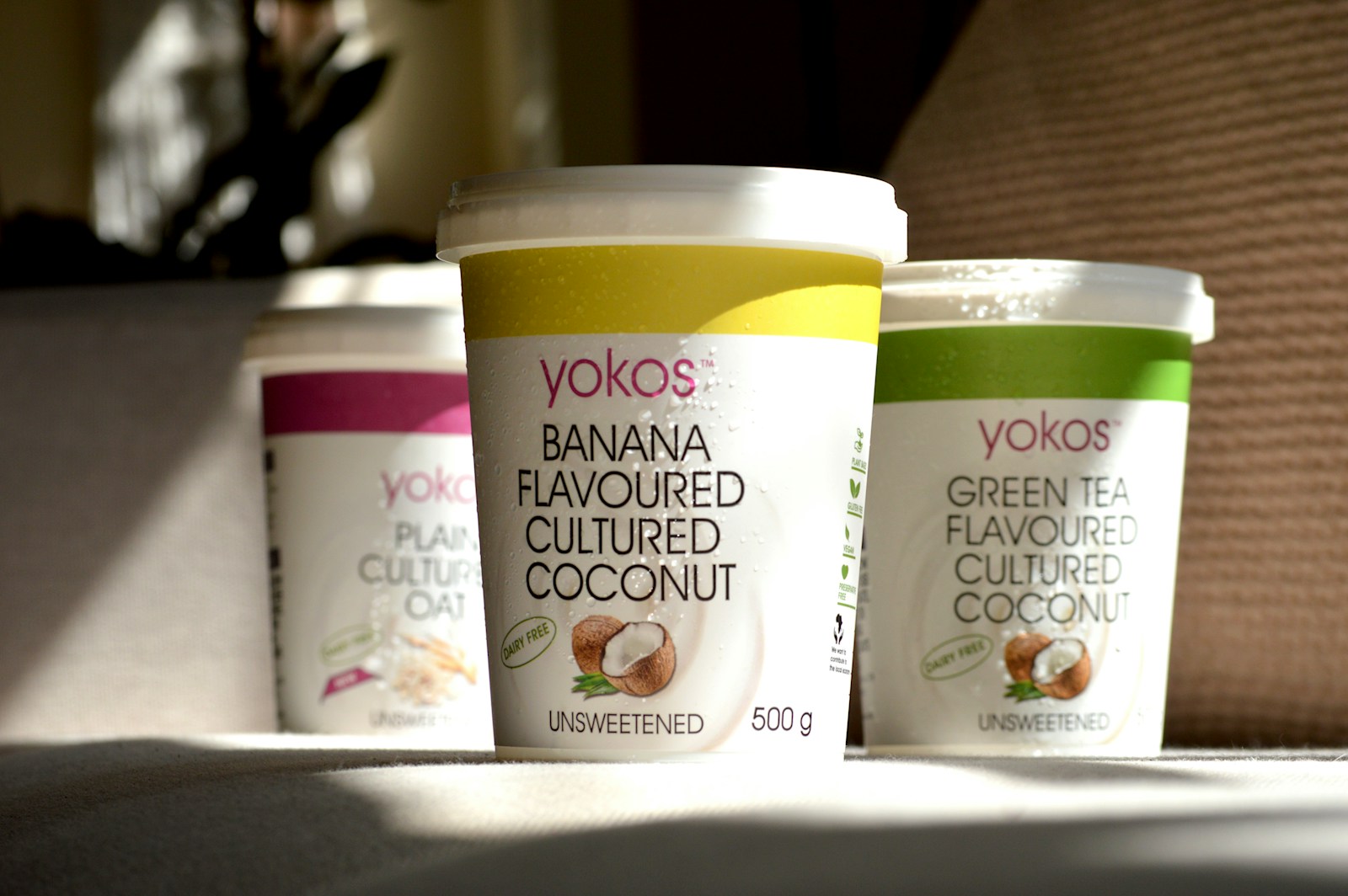
Many consumers are unknowingly consuming high amounts of sugar through foods marketed as “healthy,” which can lead to serious health implications such as obesity, diabetes, and heart disease. This growing concern affects a broad swath of the population, especially those striving to maintain a balanced diet. Understanding which of these seemingly nutritious options are actually laden with sugar is crucial for making informed dietary choices.
1. Granola and Granola Bars
Granola and granola bars are often touted as healthy breakfast or snack options, but many commercial varieties are loaded with added sugars. A single serving can contain as much as 20 grams of sugar, particularly those with honey, maple syrup, or chocolate chips. When choosing granola, it’s essential to read the labels carefully and opt for brands with minimal added sugars or consider making your own at home.
2. Flavored Yogurt
Flavored yogurts can be deceptively high in sugar, with some popular brands containing upwards of 25 grams per serving. While yogurt is a good source of protein and probiotics, the added sugars in flavored varieties diminish their health benefits. Opting for plain yogurt and adding fresh fruit or a drizzle of honey can provide a healthier alternative without the excess sugar.
3. Fruit Smoothies
Fruit smoothies can be a nutritious choice, but many commercially prepared versions contain significant amounts of added sugars, syrups, or fruit juices. A typical store-bought smoothie can have over 30 grams of sugar, which can negate the health benefits of the fruits used. When making smoothies at home, it’s advisable to use whole fruits and limit the addition of sweeteners to keep sugar levels in check.
4. Whole Wheat Bread
Whole wheat bread is commonly perceived as a healthier option compared to white bread, but some brands add sugar to enhance flavor and shelf life. A slice of whole wheat bread can contain 1-3 grams of sugar, which adds up if you consume multiple slices. Reading ingredient labels can help identify breads that use natural sweeteners or none at all, offering a more genuine whole grain experience.
5. Salad Dressings
Many salad dressings, especially those labeled as “light” or “fat-free,” often compensate for the lack of fat with added sugar. Some popular vinaigrettes can contain up to 5 grams of sugar per serving, which can quickly add up if you’re generous with your dressing. Opting for homemade dressings with olive oil, vinegar, and herbs can provide flavor without the unnecessary sugar.
6. Nut Butters
Nut butters are a great source of protein and healthy fats, but many commercially available varieties are sweetened with sugar or honey. Some popular brands contain added sugars that can elevate the sugar content to over 5 grams per serving. Consumers should look for natural nut butters that contain only nuts and maybe a pinch of salt to avoid the hidden sugars.
7. Energy and Protein Bars
Energy and protein bars are marketed as convenient healthy snacks, but many are packed with sugar to enhance taste. Some bars can contain as much as 20 grams of sugar, often derived from syrups and sweeteners. It’s advisable to scrutinize the nutrition labels and ingredient lists, opting for bars with low sugar content or making homemade versions to better control the ingredients.
Conclusion
Awareness of sugar content in foods marketed as healthy is essential for maintaining a balanced diet. While these seven foods may seem like good choices, many contain added sugars that can contribute to negative health outcomes. Consumers are encouraged to read labels carefully, choose whole and natural options when possible, and prioritize homemade foods to avoid the hidden sugars that can derail their health goals.
As the public becomes more health-conscious, understanding the true nature of food labeling is vital. Educating oneself about what constitutes a healthy diet can empower individuals to make choices that genuinely support their health and well-being.

As a mom of three busy boys, I know how chaotic life can get — but I’ve learned that it’s possible to create a beautiful, cozy home even with kids running around. That’s why I started Cultivated Comfort — to share practical tips, simple systems, and a little encouragement for parents like me who want to make their home feel warm, inviting, and effortlessly stylish. Whether it’s managing toy chaos, streamlining everyday routines, or finding little moments of calm, I’m here to help you simplify your space and create a sense of comfort.
But home is just part of the story. I’m also passionate about seeing the world and creating beautiful meals to share with the people I love. Through Cultivated Comfort, I share my journey of balancing motherhood with building a home that feels rich and peaceful — and finding joy in exploring new places and flavors along the way.