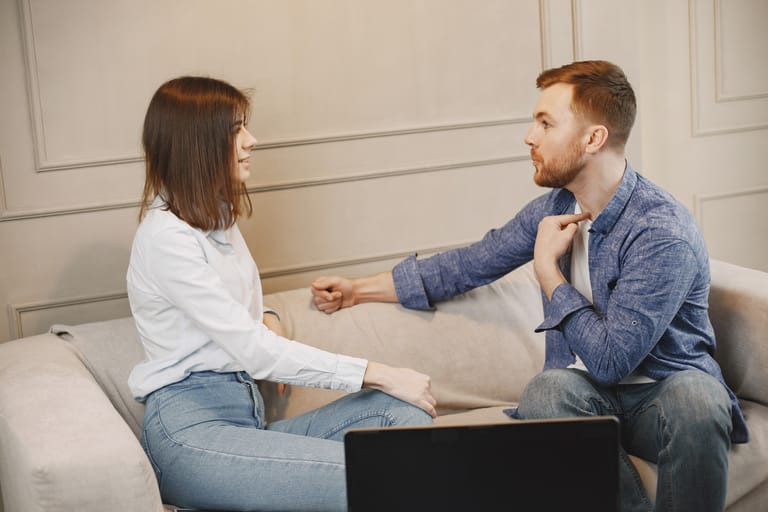

Friendships, often celebrated for their support and understanding, can sometimes take a turn when jealousy creeps in. Recognizing the subtle signs of jealousy is essential for maintaining healthy relationships, as passive-aggressive behaviors can create rifts among friends. This article explores six common passive-aggressive actions that friends may exhibit when feeling envious, helping readers navigate these tricky situations more effectively.
1. Silent Treatment
One of the most common passive-aggressive behaviors in friendships is the silent treatment. When a friend feels jealousy, they might resort to ignoring texts or calls, leaving the other person feeling confused and anxious. This behavior can stem from a desire to express hurt without directly confronting the issue, leading to unresolved tension and further misunderstandings.
2. Backhanded Compliments
Backhanded compliments are another hallmark of passive-aggressive jealousy. A friend may say something like, “You’re so lucky to find time for yourself; I wish I could be that carefree,” which appears friendly on the surface but carries an underlying message of resentment. Such comments can undermine confidence and foster feelings of inadequacy, making it crucial to recognize them for what they are: veiled expressions of envy.
3. Social Media Sabotage
In the age of social media, passive-aggressive jealousy can manifest in various online behaviors. Friends might unfollow or mute each other, post vague statuses that hint at their feelings, or even brag about their own accomplishments in a seemingly innocent way. This digital distancing can create a toxic environment, as it often leads to speculation and heightened emotional tension.
4. Canceling Plans Last Minute
When jealousy arises, a friend might frequently cancel plans at the last minute. This behavior can signal that they are struggling with feelings of insecurity, particularly if they perceive that their friend is enjoying life or achieving milestones that they are not. Canceling plans can hurt the other person, leaving them to question the strength of the friendship and the sincerity of the canceled plans.
5. Overly Critical Feedback
Jealous friends may begin to offer overly critical feedback as a way to mask their feelings of inadequacy. For example, they might comment on a friend’s achievements with criticisms rather than encouragement, subtly undermining the friend’s accomplishments. This behavior can be damaging, as it creates a hostile environment where one person feels they must constantly defend their successes.
6. Competing for Attention
Lastly, some friends may engage in competition for attention, often under the guise of friendly banter. They might try to one-up each other in conversations or share stories that outshine the other’s experiences. This competitive spirit can lead to resentment and a breakdown in communication, as one person may feel that their achievements are consistently dismissed or overshadowed.
Understanding the Roots of Jealousy
Recognizing these passive-aggressive behaviors is crucial to addressing jealousy in friendships. Understanding that jealousy often stems from personal insecurities can help friends communicate more openly about their feelings. Open dialogue can pave the way for healing and understanding, transforming jealousy into a chance for growth rather than conflict.
How to Address Passive-Aggressive Behavior
Addressing passive-aggressive behavior requires a thoughtful approach. Initiating a calm conversation about observed behaviors can sometimes diffuse tension. It’s essential to approach the topic without accusations, focusing instead on how certain actions have made you feel. This helps to create a safe space for both parties to express their feelings and concerns.
Building Stronger Friendships
Ultimately, friendships thrive on honesty, trust, and mutual support. By recognizing and addressing passive-aggressive behaviors stemming from jealousy, friends can work together to strengthen their bond. Learning to celebrate each other’s successes rather than resenting them can foster a more positive and supportive relationship.
In conclusion, jealousy can be a complex issue within friendships, leading to various passive-aggressive behaviors that can damage relationships. By identifying these behaviors early and promoting open communication, friends can navigate jealousy more effectively and maintain the health of their bonds. Understanding that everyone experiences jealousy at some point can also foster empathy, allowing friends to move past these challenges together.

As a mom of three busy boys, I know how chaotic life can get — but I’ve learned that it’s possible to create a beautiful, cozy home even with kids running around. That’s why I started Cultivated Comfort — to share practical tips, simple systems, and a little encouragement for parents like me who want to make their home feel warm, inviting, and effortlessly stylish. Whether it’s managing toy chaos, streamlining everyday routines, or finding little moments of calm, I’m here to help you simplify your space and create a sense of comfort.
But home is just part of the story. I’m also passionate about seeing the world and creating beautiful meals to share with the people I love. Through Cultivated Comfort, I share my journey of balancing motherhood with building a home that feels rich and peaceful — and finding joy in exploring new places and flavors along the way.