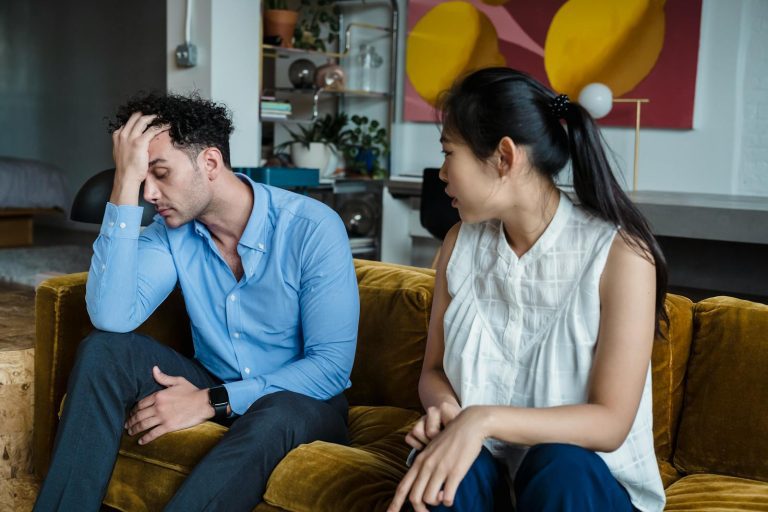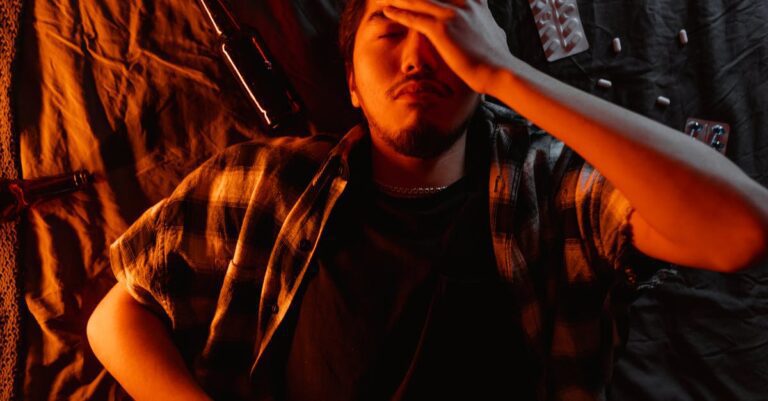
Many people experience friendships that may not be as balanced as they appear, leading to feelings of resentment and dissatisfaction. Recognizing the signs of an unequal friendship is crucial for maintaining healthy relationships and ensuring that both parties benefit from the connection. This article outlines six key indicators that you may be in an imbalanced friendship, affecting your emotional well-being and social life.
1. One-Sided Communication
If you find yourself consistently initiating conversations and making plans while your friend rarely reciprocates, it can signal an unequal friendship. Healthy friendships involve mutual communication, where both parties share their thoughts and feelings openly. If the effort seems lopsided, you may be investing more emotional energy than your friend is willing to give.
Consider tracking your interactions over a few weeks. If you notice that you are always the one reaching out, it could indicate that your friend is not as invested in the relationship. An imbalance in communication can lead to feelings of neglect and frustration.
2. Disproportionate Emotional Support
Friendships thrive on emotional support, but if you find yourself consistently being the shoulder to cry on while your friend offers little in return, it may be a sign of inequality. Friendships should involve give-and-take; both individuals should feel comfortable sharing their vulnerabilities and providing support during tough times.
Evaluate how often you are there for your friend compared to how often they are there for you. If you feel drained from offering support without receiving it, this could indicate a skewed dynamic that requires addressing.
3. Lack of Reciprocity in Activities
Another sign of an unequal friendship is when one person always takes the lead in planning activities. If you notice that you are always choosing where to hang out, what to do, and when to get together, it could be a red flag. Friendships should involve shared decision-making and enjoyment of each other’s company.
Being the only one making plans can create a sense of obligation, making it feel more like a chore than a friendship. A balanced relationship should allow both parties to take turns and share in the experiences, ensuring mutual enjoyment and participation.
4. Unequal Investment in the Relationship
Friendships require effort from both sides to thrive. If you frequently find yourself adjusting your schedule, prioritizing your friend, and making sacrifices, while they seem indifferent or unavailable, it’s a clear indicator of an unequal relationship. This imbalance can lead to feelings of being unappreciated and undervalued.
It’s essential to assess how much effort both you and your friend put into maintaining the relationship. If you consistently feel like you are doing the heavy lifting, it may be time to reevaluate the friendship and consider whether it is worth your time and energy.
5. Disregard for Boundaries
Healthy friendships respect each individual’s boundaries. If you notice that your friend frequently crosses lines you have set—whether it’s personal space, time, or emotional limits—this can create an unhealthy dynamic. Ignoring boundaries can result in feelings of discomfort and resentment, which can further exacerbate the imbalance in the friendship.
Take note of how your friend reacts when you express a need for space or communicate your limits. A true friend will respect those boundaries and engage in open dialogue about them, whereas someone who disregards them may be indicating a lack of respect for the friendship.
6. Feelings of Resentment
Finally, if you find yourself feeling increasingly resentful towards your friend, it’s a strong indicator of an unequal friendship. These feelings often stem from unfulfilled expectations and a sense of being undervalued or overlooked. Resentment can build over time, leading to conflict or a complete breakdown in the relationship.
Reflect on the reasons behind your feelings. Are they rooted in consistent patterns of behavior that indicate a lack of consideration from your friend? If so, addressing these feelings openly could be the first step toward restoring balance or determining if it’s time to step away from the friendship altogether.
Conclusion
Recognizing the signs of an unequal friendship is vital for your emotional health and overall well-being. By being aware of these indicators—one-sided communication, disproportionate emotional support, lack of reciprocity, unequal investment, disregard for boundaries, and feelings of resentment—you can make informed decisions about your relationships.

As a mom of three busy boys, I know how chaotic life can get — but I’ve learned that it’s possible to create a beautiful, cozy home even with kids running around. That’s why I started Cultivated Comfort — to share practical tips, simple systems, and a little encouragement for parents like me who want to make their home feel warm, inviting, and effortlessly stylish. Whether it’s managing toy chaos, streamlining everyday routines, or finding little moments of calm, I’m here to help you simplify your space and create a sense of comfort.
But home is just part of the story. I’m also passionate about seeing the world and creating beautiful meals to share with the people I love. Through Cultivated Comfort, I share my journey of balancing motherhood with building a home that feels rich and peaceful — and finding joy in exploring new places and flavors along the way.