Understanding someone’s home aesthetic can reveal much about their personality, values, and lifestyle choices. As society increasingly emphasizes individuality and personal expression, the way a person decorates their living space can provide insights into their emotional landscape and social connections. This awareness can help deepen relationships, enhance empathy, and foster a greater sense of community.
1. Color Choices Reflect Emotional States
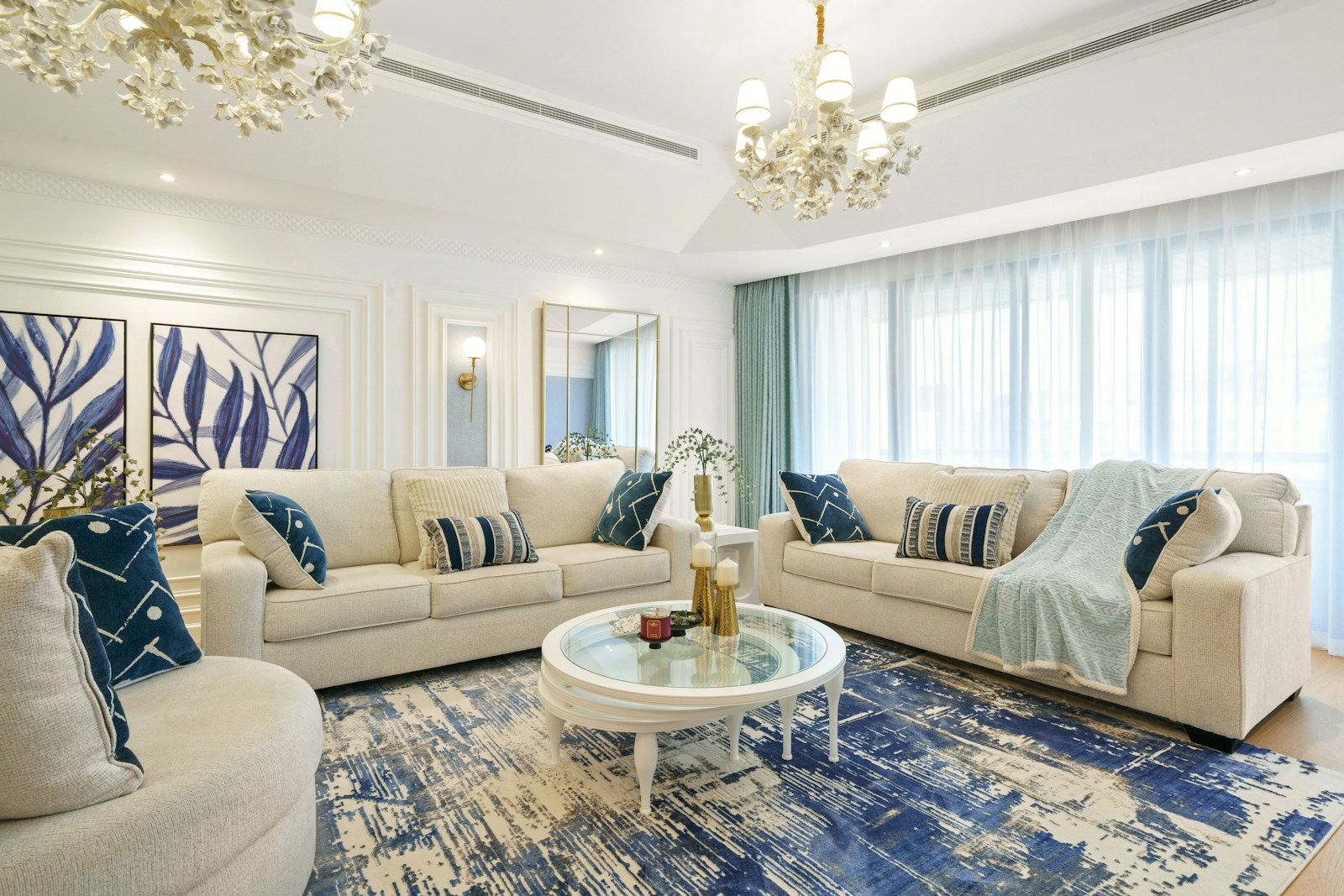
The colors used in home decor can significantly affect mood and convey emotions. For example, warm tones like reds and oranges often evoke feelings of warmth and comfort, while cool colors like blues and greens promote calmness and tranquility. Individuals who gravitate towards vibrant colors may be expressing a need for energy and creativity, whereas those who prefer muted tones may prioritize peace and stability in their lives.
Furthermore, the psychology of color suggests that people often choose shades based on their current emotional states. A home filled with bright, cheerful colors may indicate an optimistic outlook, while darker hues might suggest feelings of sadness or introspection. Understanding these color choices can provide a gateway to discussing deeper emotional experiences.
2. Furniture Style and Personal Values
The style of furniture in a home often mirrors the occupant’s values and lifestyle choices. For instance, minimalist designs reflect a preference for simplicity and practicality, aligning with values of sustainability and decluttering. Conversely, an eclectic mix of vintage and modern pieces often suggests a love for history and storytelling, indicating that the individual values experiences over material possessions.
Moreover, the choice between new and second-hand furniture can signal environmental consciousness. Many individuals now opt for sustainable furnishings, indicating a commitment to eco-friendly practices. Observing these stylistic choices can lead to discussions about broader societal issues, such as consumerism and sustainability.
3. Personal Touches and Identity
Personal touches are a significant aspect of home aesthetics, often revealing an individual’s identity and interests. Family photos, travel souvenirs, and artwork that resonates with personal experiences are common ways people communicate their narratives through decor. These elements not only personalize a space but also serve as conversation starters, inviting guests to engage with the host’s life story.
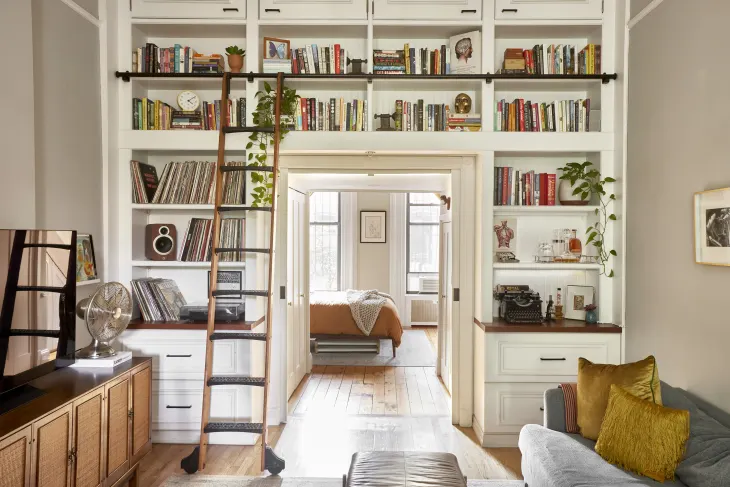
In essence, these personal artifacts help create a sense of belonging and identity. For example, a wall filled with art from local artists can indicate a strong connection to the community, while a collection of books can reflect a passion for knowledge and learning. Recognizing these elements can foster deeper connections and understanding among friends and family.
4. Organization and Cleanliness as a Reflection of Mindset
The level of organization and cleanliness in a home often mirrors the occupant’s mental state and approach to life. A meticulously organized space can indicate a person who values order and control, while a more chaotic environment may reflect a laid-back attitude or even a busy lifestyle that prioritizes other aspects over home maintenance. This correlation can provide insights into how individuals manage stress and their overall life balance.
Moreover, the way people organize their spaces can indicate their coping mechanisms. For instance, those who utilize storage solutions to create a clutter-free environment may be seeking a sense of calm amid chaos. Conversely, individuals who embrace a more bohemian style, with items scattered throughout the home, may prioritize creativity and spontaneity over strict organization.
5. Outdoor Spaces and Connection to Nature
The design and upkeep of outdoor spaces, such as gardens and patios, often reflect a person’s connection to nature and the outdoors. Homes with well-maintained gardens or inviting patios suggest a love for nature and a desire to cultivate tranquility and beauty in their lives. This connection can promote overall well-being, as studies have shown that spending time outdoors can reduce stress and enhance mood.
Additionally, the choice of plants and landscaping can reveal a person’s values regarding sustainability and environmental stewardship. Individuals who prioritize native plants or organic gardening practices may demonstrate a commitment to ecological responsibility. Recognizing these choices can encourage conversations about environmental awareness and personal responsibility.
Conclusion
In conclusion, a person’s home aesthetic can offer a wealth of insights into their personality, values, and emotional state. From color choices and furniture styles to personal touches and outdoor spaces, every element contributes to a narrative that reflects the occupant’s identity. Understanding these hidden meanings can enhance our connections with others and promote empathy within our communities.
As we navigate our social interactions, paying attention to the aesthetics of someone’s home may provide a deeper understanding of their experiences and perspectives, ultimately enriching our relationships and fostering a more inclusive environment.

As a mom of three busy boys, I know how chaotic life can get — but I’ve learned that it’s possible to create a beautiful, cozy home even with kids running around. That’s why I started Cultivated Comfort — to share practical tips, simple systems, and a little encouragement for parents like me who want to make their home feel warm, inviting, and effortlessly stylish. Whether it’s managing toy chaos, streamlining everyday routines, or finding little moments of calm, I’m here to help you simplify your space and create a sense of comfort.
But home is just part of the story. I’m also passionate about seeing the world and creating beautiful meals to share with the people I love. Through Cultivated Comfort, I share my journey of balancing motherhood with building a home that feels rich and peaceful — and finding joy in exploring new places and flavors along the way.