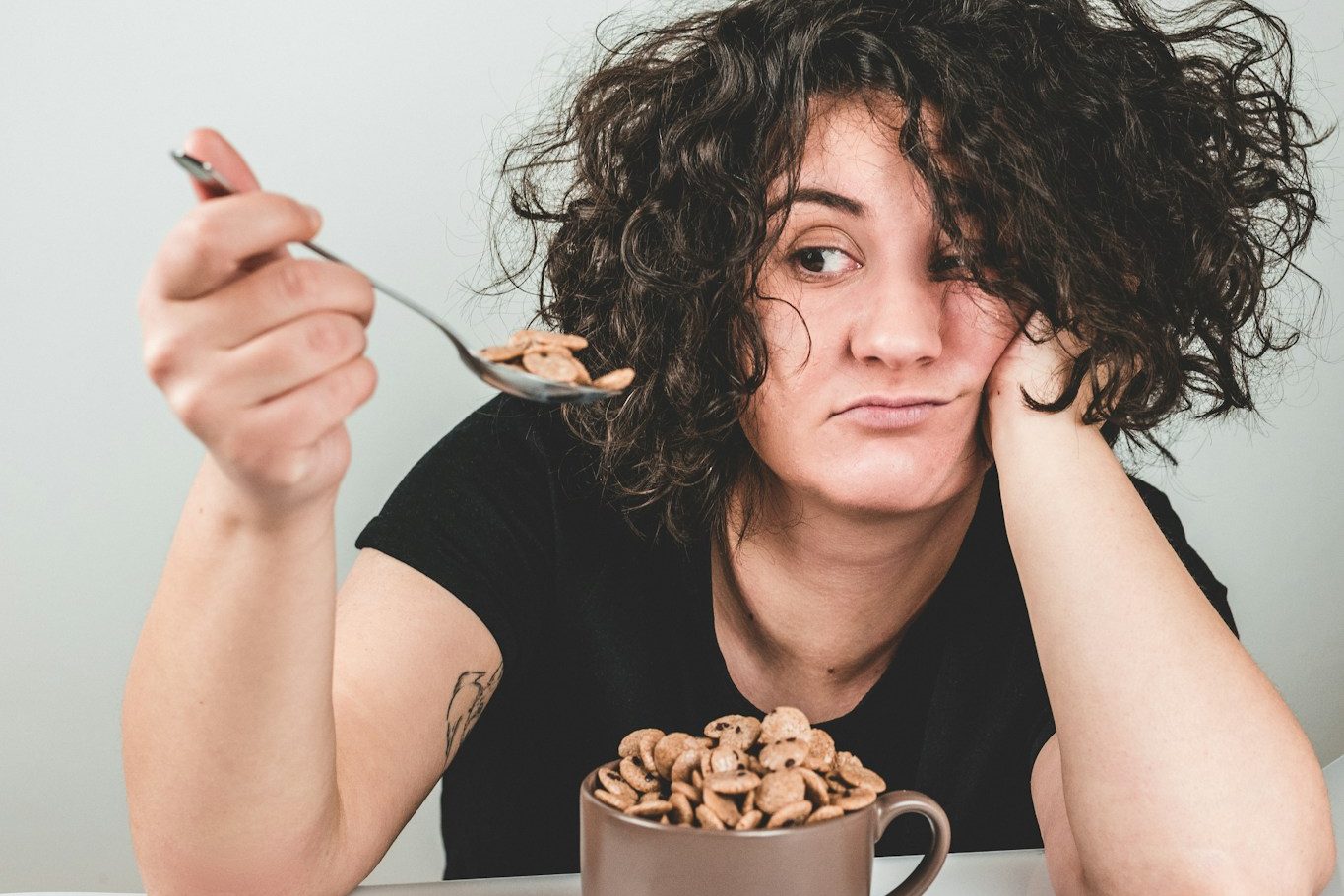
In a world where stress and anxiety are prevalent, many individuals find themselves turning to food for comfort rather than enjoyment, a trend that can lead to unhealthy eating habits and emotional distress. Recognizing the signs that food has become a coping mechanism rather than a source of pleasure is essential for maintaining both mental and physical health. This article outlines five key clues that indicate you may be using food to cope.
1. Eating Without Hunger
One of the most telling signs that food is being used as a coping mechanism is eating when you are not physically hungry. This behavior often manifests as mindless snacking or consuming meals out of habit rather than need. If you frequently find yourself reaching for food when you’re bored, stressed, or anxious, it could be a red flag that you’re using food to soothe your emotions rather than satisfy your hunger.
2. Emotional Triggers and Food Choices
Another clue that you might be using food to cope is the way certain emotions influence your food choices. If you notice that you gravitate toward comfort foods—like ice cream, chips, or pizza—when you’re feeling down or stressed, it may indicate an emotional reliance on food. This pattern can create a cycle where negative emotions lead to unhealthy eating, which in turn can exacerbate feelings of guilt or shame, further perpetuating the cycle.
3. Eating in Secret
Eating in secret or feeling ashamed of your food choices can also signal that you are using food as a coping mechanism. If you find yourself hiding your eating habits from others or sneaking snacks when no one is watching, it reflects an unhealthy relationship with food. This behavior often arises from a desire to avoid judgment or criticism, indicating that food is being used to fill an emotional void rather than to enjoy the experience of eating.
4. Lack of Satisfaction After Eating
A crucial clue that food is being used for coping rather than enjoyment is a persistent feeling of dissatisfaction after meals. If you often finish eating and feel unfulfilled, bloated, or guilty, it could mean that you are not truly savoring your food. Instead of appreciating flavors and textures, you may be consuming food in an attempt to escape from difficult emotions, leaving you feeling empty even after a meal.
5. Food as a Reward or Punishment
Using food as a reward or a punishment is another sign that you might be coping with emotions through eating. If you find yourself treating yourself to a large dessert after a tough day or denying yourself snacks when you feel you’ve overindulged, it highlights a complicated relationship with food. This conditional approach to eating can lead to unhealthy habits and reinforce the idea that food is a means to manage feelings rather than a source of nourishment and joy.
Understanding the Impact
Recognizing these clues is the first step toward addressing the underlying issues that may contribute to emotional eating. While it’s common for people to seek comfort in food, it’s essential to develop healthier coping mechanisms. Engaging in physical activity, practicing mindfulness, or talking to a friend or therapist can provide alternative outlets for managing stress and emotions.
Seeking Help and Support
If you find that these signs resonate with you, it may be time to seek help. Speaking with a mental health professional can provide the support needed to explore the reasons behind emotional eating and develop healthier habits. Additionally, support groups or nutrition counseling can offer guidance on building a positive relationship with food, focusing on both mental and physical well-being.
Conclusion
Understanding the difference between enjoying food and using it as a coping mechanism is vital for overall health. By recognizing the signs of emotional eating, individuals can take proactive steps to cultivate a more balanced relationship with food. Making small changes and seeking support can lead to healthier habits, improved mental health, and a more enjoyable eating experience.

As a mom of three busy boys, I know how chaotic life can get — but I’ve learned that it’s possible to create a beautiful, cozy home even with kids running around. That’s why I started Cultivated Comfort — to share practical tips, simple systems, and a little encouragement for parents like me who want to make their home feel warm, inviting, and effortlessly stylish. Whether it’s managing toy chaos, streamlining everyday routines, or finding little moments of calm, I’m here to help you simplify your space and create a sense of comfort.
But home is just part of the story. I’m also passionate about seeing the world and creating beautiful meals to share with the people I love. Through Cultivated Comfort, I share my journey of balancing motherhood with building a home that feels rich and peaceful — and finding joy in exploring new places and flavors along the way.