When dining at Texas Roadhouse, many wonder how to tell if their steak was cut fresh or prepped earlier in the day. Since the restaurant hand-cuts steaks, freshness depends on the timing of the cut and the size ordered. To ensure a fresh-cut steak, ordering a size larger than what’s typically on the menu usually guarantees it is sliced to order rather than pre-cut.
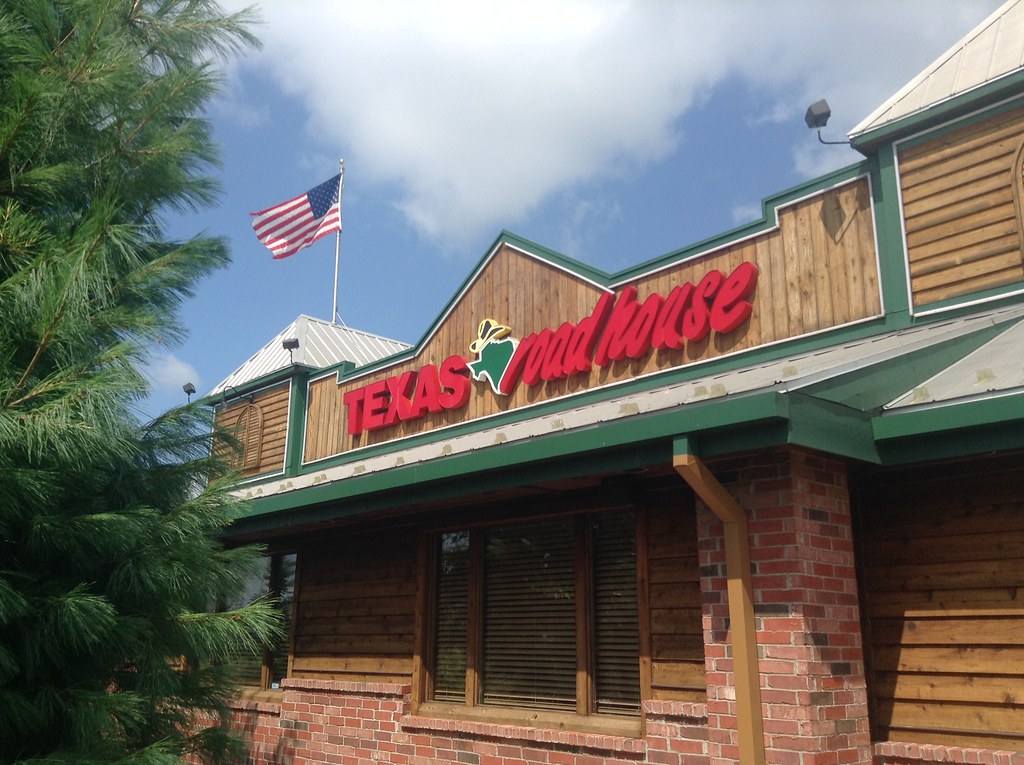
Customers often notice differences in texture and flavor when their steak is freshly cut versus prepped ahead of peak hours. A fresh steak will have a vibrant color and better fat distribution, contributing to a more satisfying meal. Knowing this simple ordering trick can make a noticeable difference for anyone wanting the best steak experience at Texas Roadhouse.
Understanding these small details helps diners avoid less fresh cuts and enjoy the true quality Texas Roadhouse aims to offer. It’s a straightforward tip that can make their next meal a little more special without any hassle.
What Makes Texas Roadhouse Steaks Unique?
Texas Roadhouse is known for its fresh, hand-cut steaks, generous portion sizes, and consistent quality. The steaks they serve come from carefully selected cuts following strict quality standards, with distinct meat-cutting practices that help maintain freshness and flavor. This approach applies across popular options like ribeye, sirloin, prime rib, and filet.
In-House Meat Cutting Practices
Texas Roadhouse steaks are typically hand-cut by in-house meat cutters each morning. These skilled cutters prepare standard cuts such as 6, 8, and 11-ounce sirloins ahead of service, ensuring steaks are fresh though pre-cut before lunch and dinner rushes.
However, customers can request steaks cut to order, usually by ordering larger portions—like an 18-ounce ribeye instead of a 16-ounce. This requires the cutter to slice the steak fresh from the case, offering an extra level of freshness not found in pre-cut options.
One important note is that certain cuts, especially bone-in steaks like the T-bone or Porterhouse, generally come pre-cut due to equipment limits in many locations. This means these steaks, while still high quality, are less likely to be sliced fresh on demand.
Types of Steaks Offered
Texas Roadhouse offers a variety of steak cuts to fit different tastes and budgets. Staples include:
- Ribeye: Known for its marbling and rich flavor, often a fan favorite.
- Sirloin: A leaner, more affordable option, available in standard sizes.
- Filet (Dallas Filet or Filet Mignon): The most tender cut on the menu, often ranked the top choice.
- Prime Rib: Slow-roasted and sliced, praised for its tenderness.
- New York Strip: Offering a balance between tenderness and robust flavor.
- T-bone: Combines strip and filet, but generally pre-cut due to bone and size.
Many of these steaks come seasoned with the signature Texas Roadhouse blend but can also be prepared plain if preferred.
USDA Choice Quality Standards
Texas Roadhouse prioritizes quality by using USDA Choice beef, a grade known for good marbling and taste. This level of beef balances tenderness with flavor, contributing to the juicy, tender texture so many diners enjoy.
The steaks also go through a traditional 21-day aging process. This enhances tenderness and depth of flavor before the meat reaches the restaurant. Marbling is emphasized, especially in ribeyes and prime rib, as it directly impacts juiciness.
Importantly, Texas Roadhouse steaks are never frozen. Keeping steaks fresh helps maintain that melt-in-your-mouth texture and bold beef flavor that set them apart from many other steakhouses.
How to Identify a Freshly Cut Steak at Texas Roadhouse
Knowing how to spot a freshly cut steak can make all the difference in enjoying a juicy, flavorful meal. Key things to watch for include the steak’s appearance, the way it’s displayed, and when it’s ordered. These details can help diners get the best cut possible.
Visual Clues: Marbling, Color, and Thickness
Freshly cut steaks at Texas Roadhouse usually show bright, vibrant colors. The meat should look rich red, not dull or brownish. Marbling — the thin white lines of fat distributed through the steak — is a good sign. It adds flavor and tenderness, especially in cuts like ribeye and sirloin.
Thickness matters too. Fresh cuts tend to have consistent, even thickness without drying edges. If the steak looks too uniform or pre-packaged, it might have been cut earlier in the day.
How Steak Cases Help You Choose
Texas Roadhouse displays many steak options in a steak case where customers can see and pick their own cut. This allows diners to select steaks by eye, focusing on color, marbling, and size. Steaks in the case are typically fresh and hand-cut from USDA Choice beef.
Choosing from the case means they can avoid pre-cut steaks made during busy times. It’s especially useful for picking out specialty cuts like the filet or a larger sirloin that isn’t always available pre-cut.
Timing Your Order for Maximum Freshness
Steaks are often cut in the morning before busy lunch and dinner shifts to speed up service. For the freshest cut, ordering a steak size larger than the menu offerings usually guarantees a freshly hand-cut steak. For example, getting an 18-ounce ribeye instead of the standard 16-ounce.
Ordering early or late away from peak hours can also increase the chance of receiving a steak cut to order. Asking the server about fresh-cut options and any extra charges can help avoid surprises at the table.
Tips for Ordering a Fresh-Cut Steak Every Time
Getting a freshly cut steak at Texas Roadhouse takes a bit of know-how. It often involves making specific requests and understanding which cuts are typically sliced on demand. Knowing how to navigate off-menu options and picking the right cut can make a difference.
Requesting Custom Sizes
One of the most reliable ways to ensure a steak is cut fresh is by ordering a custom size. For example, asking for an 18-ounce ribeye instead of the standard 16-ounce forces the in-house butcher to slice your steak to order rather than using pre-cut stock.
This approach sometimes carries a small surcharge, but it guarantees maximum freshness. It works best during busy meal times when many steaks are pre-cut to save time. Avoid standard sizes if you want steak straight from the butcher’s block.
What to Know About Off-Menu Orders
Not all cuts can be custom sliced easily. For instance, the Porterhouse T-bone usually comes pre-cut because Texas Roadhouse locations don’t typically have a bonesaw on hand. That means freshness can be less guaranteed on these cuts.
Off-menu or special size orders might require extra patience or a slight wait. However, servers and butchers are generally willing to accommodate custom requests to ensure the best experience. It helps to ask upfront if the steak can be cut fresh and if any surcharges apply.
Choosing Specific Cuts: Ribeye, Sirloin, or Filet
Some cuts lend themselves better to fresh preparation. The ribeye is popular and juicy, often worth the custom cut request. The Dallas Filet and filet medallions are also excellent options for freshness since they usually come cut to order.
Sirloin steaks sized at 6, 8, or 11 ounces are typically pre-cut in the morning but still fresh. For prime rib, it’s best to confirm with your server how it is prepared, as it might not always be sliced on the spot. New York strip and filet mignon usually follow similar rules—asking is key to getting the freshest slice.
Pro Moves and Common Mistakes
Knowing how to spot fresh-cut steak at Texas Roadhouse can make all the difference to your meal. Sometimes, the way you order or customize your steak can affect its freshness or value. It’s important to understand the limits of special orders and how pricing works so your delicious steak experience isn’t compromised.
When Special Orders Don’t Work
Not every request guarantees a freshly cut steak. For example, the porterhouse is rarely cut in-house because the restaurant lacks the right tools for that specific bone-in cut. It’s usually shipped frozen, so expecting the same fresh quality as other steaks can lead to disappointment.
However, ordering non-standard steak sizes—like ounces not listed on the menu—ensures the steak is cut fresh after you order. This can come with a modest upcharge but yields better quality. Specialty cuts like filet medallions often come freshly prepared and can be a smarter choice compared to fixed-size portions.
Understanding Upcharges and Specials
Texas Roadhouse offers some good deals if you know where to look. Filet medallions, for example, give you more steak and come with extras like a choice of sauces, often for less than the 8-ounce filet.
When it comes to shrimp, ordering a shrimp smother can save money and deliver more shrimp compared to the sidekick option. Paying attention to these pricing details can enhance your meal without overspending.
Extras like the famous honey cinnamon butter or swapping standard sides for appetizers, where allowed, won’t usually cost more. Knowing when an upcharge applies helps diners avoid surprises and get the best value on their steakhouse visit.

As a mom of three busy boys, I know how chaotic life can get — but I’ve learned that it’s possible to create a beautiful, cozy home even with kids running around. That’s why I started Cultivated Comfort — to share practical tips, simple systems, and a little encouragement for parents like me who want to make their home feel warm, inviting, and effortlessly stylish. Whether it’s managing toy chaos, streamlining everyday routines, or finding little moments of calm, I’m here to help you simplify your space and create a sense of comfort.
But home is just part of the story. I’m also passionate about seeing the world and creating beautiful meals to share with the people I love. Through Cultivated Comfort, I share my journey of balancing motherhood with building a home that feels rich and peaceful — and finding joy in exploring new places and flavors along the way.