When a partner monitors your phone, it is rarely about love or curiosity. It is usually about control, insecurity, or a deeper pattern of emotional abuse. These ten red flags, drawn from expert guidance on digital behavior and relationship warning signs, can help you recognize when phone monitoring has crossed the line from occasional concern into a serious threat to your privacy and safety.
1) Insisting on Access to Your Passwords
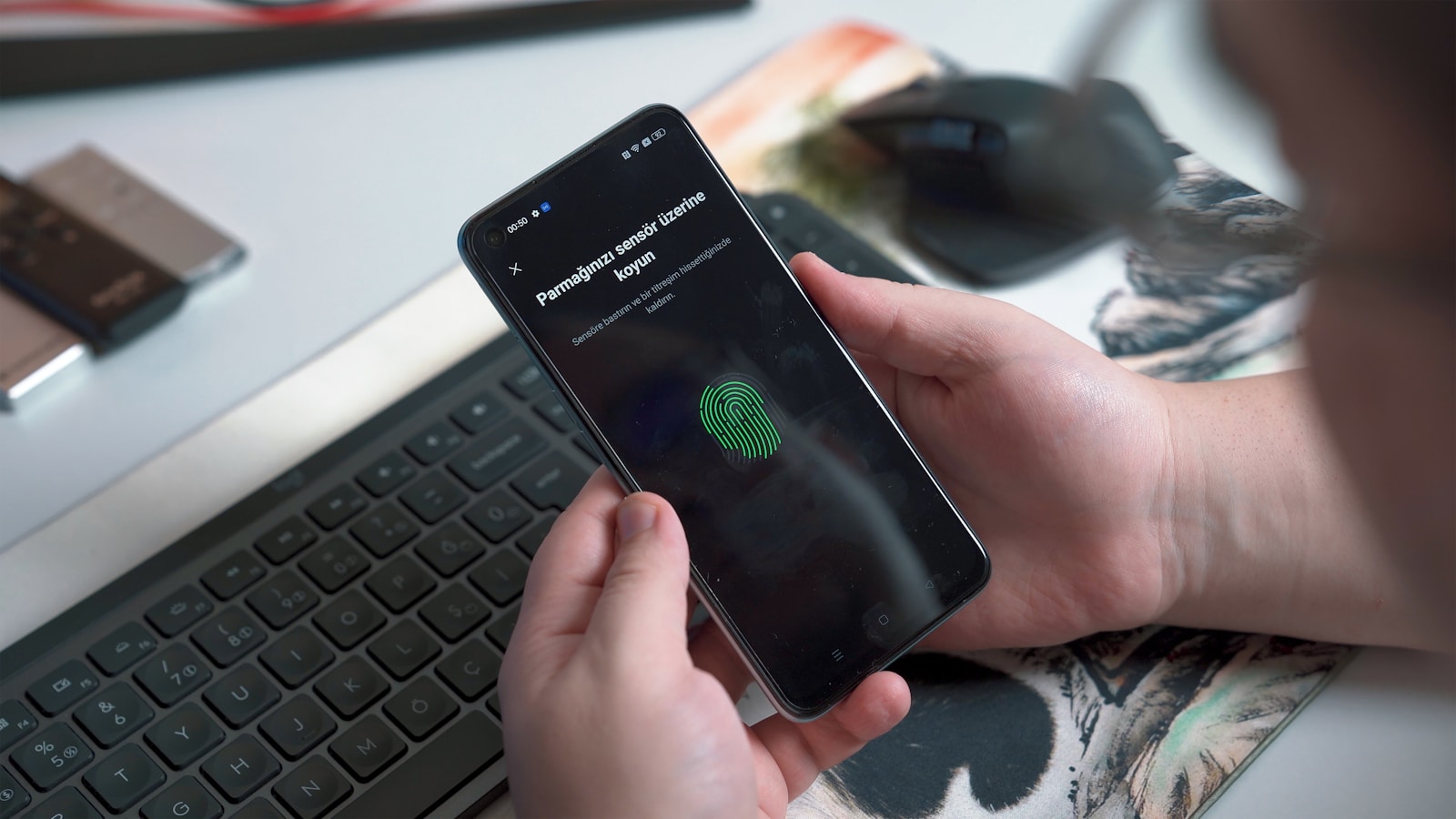
Insisting on access to your passwords is a classic control tactic, especially when it is framed as proof of loyalty. Relationship experts who outline clear warning signs say that when a partner demands your phone login, email credentials, or banking passwords, it is not about transparency, it is about power. Once they have that access, they can read private conversations, reset settings, and even impersonate you. In a healthy relationship, you can choose to share devices, but you are never coerced or guilted into surrendering your digital keys.
The stakes are high, because password control lets a partner quietly escalate from snooping to financial or emotional abuse. If you feel pressured with lines like “If you have nothing to hide, you will give it to me,” that is a sign your boundaries are being dismantled. Over time, this kind of monitoring can isolate you from friends, chill honest communication, and make it harder to leave, since the person watching your phone may also be watching your every attempt to seek help.
2) Frequent Unannounced Checks of Your Messages
Frequent unannounced checks of your messages, especially when you have not consented, signal a deep lack of trust. A couples therapist who focuses on phone behaviors describes snooping as a major red flag, because it replaces conversation with surveillance. When a partner grabs your phone off the table, scrolls through your texts while you are in the shower, or “accidentally” opens your DMs, they are not just curious, they are policing your private life. That pattern often comes with defensiveness or blame when you object.
Unchecked, this behavior can normalize the idea that you do not deserve privacy at all. You may start editing your own messages, avoiding certain friends, or deleting harmless chats just to avoid conflict. Over time, the person monitoring you gains more information and leverage, while you lose confidence that your inner world is your own. In a respectful partnership, concerns about fidelity or secrecy are raised in conversation, not resolved by secret audits of your phone.
3) Reacting with Anger to Delayed Responses
Reacting with anger to delayed responses is another digital red flag that often shows up when a partner is already monitoring your phone. Reporting on the top ten digital red flags around suspected cheating highlights how some people track reply times, read receipts, and “last seen” stamps as if they are evidence in a case. If you do not answer within minutes, they bombard you with messages, accuse you of ignoring them, or demand screenshots proving where you were.
This pattern turns everyday connectivity tools into instruments of pressure. Instead of accepting that you might be in a meeting, driving, or simply needing a break, the angry partner treats your phone as a leash that should always be tight. That kind of reaction can make you feel constantly on call, afraid to silence your device or enjoy time offline. Over time, it erodes your autonomy and can escalate into more overt monitoring, like insisting you keep location services on or send photos to “prove” your story.
4) Demanding Constant Location Sharing via Apps
Demanding constant location sharing via apps like Find My, Life360, or WhatsApp Live Location often masquerades as concern for safety, but it can quickly become a tool of control. Guidance on spotting red flags in digital relationships around Valentine’s Day warns that when a partner insists on real-time tracking, the underlying message is often “I do not trust you.” If they get upset when you pause sharing, question every detour, or show up uninvited where your phone says you are, that is surveillance, not care.
The broader trend is that location data, once shared, can be used to monitor who you see, how long you stay out, and whether your story matches the map. For people in controlling or abusive relationships, this can make it extremely difficult to maintain independent friendships or seek support. A healthy compromise might be sharing your route during a late-night ride home, then turning it off. A red flag is when “just for safety” quietly becomes “all day, every day, or else.”
5) Accusing You of Infidelity Based on Screen Time
Accusing you of infidelity based on screen time is another sign that phone monitoring has crossed into paranoia. Insights on problematic cell phone red flags include “Responding angrily or defensively to questions,” and that dynamic often appears when someone is already convinced your digital habits hide betrayal. If your partner fixates on how long you were “online,” how many minutes you spent on Instagram, or why your battery dropped by 20 percent, they are treating analytics as proof of cheating.
This kind of accusation shifts the burden of proof onto you, forcing you to justify normal behavior like scrolling TikTok, reading the news, or chatting in group threads. It also reveals a mindset in which your partner sees your phone as a threat rather than a tool. Over time, you may feel compelled to limit your own screen time, not for your wellbeing, but to avoid conflict. That is a sign the relationship’s trust issues are being projected onto your device instead of addressed in honest conversation.
6) Using Emoji Patterns in Texts as Suspicion Triggers
Using emoji patterns in texts as suspicion triggers might sound trivial, but it can be a serious red flag when a partner is already monitoring your phone. Coverage of specific emoji that should raise alarm bells notes that some people treat certain symbols, like repeated heart eyes or flirty faces, as coded signs of cheating. If your partner demands to see every conversation where you used a particular emoji, or accuses you of emotional infidelity based solely on icons, they are reading your digital life through a lens of constant suspicion.
While context matters, the deeper issue is how they respond. A partner who calmly asks about a message is very different from one who interrogates you over a single peach or fire emoji. When every playful symbol becomes “evidence,” you may start censoring your own communication, even in harmless group chats. That pressure can isolate you socially and make your phone feel like a minefield. Healthy relationships focus on the meaning behind your interactions, not on weaponizing tiny images to justify control.
7) Installing Tracking Software Without Consent
Installing tracking software without consent is one of the clearest signs that phone monitoring has become abusive. Lists of serious relationship warning signs emphasize that when a partner asks you to accept invasive tech demands, it may be time to leave. If they secretly add spyware, keyloggers, or hidden tracking apps to your phone, they are not just crossing a boundary, they are violating your privacy and, in many places, the law. Even when they ask directly, the power imbalance can make “yes” feel less like a choice and more like a requirement.
The implications are far-reaching. With the right software, a controlling partner can read your messages, listen through your microphone, or track your movements without your knowledge. That level of surveillance can make it nearly impossible to reach out to friends, therapists, or hotlines safely. If you suspect your device has been compromised, experts recommend using a different phone or computer to seek help, documenting what you can, and considering professional tech support. In any case, secret tracking is not a misunderstanding, it is a major red flag.
8) Limiting Your Social Media Interactions
Limiting your social media interactions is another way a partner can weaponize your phone against you. Advice on digital relationship red flags highlights patterns where someone dictates who you can follow, which posts you can like, or what you are allowed to comment. If your partner insists you unfollow certain friends, demands that you remove old photos, or gets angry when you respond to DMs, they are using your online presence to shrink your world.
Over time, this control can cut you off from support networks and make you more dependent on the relationship. You might stop engaging with colleagues on LinkedIn, mute group chats, or avoid posting altogether to avoid conflict. That silence benefits the person monitoring you, because fewer outside connections mean fewer people who might notice something is wrong. A healthier dynamic is one where you can discuss boundaries around public sharing, but your partner does not treat your social media accounts as their property to manage.
9) Deleting or Hiding Your Contacts During Monitoring
Deleting or hiding your contacts during monitoring is a particularly insidious red flag, because it directly targets your support system. Some people frame this as “helping” you cut off bad influences, but it often mirrors the kind of behavior that initially looks like a red flag and later reveals deeper control issues. Discussions of relationship red flags that are secretly the biggest green flags show how context matters, yet deleting your contacts without consent is not protective, it is isolating.
When a partner quietly removes numbers, renames contacts, or hides message threads, they are trying to control who you can reach and who can reach you. That can be especially dangerous if they target family members, longtime friends, or coworkers who might notice signs of distress. It also makes it harder to leave, because you may not have easy access to people who could offer a couch, a ride, or emotional support. Any attempt to erase your connections so you are easier to monitor should be treated as a serious warning sign.
10) Questioning Every Notification You Receive
Questioning every notification you receive is a subtler but exhausting form of phone monitoring. Drawing on frameworks that identify the top ten digital red flags, this behavior shows up when a partner reacts to every ping, banner, or vibration as a potential threat. They might demand to know who messaged you, insist you open alerts in front of them, or get irritated if you clear a notification without explanation. Over time, even neutral updates from apps like Uber or Gmail become interrogation triggers.
The impact is cumulative. You may start turning off notifications, not for your own focus, but to avoid questions. You might feel anxious every time your phone lights up, anticipating scrutiny. That constant vigilance can wear down your sense of privacy and make you feel like you live under surveillance. In a healthier relationship, a partner might occasionally be curious about a buzz during dinner, but they respect that not every notification is their business, and they trust you to manage your own digital life.
More from Cultivated Comfort:
- 7 Retro Home Features That Builders Should Bring Back
- 7 Antique Finds That Are Surprisingly Valuable Today
- 7 Forgotten Vacation Spots Your Parents Probably Loved
- 6 Boomer China Patterns That Are Selling Like Crazy Online

As a mom of three busy boys, I know how chaotic life can get — but I’ve learned that it’s possible to create a beautiful, cozy home even with kids running around. That’s why I started Cultivated Comfort — to share practical tips, simple systems, and a little encouragement for parents like me who want to make their home feel warm, inviting, and effortlessly stylish. Whether it’s managing toy chaos, streamlining everyday routines, or finding little moments of calm, I’m here to help you simplify your space and create a sense of comfort.
But home is just part of the story. I’m also passionate about seeing the world and creating beautiful meals to share with the people I love. Through Cultivated Comfort, I share my journey of balancing motherhood with building a home that feels rich and peaceful — and finding joy in exploring new places and flavors along the way.