In a world where personal space can often feel compromised, it’s not uncommon to find yourself grappling with the dilemma of what to do with the spare room in your home. Perhaps you’ve noticed that it’s become a dumping ground for items that don’t have a place elsewhere, or maybe a family member has taken up residence without discussing it with you first. Whatever the situation may be, it can lead to feelings of frustration, confusion, and even resentment.
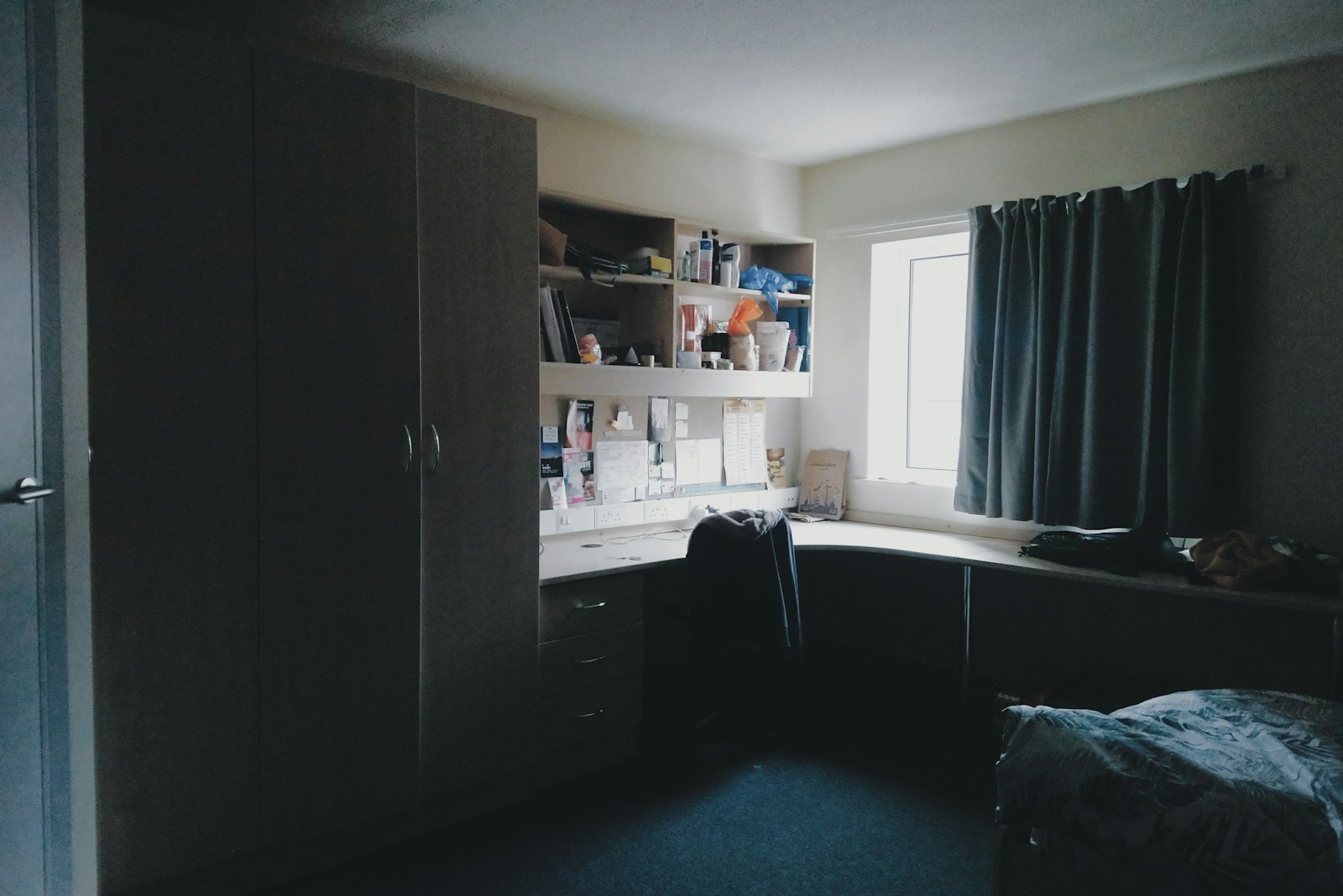
You’re not wrong to feel overwhelmed by this. The spare room should be a sanctuary for you and your needs, rather than a source of conflict. It’s important to remember that establishing boundaries, respecting personal spaces, and fostering open communication are crucial for maintaining harmony in your home. Let’s explore some actionable steps to help you reclaim your spare room and your peace of mind.
Start With a Calm, Direct Conversation
Before jumping to conclusions or making hasty decisions, initiate a calm and open conversation with those involved. Approach them when both of you are relaxed and ready to talk.
This method works because it lays the groundwork for mutual understanding. By discussing your feelings and concerns, you invite others to share their perspectives, creating a dialogue rather than a confrontation. You have the right to express your feelings, and doing so can lead to a more respectful and supportive home environment.
Set Clear Boundaries and Expectations
Once you’ve had a conversation, it’s essential to establish clear boundaries regarding the use of the spare room. Outline what you’re comfortable with and what isn’t acceptable.
Setting boundaries is crucial because it helps prevent misunderstandings and ensures everyone knows where they stand. By clearly communicating your expectations, you empower yourself and others to respect your space and preferences. Remember, it’s perfectly valid to want a space that feels like your own.
Involve Your Partner Without Blaming Them
If you share your home with a partner, involve them in the discussion about the spare room. Frame the conversation positively and avoid placing blame.
This approach is effective because it fosters teamwork rather than division. By collaborating, you can find solutions that work for both of you. You’re not alone in this; approaching it together can strengthen your relationship and ensure you’re both comfortable in your home.
Offer Reasonable Alternatives
If someone is occupying the spare room in a way that doesn’t suit you, propose reasonable alternatives. Perhaps suggest moving items to a storage space or repurposing the room for something both of you can enjoy.
Offering alternatives shows that you’re willing to compromise while still prioritizing your needs. It’s a constructive way to approach the situation, allowing others to feel included in the decision-making process. You can create a home that serves everyone’s needs with a little creativity.
Protect Your Home and Privacy Without Escalating Conflict
If the situation doesn’t improve after your discussions, you may need to take steps to protect your space more firmly. This could mean limiting access to the spare room or rearranging items to suit your preferences.
Taking protective measures is necessary when your comfort and privacy are at stake. You can do this without escalating the situation by remaining calm and reiterating the importance of your personal space. Your feelings are valid, and taking action to protect them is a sign of strength, not weakness.
Regularly Reassess the Situation
As time goes on, the needs of your home and the people in it may change. Make it a point to regularly reassess how the spare room is being used and whether any adjustments need to be made.
Regular reassessment works because it keeps communication channels open and ensures that everyone’s needs are continuously met. It’s empowering to take an active role in how your living space evolves—you’re creating an environment that reflects the needs and desires of all involved.
Closing
Navigating the complexities of shared living spaces can be challenging, but it’s important to remember that your situation can improve. By approaching the dilemma with open communication, clear boundaries, and a willingness to collaborate, you can reclaim your spare room while fostering a harmonious home environment.
As you move forward, keep in mind that you have the right to advocate for your needs. Take confident steps towards creating a space that feels like yours, and trust that with patience and understanding, positive change is possible.
More from Cultivated Comfort:
- 7 Vintage Home Items From the ’60s That Are Collectors’ Dream Finds
- 7 Vintage Home Goods That Became Collectors’ Gold
- 7 Fast-Food Chains That Changed for the Worse
- 7 Frozen Dinners That Were Better Back in the Day

As a mom of three busy boys, I know how chaotic life can get — but I’ve learned that it’s possible to create a beautiful, cozy home even with kids running around. That’s why I started Cultivated Comfort — to share practical tips, simple systems, and a little encouragement for parents like me who want to make their home feel warm, inviting, and effortlessly stylish. Whether it’s managing toy chaos, streamlining everyday routines, or finding little moments of calm, I’m here to help you simplify your space and create a sense of comfort.
But home is just part of the story. I’m also passionate about seeing the world and creating beautiful meals to share with the people I love. Through Cultivated Comfort, I share my journey of balancing motherhood with building a home that feels rich and peaceful — and finding joy in exploring new places and flavors along the way.