Collecting antiques can be a thrilling venture, especially when it involves items that have a rich history and a unique story to tell. Among the many collectible items, old plates and bowls often fly under the radar, yet they can hold significant value both financially and sentimentally. Whether you’re a seasoned collector or someone just starting to explore the world of vintage dishes, understanding which old plates and bowls are collectible can open new doors to your collection.
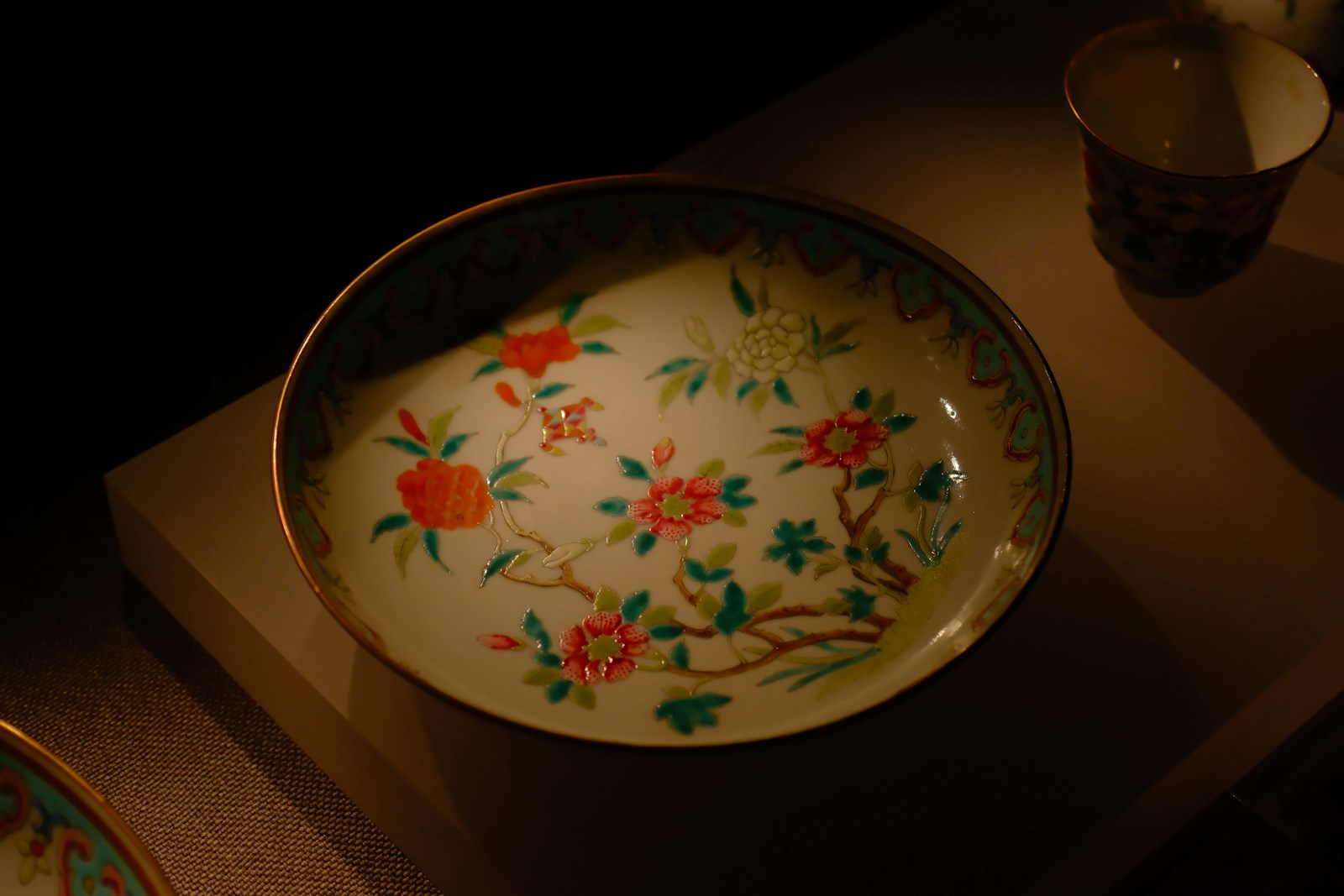
In this article, we will explore six specific types of plates and bowls that people often overlook. Each of these items has its own uniqueness and potential for appreciation. From ornate designs to historical significance, these collectibles can be a delightful addition to your home or a wise investment for the future.
1. Transferware Plates
Transferware, known for its blue-and-white designs, was popular in the 18th and 19th centuries. These plates often depict intricate scenes or patterns and are highly sought after by collectors today. The value of transferware can vary greatly depending on the maker, age, and rarity of the design.
Why it works: The distinctive aesthetic of transferware makes it a favorite among collectors, and its historical significance ties it to the evolution of ceramic art.
Empowerment: If you come across transferware at a flea market or in your grandmother’s attic, don’t hesitate to snatch it up; you might be holding onto a hidden treasure!
2. Majolica Bowls
Majolica is a type of pottery characterized by its colorful glazes and intricate designs. Originating from the Renaissance period, these bowls are often adorned with floral and animal motifs. Collectors appreciate the craftsmanship and vivid colors that make each piece unique.
Why it works: The vibrant and whimsical nature of Majolica bowls has made them popular among collectors, especially in the context of home decor.
Empowerment: Trust your instincts when you spot a Majolica piece; its artistic flair could be a perfect conversation starter in your collection.
3. Delftware
Originating from the Netherlands, Delftware is known for its characteristic blue and white patterns, often depicting scenes of Dutch life. Authentic pieces can fetch high prices, especially those from renowned manufacturers like Royal Delft.
Why it works: Delftware represents both artistic beauty and cultural heritage, making it appealing to collectors who value historical context.
Empowerment: If you find a piece of Delftware, remember that you are not just acquiring a dish but a piece of history that tells a story.
4. Fiesta Ware
Fiesta Ware, launched in the 1930s, is recognized for its bright colors and Art Deco designs. Due to its durability and vibrant hues, it remains a favorite among collectors today. Vintage pieces, especially those made before 1973, can be particularly valuable.
Why it works: The nostalgic appeal of Fiesta Ware resonates with many, making it not only collectible but also a fun addition to any kitchen.
Empowerment: Embrace your love for color and design; collecting Fiesta Ware can bring joy and vibrancy into your life.
5. Ironstone China
Ironstone china was developed in the 19th century as a durable, affordable alternative to porcelain. Known for its heavy and opaque nature, it often features intricate motifs and can range from plain white to more decorative patterns.
Why it works: Its blend of utility and beauty makes Ironstone a practical choice for collectors who appreciate both form and function.
Empowerment: If you come across Ironstone china, know that you are investing in timeless pieces that combine history with everyday use.
6. Japanese Kutani Bowls
Kutani porcelain, crafted in Japan, is known for its elaborate hand-painted designs and vibrant colors. These bowls, often featuring intricate depictions of nature and mythology, are highly prized among collectors.
Why it works: The craftsmanship and cultural significance of Kutani porcelain make it a noteworthy collectible, often appreciated for its beauty and artistry.
Empowerment: When you discover a Kutani bowl, celebrate it as a representation of a rich artistic tradition that continues to inspire collectors around the world.
Closing
Collecting old plates and bowls can be an enriching experience, filled with joy and discovery. With the right knowledge, you can cultivate a collection that reflects not only your personal style but also the fascinating history behind each piece. Remember that every collectible has a story, and by embracing this journey, you can create a beautiful narrative in your own home.
So, keep your eyes open, trust your instincts, and enjoy the process of uncovering collectible treasures that resonate with you.
More from Cultivated Comfort:
- 7 Vintage Home Items From the ’60s That Are Collectors’ Dream Finds
- 7 Vintage Home Goods That Became Collectors’ Gold
- 7 Fast-Food Chains That Changed for the Worse
- 7 Frozen Dinners That Were Better Back in the Day

As a mom of three busy boys, I know how chaotic life can get — but I’ve learned that it’s possible to create a beautiful, cozy home even with kids running around. That’s why I started Cultivated Comfort — to share practical tips, simple systems, and a little encouragement for parents like me who want to make their home feel warm, inviting, and effortlessly stylish. Whether it’s managing toy chaos, streamlining everyday routines, or finding little moments of calm, I’m here to help you simplify your space and create a sense of comfort.
But home is just part of the story. I’m also passionate about seeing the world and creating beautiful meals to share with the people I love. Through Cultivated Comfort, I share my journey of balancing motherhood with building a home that feels rich and peaceful — and finding joy in exploring new places and flavors along the way.