Deciding to clean out a loved one’s home, whether due to a move, a loss, or a simple desire to declutter, can be an emotionally charged experience. You might find yourself overwhelmed by the sheer volume of items to sort through, coupled with the memories they evoke. Perhaps you feel a sense of obligation to keep everything or worry about hurting someone’s feelings if you let go of certain items. You’re not wrong to feel frustrated or anxious about this process; it’s completely normal.
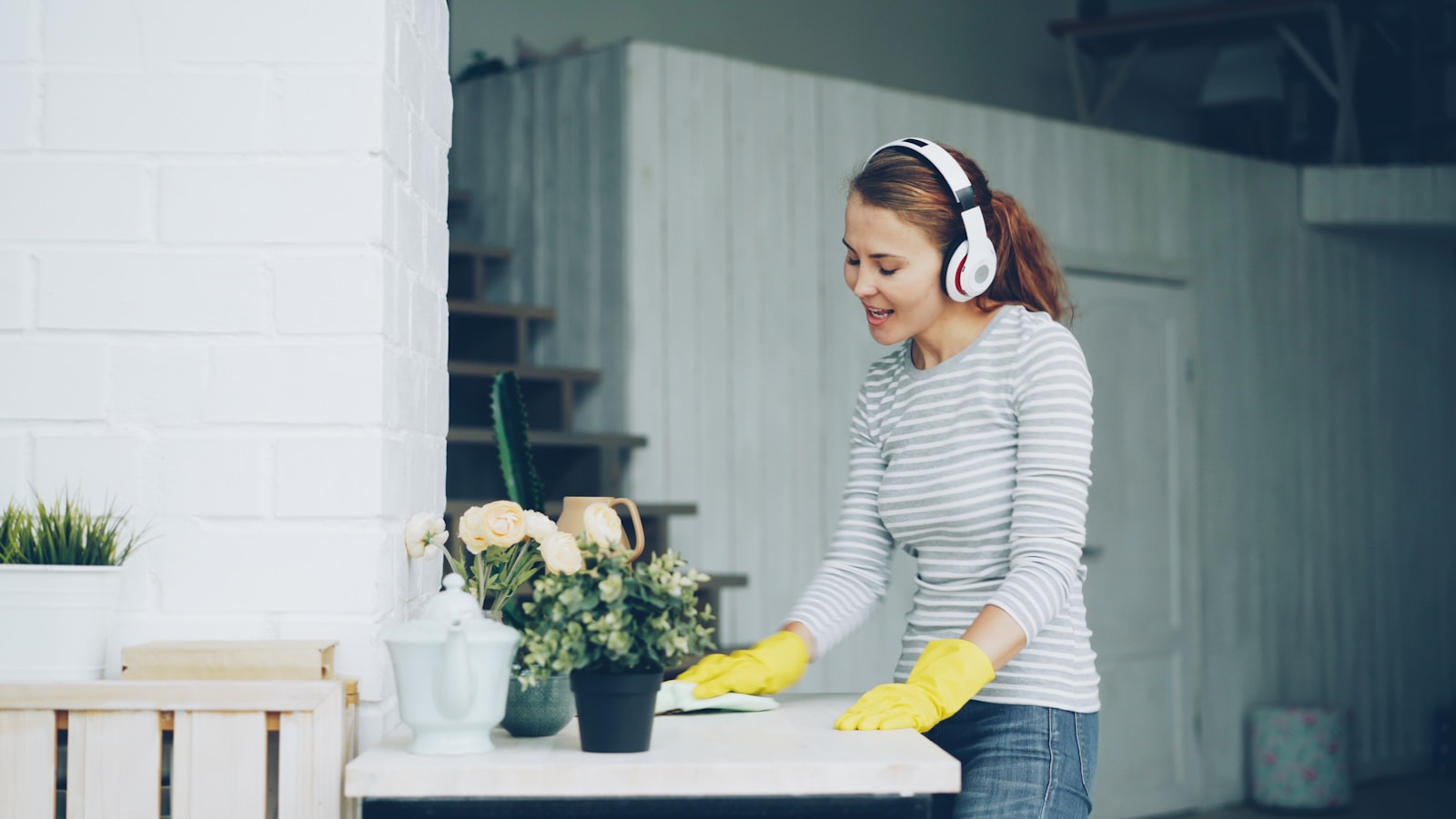
Cleaning out a home is not just about decluttering physical space; it’s also about establishing boundaries, respecting memories, and communicating effectively. The stakes may feel high, especially if you’re navigating family dynamics or personal attachments. This issue matters because how you handle it can affect your relationships and your emotional well-being. It’s time to tackle this challenge with confidence.
Start With a Calm, Direct Conversation
Before diving into sorting and packing, take a moment to sit down and have a straightforward conversation with everyone involved. Even if you think you know how they feel, open the floor for discussion.
Having a calm conversation allows everyone to express their sentiments and expectations, making the process smoother. When all parties feel heard, you’re more likely to reach an agreement on what to keep and what to let go. Remember, this is a shared experience, and your voice matters too.
Set Clear Boundaries and Expectations
Establishing clear boundaries about what you can and cannot keep is essential. Decide on a few guiding principles: perhaps you’ll keep items that are sentimental, while anything broken or unused for over a year might go.
Setting boundaries helps reduce the emotional toll of the process. It provides a framework that keeps discussions focused and productive. You can do this; it’s about creating a plan that respects both your feelings and the memories attached to the items.
Involve Your Partner Without Blaming Them
If your partner is involved in the decluttering process, approach the situation with positivity. Instead of placing blame for any clutter or disorganization, engage them in a collaborative way.
By focusing on teamwork and shared goals, you can make the process enjoyable rather than a source of conflict. It’s empowering to know you’re not navigating this alone, and it strengthens your partnership as you work toward a common objective.
Offer Reasonable Alternatives
As you sort through belongings, consider offering alternatives for items that may not be kept. For instance, you can suggest donating to a local charity, giving items to friends, or even hosting a garage sale.
Offering alternatives provides a sense of closure and purpose to the items you choose to let go of. This approach can alleviate guilt and help others feel good about the decision to part with certain possessions. You’re taking proactive steps toward a brighter, more organized future.
Protect Your Home and Privacy Without Escalating Conflict
As you navigate this process, it’s crucial to establish a sense of personal space. If someone is overly attached to certain items that you believe should be let go, reassure them that their feelings are valid, but clearly state your need for a clutter-free environment.
By protecting your home and privacy without escalating conflict, you create a safe space for open dialogue. This approach reinforces your right to maintain boundaries without dismissing others’ emotions. You have the right to a peaceful living space, and that’s important.
Celebrate Progress and Reflect on Memories
As you sort through items, take breaks to celebrate your progress. Reflect on the memories attached to the belongings you decide to keep, and don’t forget to acknowledge the effort you’ve put into this task.
Celebrating small victories can uplift your spirits and motivate you to continue. Remember, it’s not just about what you’re letting go of; it’s also about honoring the past while making room for the future. Each step you take is a testament to your resilience and commitment to moving forward.
Closing
Remember, cleaning out a home is a journey, and it’s okay to feel a mix of emotions along the way. The situation can improve as you embrace confident action and open communication.
One final piece of advice: trust yourself to make the right decisions for your space and emotional well-being. You have the strength to navigate this process thoughtfully and respectfully. Embrace the opportunity to create a home that reflects your values and aspirations, and know that brighter days are ahead.
More from Cultivated Comfort:
- 7 Vintage Home Items From the ’60s That Are Collectors’ Dream Finds
- 7 Vintage Home Goods That Became Collectors’ Gold
- 7 Fast-Food Chains That Changed for the Worse
- 7 Frozen Dinners That Were Better Back in the Day

As a mom of three busy boys, I know how chaotic life can get — but I’ve learned that it’s possible to create a beautiful, cozy home even with kids running around. That’s why I started Cultivated Comfort — to share practical tips, simple systems, and a little encouragement for parents like me who want to make their home feel warm, inviting, and effortlessly stylish. Whether it’s managing toy chaos, streamlining everyday routines, or finding little moments of calm, I’m here to help you simplify your space and create a sense of comfort.
But home is just part of the story. I’m also passionate about seeing the world and creating beautiful meals to share with the people I love. Through Cultivated Comfort, I share my journey of balancing motherhood with building a home that feels rich and peaceful — and finding joy in exploring new places and flavors along the way.