Dog people like to say their pets love them unconditionally, but that feeling hits different when the proof is right there in a wagging tail, a goofy grin, or a quiet lean against a leg. Canine affection is not random, it shows up in specific patterns that behavior experts link to attachment, comfort, and trust. When a dog does certain things consistently, it is a pretty strong signal that the bond is not just in a human’s head.
From the way they greet someone at the door to how they fall asleep at night, dogs have a whole vocabulary of tiny habits that add up to deep devotion. Here are ten of the clearest signs that a dog is not just fond of their person, but genuinely in love with the life they share.
1. The over-the-top greeting at the door
That full‑body welcome when someone walks in, the paws tap dancing on the floor, the tail whipping so hard it looks like it might take flight, is one of the clearest signs of attachment. Many owners notice that their dog seems to know exactly when they are coming home and is already waiting, ready to launch into a wet greeting the second the key turns. Enthusiastic arrivals, complete with happy vocalizing and circling, show that the person has become the emotional center of the dog’s day, not just the one who fills the bowl.
Behavior specialists point out that this kind of ritualized reunion is a classic marker in attachment research, where dogs are observed seeking contact with their chosen human after a brief separation. Everyday owners describe the same thing in more casual language, talking about how their pet greets them with pure joy and a soaking kiss the moment they step inside, a pattern echoed in checklists that answer the question, “Does my dog love me?” with examples of that exact wet greeting. When a dog reacts like that every single time, it is less about excitement in general and more about a specific person coming back into their world.
2. Tail wags that are soft, loose, and just for you
Not every wag is a love letter, but the relaxed, sweeping kind that shows up the moment a dog spots their favorite human is a strong clue. A tail that moves in wide arcs, with the hips sometimes joining in, usually signals happiness and comfort, especially when it appears alongside a loose body and soft eyes. Owners often notice that this special wag is reserved for certain people, while strangers or casual acquaintances get a more neutral or cautious response.
Canine behavior guides explain that a dog’s tail is a complex communication tool, carrying hints of happiness, fear, tension, and everything in between, and that context matters as much as motion. When the tail starts going the second a person walks into the room, and especially when it happens every time they see that face, it fits the pattern described in expert lists of Signs Your Dog, where “They Wag Their Tail When They See You” is singled out as one of the clearest tells. Other breakdowns of affectionate behavior echo that point, noting that will wag their around their favorite person in a way that looks different from the stiff, uncertain wag that can show up in stressful situations.
3. Following you from room to room
Some dogs act like tiny, furry shadows, padding after their person from the kitchen to the bathroom to the couch without ever really settling anywhere else. That habit can look clingy, but trainers often read it as a sign of loyalty and emotional connection, especially when the dog is otherwise confident and relaxed. Choosing to be near someone, even when nothing exciting is happening, suggests that the dog sees that human as their safe base.
Training professionals describe this “velcro dog” behavior as one of the most common Signs of attachment, noting that Following an owner around the house often reflects a desire to stay close to a trusted protector. Broader guides to canine affection make the same point, listing Following You Around as a key behavior in their Table of Contents on “Signs That Dogs Love Their Owners.” When a dog has the option to nap in another room but still chooses to trail behind their person, it is usually less about fear of missing out and more about wanting that constant, reassuring presence.
4. Leaning, nudging, and quiet physical contact
There is a particular kind of lean that dog owners know well, the slow, deliberate press of a shoulder or hip against a leg that feels more like a hug than a shove. Dogs that do this are not just looking for balance, they are seeking contact, using their body weight as a way to say, “Stay right here.” That same impulse shows up in gentle nudges of a hand, a head resting on a knee, or a paw placed lightly on an arm during a quiet moment.
Behavior checklists that focus on affection highlight this habit, noting that Leaning on You is a classic way dogs show they see someone as their protector. Attachment specialists go even further, describing how subtle touches like slight nudges or resting against a person are Signals of a desire to be closer and maintain contact. When a dog chooses to lean into someone during a loud storm or in a crowded space, it is a pretty clear vote of confidence in that person’s ability to keep them safe.
5. Soft eye contact and quiet staring
Humans are used to reading eye contact as a social cue, and dogs have learned to use it too. When a dog gazes at their person with relaxed eyes, sometimes even squinting slightly, it is often a sign of deep trust. Owners talk about how their dog simply STARES at them whenever they look over, not in a tense, hard way, but with a calm, almost adoring focus that feels like a silent conversation.
Canine behavior experts link this kind of mutual gaze to bonding, noting that gently locking eyes can strengthen the relationship in much the same way it does between human family members. Guides that break down Signs Your Dog point out that softly holding eye contact is one of the more subtle but powerful signals of affection. Everyday dog owners echo that in community lists where someone writes that their pet STARES at them whenever they look her way, a small but telling habit that shows how tuned in She is to her person’s face and mood.
6. Licking, nuzzling, and “kissing” rituals
Not every human loves a slobbery face wash, but for many dogs, licking is one of the most straightforward ways to show affection. They may focus on hands, cheeks, or even bare arms, especially during greetings or quiet cuddle sessions. This behavior often starts in puppyhood, when licking is part of social bonding, and carries into adult life as a way to comfort and connect.
Behavior guides that catalog the many ways dogs express emotion describe Licking as one of the more obvious signs of affection, especially when it is paired with relaxed body language and a wagging tail. Broader lists of Weird and Wonderful frame licking as both a grooming behavior and a social one, a kind of canine “kiss” that can also serve to soothe either the dog or the human. When a dog consistently seeks out their person to nuzzle and lick during calm moments, it is usually less about leftover food on the skin and more about reinforcing that emotional bond.
7. Choosing to sleep right next to you
Where a dog decides to sleep says a lot about how safe they feel. Many dogs have beds or crates available, yet still end up curled against their person’s legs on the couch or tucked into the crook of a knee at night. That choice to rest in close contact, especially during the most vulnerable hours, is a strong indicator of trust and affection.
Attachment research that looks at how dogs show love notes that proximity during rest is a key behavior, whether the animal is in the human’s bed, at their feet, or pressed against the side of the couch. Experts who study How dogs express emotion explain that while every animal has its own style, many will choose to sleep near the person they are most attached to. Broader guides to affection echo that idea, listing “Your dog wants to be close to you” as one of the core ways they say “I love you,” and noting that Your dog wants to be physically close when they feel completely safe with someone.
8. Calmly sharing their favorite toys and spaces
Dogs are not always natural sharers, which is why it stands out when they bring a favorite toy and drop it at someone’s feet. That move can be an invitation to play, but it is also a small act of generosity, a way of offering something they value to the person they value more. The same goes for making room on a favorite spot on the couch or nudging over in a dog bed so their human can sit or lie down too.
Lists that break down how to Recognize a Strong Bond with Your Dog often mention this kind of sharing as one of several Unconditional Love Signs, right alongside maintaining eye contact and choosing to stay close. Broader overviews of Key Takeaways on canine affection emphasize that actions speak louder than words, and that a dog who repeatedly offers up prized possessions or prime real estate on the sofa is making a quiet but meaningful statement about who matters most in their world.
9. Joyful zoomies, wiggles, and other “you-only” behaviors
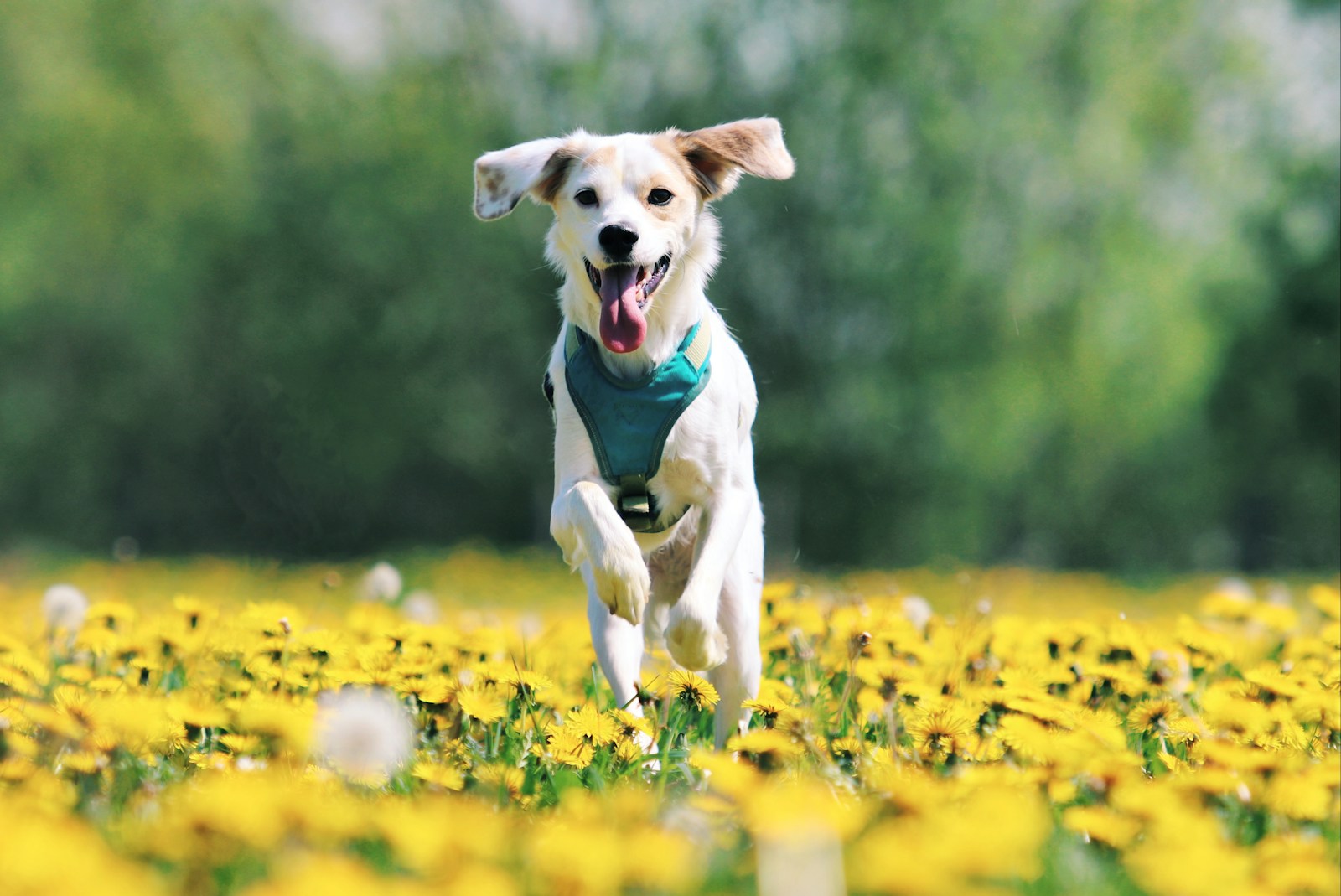
Some of the clearest signs of love are the ones that look the silliest from the outside. The dog that explodes into zoomies the second their person picks up a leash, the one that does a specific spin or wiggle only when greeted by a certain voice, or the pup that rolls over to expose their belly the moment their human walks in, is showing a level of joy that is tightly tied to that relationship. These little rituals are often unique, shaped over time by shared routines and inside jokes that only the dog and their person fully understand.
Behavior guides that catalog affectionate habits point out that dogs will often roll over and show their belly as a sign of trust, especially when it happens in relaxed settings with someone they know well, and that Dogs will roll onto their backs when they feel safe and want contact. Community lists that answer “Does my dog love me?” with concrete examples mention bright displays of joy, like full‑body wiggles and happy dances, as some of the most obvious signs of attachment, the kind of behavior that shows up in Does style checklists and in more narrative pieces that describe how They greet their favorite human with pure, unfiltered happiness. When a dog reserves their wildest, most joyful antics for one particular person, it is hard to read that as anything other than deep love.
More from Cultivated Comfort:
- 7 Retro Home Features That Builders Should Bring Back
- 7 Antique Finds That Are Surprisingly Valuable Today
- 7 Forgotten Vacation Spots Your Parents Probably Loved
- 6 Boomer China Patterns That Are Selling Like Crazy Online

As a mom of three busy boys, I know how chaotic life can get — but I’ve learned that it’s possible to create a beautiful, cozy home even with kids running around. That’s why I started Cultivated Comfort — to share practical tips, simple systems, and a little encouragement for parents like me who want to make their home feel warm, inviting, and effortlessly stylish. Whether it’s managing toy chaos, streamlining everyday routines, or finding little moments of calm, I’m here to help you simplify your space and create a sense of comfort.
But home is just part of the story. I’m also passionate about seeing the world and creating beautiful meals to share with the people I love. Through Cultivated Comfort, I share my journey of balancing motherhood with building a home that feels rich and peaceful — and finding joy in exploring new places and flavors along the way.