A 21-year-old retail worker went to doctors again and again with agonising bladder pain, only to be told it was a simple infection or anxiety. Now she is staring down the possibility of having her bladder removed altogether after specialists finally uncovered a rare condition that had been missed for years. Her story is a brutal reminder of how easily young women’s pain can be brushed aside until the damage is almost impossible to undo.
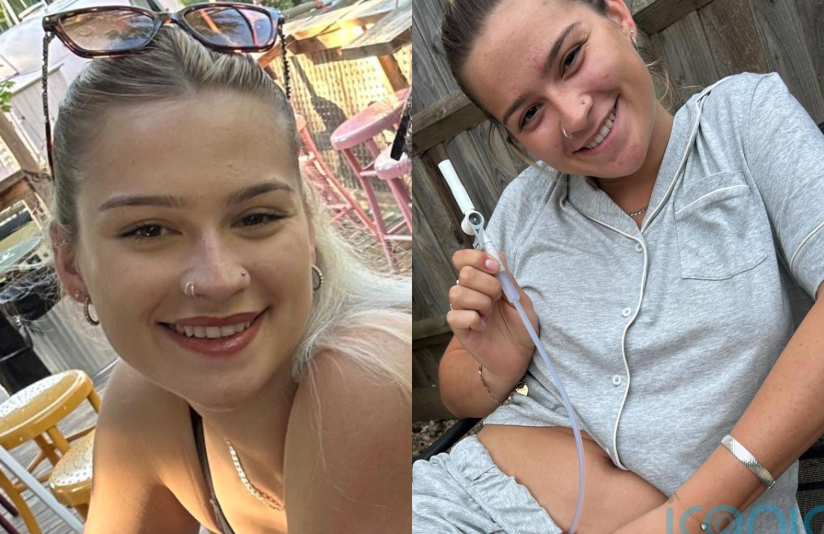
Instead of planning nights out and holidays, she is juggling catheters, infections and conversations about major surgery that would change her body forever. The condition behind it all, Fowler’s syndrome, is so little known that even experienced clinicians can mistake it for something as routine as a urinary tract infection, and that gap in knowledge has left this 21-year-old, Caris Gibson, fighting to hang on to an organ most people never think twice about.
From “probably a UTI” to a medical emergency
When the symptoms first hit, Caris did what most people her age would do and assumed she had a urinary tract infection. The burning, the pressure, the constant urge to go all pointed in that direction, and early appointments reportedly framed her problems as a straightforward UTI that would clear with antibiotics. Instead, the pain escalated, her bladder stopped emptying properly and she began to experience severe urinary retention that left her doubled over and terrified something was very wrong.
As the months dragged on, Caris cycled through appointments where she was reassured, misdiagnosed and sent home, even as her symptoms became more extreme and infections kept coming back. By the time specialists finally took a closer look, she had already endured episodes of retention so severe they were described as a life threatening medical emergency, a pattern later detailed in coverage of how Caris was finally taken seriously. What started as “probably just an infection” had spiralled into a crisis that now has surgeons weighing up whether her bladder can be saved at all.
A rare diagnosis with life changing stakes
The turning point came when Caris was eventually diagnosed with Fowler’s syndrome, a rare condition that affects the urethra and stops the sphincter muscle from relaxing properly. In simple terms, her bladder fills but cannot empty, which traps urine, triggers infections and sends pain shooting through her pelvis and lower back. Reports on her case explain that this diagnosis of Fowler finally made sense of years of unexplained retention and the way standard UTI treatments had repeatedly failed.
By the time doctors named the problem, the damage to her quality of life was already huge. Caris now relies on catheters to drain her bladder and lives with the constant threat of kidney complications if things block or go wrong. In one interview she described how, on bad days, “My kidneys will hurt, and my catheter might stop draining,” adding that some days she still has to go to work with a urine collection bag hidden under her clothes, a detail captured in a profile of Jan and her routine. For a 21-year-old who once imagined a carefree early adulthood, the contrast could not be starker.
Living young with catheters, pain and constant planning
Day to day, Caris’s life now revolves around managing tubes, bags and the ever present risk that something will suddenly stop working. She has spoken about the embarrassment of having to plan outfits around a catheter and the mental load of always knowing where the nearest bathroom is, in case a bag needs emptying or a line needs checking. One account notes that “some days I have to go to work with a [urine collection] bag,” a quiet but devastating line that captures how Woman is trying to hold on to a sense of normality while her body refuses to cooperate.
The physical pain is only part of it. Caris has described how “Things Are Getting Worse and Worse,” a phrase that has become shorthand for the way her symptoms, anxiety and exhaustion feed into each other as time goes on. Nights out with friends now come with a checklist of supplies and a mental calculation about whether the fun is worth the flare up that might follow. The social media version of being 21 rarely includes drainage bags and emergency hospital trips, yet that is the reality she is navigating while doctors talk about major surgery and long term disability, a reality that has been laid out in detail in coverage of how she thought she had a simple infection.
When misdiagnosis meets an overstretched system
Caris’s story is not just about one rare condition, it is also about what happens when a stretched health system meets symptoms that do not fit neatly into a quick diagnosis. Early on, her pain and retention were reportedly dismissed as a routine urinary tract problem, a pattern echoed in reporting that describes how a 21-year-old’s rare urinary retention was initially written off as a urinary tract infection. Each missed opportunity meant more time for her bladder to be damaged and more nights spent in agony, wondering why nobody seemed to be joining the dots.
The backdrop to that misdiagnosis is a National Health Service under intense pressure, where short appointments and long waits can make it harder to spot rare conditions like Fowler’s syndrome. Coverage of Caris’s case has appeared alongside appeals that stress “At such a critical moment in US history, we need reporters on the ground. Your donation allows us to keep sending journalists to s…” and “Your support makes all the difference,” language that frames her experience within a wider conversation about resources and attention. Those phrases, quoted in fundraising appeals that urge readers to back Your local journalism and healthcare campaigns, underline how individual patients can fall through the cracks when systems are running hot and rare diseases sit low on the priority list.
Fighting for treatment, awareness and a future
Now, with her bladder function so compromised that removal is on the table, Caris and her family are trying to secure the best possible treatment while also raising awareness of Fowler’s syndrome. Her mother, Jill, has taken on her own challenge, running 5 km every day to raise money and attention for her daughter’s care, a detail highlighted in reports that describe how Caris and Jill are turning their fear into action. The family has also been linked to fundraising pages that invite people to donate toward specialist procedures and equipment that might give Caris a better shot at keeping her bladder or, if that is no longer possible, at least living more comfortably with whatever comes next.
Alongside the fundraising, Caris has become an unwilling but powerful advocate for other young women whose pain is brushed off as stress, infection or “just one of those things.” Her case has been shared across multiple platforms, from lifestyle features to health explainers, each one spelling out that a 21-year-old can be facing the loss of her bladder because a rare urinary condition was missed for too long. In some of those pieces, writers refer to her simply as Might Lose Her, a stark shorthand that captures both the human cost and the systemic failure. For Caris, the hope now is that speaking out will not only help fund her own care but also push clinicians to think twice before waving away the next young patient who says something feels very, very wrong.
More from Cultivated Comfort:
- 7 Retro Home Features That Builders Should Bring Back
- 7 Antique Finds That Are Surprisingly Valuable Today
- 7 Forgotten Vacation Spots Your Parents Probably Loved
- 6 Boomer China Patterns That Are Selling Like Crazy Online

As a mom of three busy boys, I know how chaotic life can get — but I’ve learned that it’s possible to create a beautiful, cozy home even with kids running around. That’s why I started Cultivated Comfort — to share practical tips, simple systems, and a little encouragement for parents like me who want to make their home feel warm, inviting, and effortlessly stylish. Whether it’s managing toy chaos, streamlining everyday routines, or finding little moments of calm, I’m here to help you simplify your space and create a sense of comfort.
But home is just part of the story. I’m also passionate about seeing the world and creating beautiful meals to share with the people I love. Through Cultivated Comfort, I share my journey of balancing motherhood with building a home that feels rich and peaceful — and finding joy in exploring new places and flavors along the way.