A Florida couple who turned to in vitro fertilization hoping to start a family is now at the center of a nightmare they never imagined. After welcoming a baby girl, later identified in court papers as Baby Doe, genetic testing showed she is not biologically related to either parent. The pair has filed a lawsuit and is now juggling two impossible tasks at once: protecting the child they are raising and trying to find her genetic parents, while also searching for the baby who carries their own DNA.
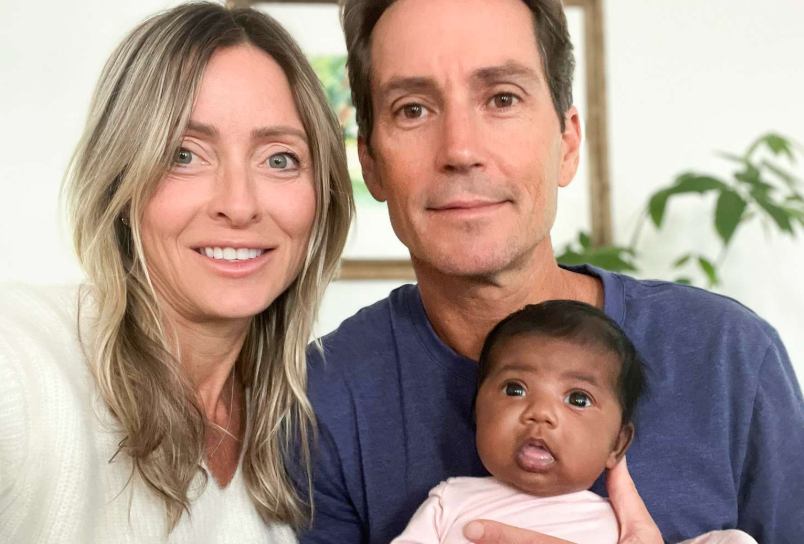
The case, which involves an alleged embryo mix-up at a Central Florida fertility clinic, cuts straight to the fragile trust that underpins modern reproductive medicine. It is not just a story about lab protocols gone wrong, but about identity, race, and what it means to be a parent when science suddenly redraws the family tree.
How a routine IVF journey turned into a genetic shock
The couple, identified in filings as Plaintiffs, went through IVF in Florida after struggling to conceive on their own. They placed their faith in IVF Life, Inc. D/B/A Fertility Center of Orlando and its physician, Dr. Milton McNichol, expecting that the embryos created from their own eggs and sperm would be carefully tracked and transferred. According to the complaint, the pregnancy and birth initially looked like a hard-won success story, the kind of outcome that keeps hopeful parents signing consent forms and wiring payments to fertility clinics across the country.
That sense of relief did not last. After Baby Doe was born, the parents began to notice physical traits that did not match either of them, including racial features that raised questions, since the lawsuit describes both parents and the embryos they expected to use as Caucasian. Court documents say later DNA testing confirmed that Baby Doe has “no genetic relationship to either of the Plaintiffs,” a finding that points directly to an embryo mix-up inside the clinic.
The lawsuit: claims of negligence and a search for answers
Once the genetic results came back, the couple moved quickly into legal mode, filing suit against IVF Life, Inc. D/B/A Fertility Center of Orlando and Dr. Milton McNichol. The complaint accuses the clinic of negligence in handling embryos and failing to maintain the kind of airtight identification systems that IVF patients assume are non‑negotiable. In their telling, the clinic’s mistakes did not just cause a paperwork error, they rewrote the biology of their family and left at least two sets of parents unknowingly raising each other’s children.
Reporting on the case notes that the genetic findings are central to the couple’s claims, with the lawsuit stressing that Baby Doe’s lack of any biological tie to the Plaintiffs is not in dispute. Coverage of the filing by LeeAnn Huntoon describes how the IVF mix‑up is framed as a direct result of the clinic’s handling of embryos, while another account of the same case underscores that the Plaintiffs’ legal theory rests on the stark fact that their child is genetically unrelated to them, despite being conceived and carried through an IVF cycle at that facility.
Living with a child they love, but who is not biologically theirs
Inside the home, the legal language about Plaintiffs and defendants gives way to something much more intimate. The couple has been clear that Baby Doe is their daughter in every practical sense, and they have no intention of handing her over to anyone. In a statement shared from ORLANDO, Fla, they described the baby as deeply loved and said they are terrified she could “be taken away from us,” a fear that hangs over every new development in the case. That emotional reality sits alongside the cold genetic facts, and the parents are now trying to hold both truths at once.
At the same time, they are painfully aware that somewhere, another family may be raising the child who is genetically theirs. The parents have said they feel a moral obligation to find Baby Doe’s biological parents and to locate their own biological child, if that child exists, so that both kids can grow up with a clear sense of identity. Local coverage notes that the Florida couple is actively searching for the girl’s genetic parents, while a related report explains that the same IVF error has pushed them to call for immediate genetic testing of other families who used the clinic.
Race, identity, and the “non‑Caucasian child” language
One detail that has drawn particular attention is the way race appears in the legal filings. The lawsuit describes Baby Doe as a “non‑Caucasian child,” a phrase that has been repeated in coverage and that lands heavily in a country where fertility treatment, race, and privilege already intersect in complicated ways. The parents, identified as Caucasian, say they expected their embryos to produce a child who shared their racial background, and the visible difference is part of what first tipped them off that something might be wrong.
Accounts of the case by Verity Bowman note that Genetic testing later confirmed that the child is not genetically related to either parent, which is why race is being discussed in such blunt terms in the complaint. A separate version of Bowman’s reporting highlights her own byline, Verity Bowman, as she explains that the parents’ description of a “non‑Caucasian child” is part of their attempt to show how obvious the mismatch was from the start, even before the lab results came back.
What the case says about IVF safeguards and global concerns
For people who follow reproductive medicine, this Florida case is not just a local scandal, it is a stress test for the entire IVF system. Clinics like the Central Florida IVF facility involved here are supposed to have multiple layers of checks, from barcoded labels to double‑witness protocols, precisely so that embryos are never swapped. Yet the lawsuit and local reporting from ORLANDO, Fla describe a Central Florida IVF clinic where those safeguards appear to have failed in the most fundamental way. Another local report from ORLANDO, Fla underscores how the parents’ statement has fueled calls for tighter oversight and more transparency about error rates in fertility labs.
Zooming out, the story lands at a moment when IVF technology is racing ahead, from advanced genetic screening to the World’s first AI‑powered IVF lab. In one widely shared segment, Adora Fertility Scientific Director Emma Ebinger appears in a clip marked “02:57” discussing how artificial intelligence might help reduce human error in embryo selection and handling. Coverage of the Florida case has been paired with that clip to highlight how a US couple’s allegations of an embryo mix‑up, described in detail in a horror IVF mix‑up, are colliding with promises of near‑perfect lab precision. A second version of that same report, which again references “02:57” and credits Adora Fertility Scientific, underscores that even as labs get smarter, the stakes of a single mistake remain life‑altering.
More from Cultivated Comfort:
- 7 Retro Home Features That Builders Should Bring Back
- 7 Antique Finds That Are Surprisingly Valuable Today
- 7 Forgotten Vacation Spots Your Parents Probably Loved
- 6 Boomer China Patterns That Are Selling Like Crazy Online

As a mom of three busy boys, I know how chaotic life can get — but I’ve learned that it’s possible to create a beautiful, cozy home even with kids running around. That’s why I started Cultivated Comfort — to share practical tips, simple systems, and a little encouragement for parents like me who want to make their home feel warm, inviting, and effortlessly stylish. Whether it’s managing toy chaos, streamlining everyday routines, or finding little moments of calm, I’m here to help you simplify your space and create a sense of comfort.
But home is just part of the story. I’m also passionate about seeing the world and creating beautiful meals to share with the people I love. Through Cultivated Comfort, I share my journey of balancing motherhood with building a home that feels rich and peaceful — and finding joy in exploring new places and flavors along the way.