When Kansas crews started hauling invasive carp out of the Kansas River by the truckload, the numbers sounded almost unreal: more than 100,000 Pounds of unwanted fish pulled from a single stretch of water. The obvious follow up was simple and a little unsettling: what on earth do you do with 109,000 pounds of dead fish. State officials say the answer is less gross than it sounds and a lot smarter than just dumping them in a landfill.
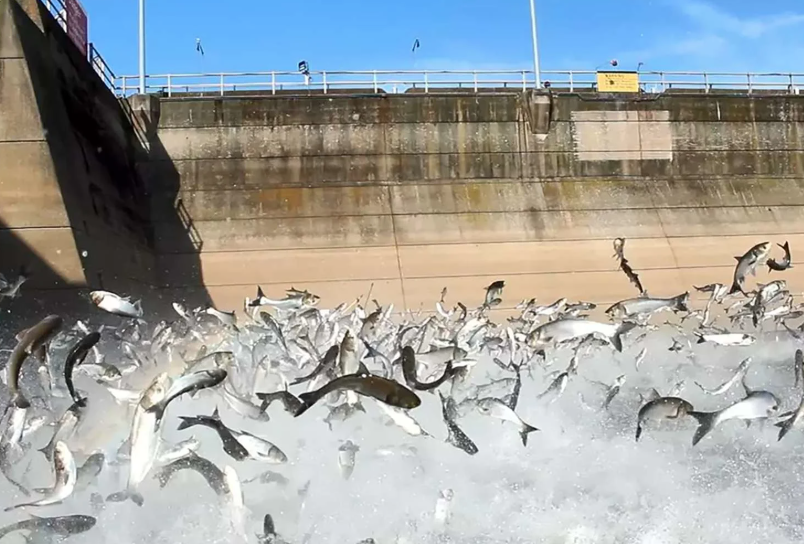
Instead of treating the haul as waste, Kansas agencies have turned the carp into raw material for nutrient recycling, soil health, and even research. The result is a kind of full circle moment for a species that has been hammering native wildlife, with the remains now feeding farm fields and data sets instead of choking the river.
The massive carp problem hiding in plain sight
The Kansas River looks calm enough from the bank, but below the surface, invasive Asian carp have been crowding out native fish and throwing the food web off balance. These fast growing filter feeders vacuum up plankton that local species depend on, and their sheer biomass can turn big river sections into carp dominated zones. Biologists say that since targeted removals began in 2022, crews have pulled about 109,000 pounds of these invaders from the Kansas River, a number that hints at how entrenched the problem had become.
Those fish are not just a nuisance, they are a direct threat to the river’s long term health. Wildlife workers describe how dense schools of carp can push native species into smaller and smaller refuges, while their constant feeding strips out the microscopic life that fuels everything from mussels to sport fish. One report noted that more than 36,000 pounds of the invasive carp were removed in a single year as part of a broader push to Help Restore Native, a reminder that every net full of silver and bighead carp is also a small win for the river’s original residents.
How Kansas crews pulled off a 109,000 pound removal
Getting to that 109,000 figure has taken a mix of old school grit and newer science based tactics. Biologists and technicians have been working sections of the Kansas River with specialized nets, boats, and targeted efforts that focus on spots where carp tend to stack up. According to state summaries, Kansas biologists have removed about 100,000 pounds of invasive fish species from the river since the campaign ramped up, with 2025 described as the most successful year so far for the removal effort.
Officials say the work is not just about brute force, it is about timing and strategy. Crews target seasons and flows when carp are easier to corral, and they lean on monitoring data to decide where to concentrate limited staff and fuel. One detailed breakdown noted that Over 100,000 Pounds of Invasive Fish Pulled from One River came after removal efforts began in 2022, with more than 109,000 pounds of Asian carp taken out so far. That kind of scale is why the state had to think hard about what to do with the fish once they were on shore.
From river menace to nutrient recycling
The short answer to the “what happened to them” question is that Kansas did not just throw the carp away. In a statement shared with Jan and PEOPLE, a spokesperson for the Kansas Department of Wildlife and Parks explained that the invasive Asian carp removed from the Kansas River are being used for nutrient recycling instead of simple disposal. The agency described how the fish are processed and turned into material that can be applied to land, keeping the nutrients in a managed loop rather than letting them rot in piles or get buried in a dump, according to Kansas Department of officials.
That approach lines up with a broader “waste not” mindset that has been gaining traction in conservation circles. Instead of treating the carp as nothing but a problem, Kansas is effectively mining them for the nitrogen, phosphorus, and other nutrients they pulled out of the river while they were alive. State summaries under the NEED and KNOW banner say Kansas officials are using the invasive carp removed from the Kansas River for nutrient recycling, and that More than 109,000 pounds have been kept in this kind of closed loop after large scale removals, a strategy detailed in NEED KNOW style briefings.
Why officials say the ecosystem is already feeling it
State biologists are careful not to oversell quick fixes, but they are starting to talk about visible changes on the water. With tens of thousands of pounds of carp gone, native fish have a little more breathing room, and the river’s food web is not being stripped quite as aggressively. One account described wildlife workers removing more than 100,000 pounds of harmful creatures from a U.S. waterway and pointed to “positive effects” on the local ecosystem, a phrase that echoed through coverage by Wildlife focused reporters who highlighted how the carp had been knocking the system out of balance.
Those early signs matter because they help justify the long days and tight budgets that come with this kind of work. Crews are not just chasing a number on a spreadsheet, they are trying to rebuild a river where native species can actually thrive again. Officials have framed the 109,000 pound mark as both a milestone and a starting point, with Jan era updates stressing that the Kansas River will need continued attention if it is going to stay ahead of future carp waves and other invasive threats that might follow the same path upstream.
Closing the loop and planning what comes next
Behind the scenes, Kansas agencies are also trying to make sure the carp story does not end at the compost pile. By tracking how much biomass is removed, where it goes, and what kind of nutrient value it delivers, they are building a template that other river systems could copy. One NEED and KNOW style summary emphasized that Kansas officials see nutrient recycling as a way to keep the system in a loop after large scale removals, rather than creating a new waste stream that someone else has to manage, a point echoed in Kansas focused briefings.
That planning mindset also shows up in how the state talks about future targets. Officials have acknowledged that more removals are coming and that the 109,000 pound figure is likely to climb as crews keep working the Kansas River. At the same time, they are trying to keep the public looped in on what happens after the boats dock, using plain language updates to explain that the fish are being turned into something useful instead of quietly discarded. For residents who care about the river but do not follow every technical report, the bottom line is straightforward: Kansas pulled a staggering amount of invasive carp out of the water, and thanks to some careful planning, those fish are now helping repair the damage they helped cause instead of creating a whole new problem on land.
More from Cultivated Comfort:
- 7 Retro Home Features That Builders Should Bring Back
- 7 Antique Finds That Are Surprisingly Valuable Today
- 7 Forgotten Vacation Spots Your Parents Probably Loved
- 6 Boomer China Patterns That Are Selling Like Crazy Online

As a mom of three busy boys, I know how chaotic life can get — but I’ve learned that it’s possible to create a beautiful, cozy home even with kids running around. That’s why I started Cultivated Comfort — to share practical tips, simple systems, and a little encouragement for parents like me who want to make their home feel warm, inviting, and effortlessly stylish. Whether it’s managing toy chaos, streamlining everyday routines, or finding little moments of calm, I’m here to help you simplify your space and create a sense of comfort.
But home is just part of the story. I’m also passionate about seeing the world and creating beautiful meals to share with the people I love. Through Cultivated Comfort, I share my journey of balancing motherhood with building a home that feels rich and peaceful — and finding joy in exploring new places and flavors along the way.