When it comes to our living spaces, it’s easy to hold onto items that no longer serve us, whether they’re physical possessions or emotional baggage. You might find yourself in a situation where your home is cluttered with things you once loved, or perhaps your relationships are strained due to unresolved issues. It’s common to feel overwhelmed and frustrated when faced with such dilemmas, especially if you’ve been carrying the weight of these items for too long.
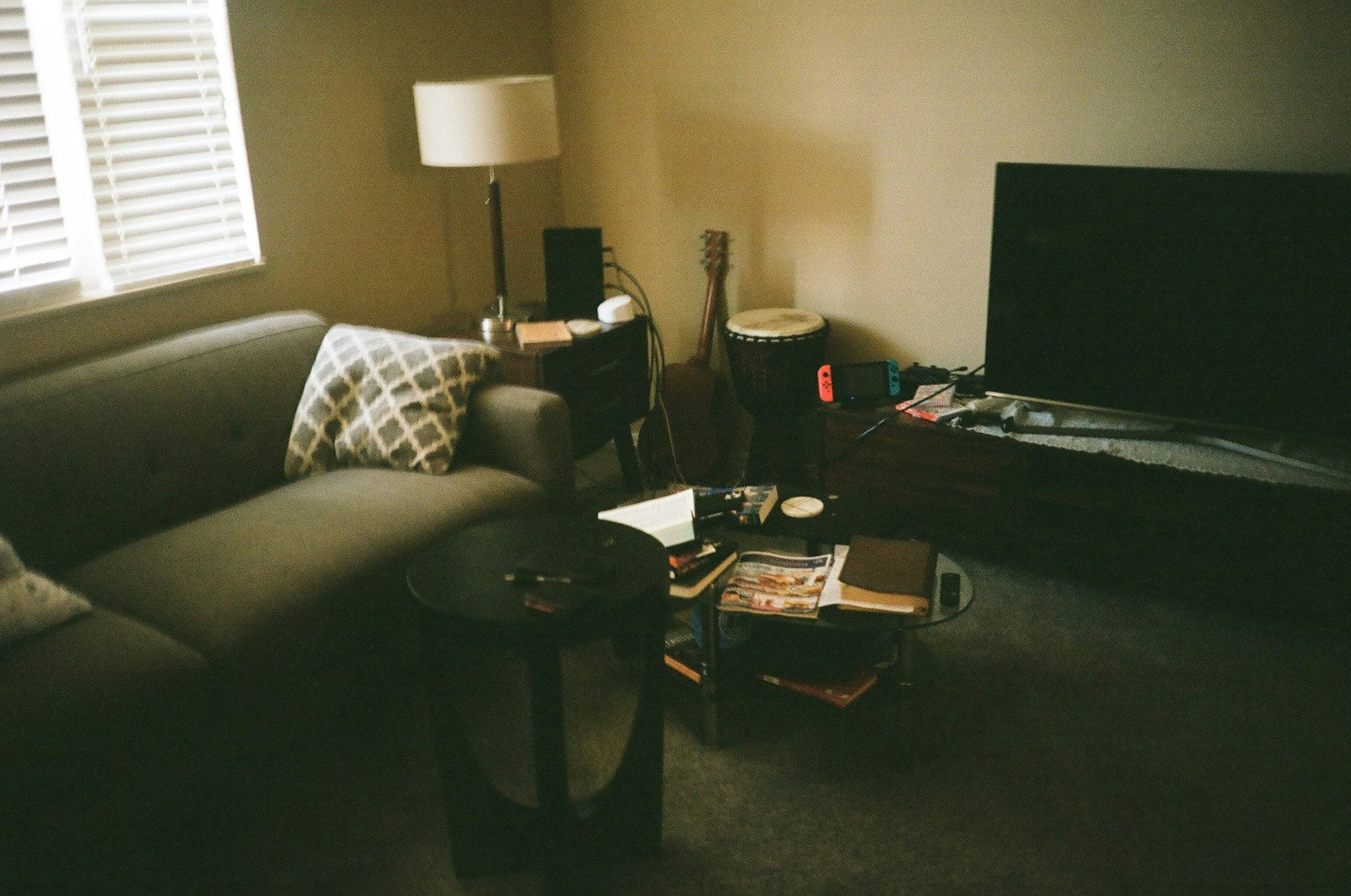
You’re not wrong to feel frustrated. It’s natural to want to keep things that hold sentimental value or represent a part of your life, but sometimes, those attachments can lead to chaos and dissatisfaction. Recognizing the importance of boundaries, respect, and effective communication in these situations is crucial. Let’s explore five actionable steps you can take to lighten your load and reclaim your space—both physically and emotionally.
Start With a Calm, Direct Conversation
Begin by addressing the issue directly with yourself or those involved. A calm conversation allows you to express your feelings about the clutter, whether it’s physical belongings or unresolved emotions.
This approach works because open communication fosters understanding. When you articulate your frustrations and desires, others can better appreciate your perspective. Remember, it’s okay to voice your needs; you deserve a space that feels right for you.
Set Clear Boundaries and Expectations
Once you’ve opened the dialogue, establish clear boundaries regarding what you’re willing to keep and what needs to go. For instance, if there are items from a past relationship that you’ve been holding onto, decide what truly holds value for you.
Setting boundaries works because it provides clarity and protects your emotional space. It empowers you to take control of your environment and decisions. By establishing these guidelines, you’re signaling to yourself—and others—that your comfort and well-being are a priority.
Involve Your Partner Without Blaming Them
If your dilemma involves a partner or family member, invite them into the conversation without placing blame. This collaborative approach can help you both navigate through the clutter together, ensuring that everyone feels heard and respected.
This method works because it cultivates teamwork and mutual respect. By framing the discussion as a shared goal, you can avoid defensiveness and focus on finding solutions. Remember, you’re in this together, and working alongside each other will strengthen your relationship.
Offer Reasonable Alternatives
When discussing items that you want to let go of, suggest reasonable alternatives. For instance, if you have clothes you no longer wear, consider donating them to a local charity or offering them to friends.
This strategy is effective because it transforms the act of letting go into a positive experience. Offering alternatives resonates with the idea of giving a second life to your possessions, making it feel less like a loss and more like a gift. You’re making space for new opportunities, which is a powerful and uplifting choice.
Protect Your Home and Privacy Without Escalating Conflict
If the clutter is encroaching on your personal space and privacy, it’s essential to protect your home without escalating conflict. This could mean setting specific areas in your home that are solely yours or implementing a “one in, one out” rule for new items.
This approach works because it respects your needs while still being considerate of others. You have every right to maintain a peaceful and organized environment. Remember, it’s about creating a sanctuary for yourself, and it’s perfectly acceptable to assert your boundaries to ensure your comfort.
Reflect on Emotional Attachments
Sometimes, the items we hold onto are more about emotional attachments than physical space. Take a moment to reflect on why you feel compelled to keep certain objects. Are they tied to a memory, or do they represent a part of your identity?
This reflection is valuable because it helps you distinguish between what you cherish and what you feel obligated to keep. Understanding your emotions allows you to make more intentional choices about what to retain. Trust yourself—by recognizing your feelings, you can empower yourself to let go of what no longer serves you.
Closing
Remember, the situation can improve. Taking these steps may feel daunting at first, but the end result will be a more organized, peaceful space that reflects who you are today. As you embark on this journey, remind yourself that every item you let go of creates room for new memories and experiences.
One final empowering thought: You have the strength to reshape your environment and your life. Embrace the process of decluttering, and celebrate each step you take toward a brighter, more fulfilling space. You deserve it!
More from Cultivated Comfort:
- 7 Vintage Home Items From the ’60s That Are Collectors’ Dream Finds
- 7 Vintage Home Goods That Became Collectors’ Gold
- 7 Fast-Food Chains That Changed for the Worse
- 7 Frozen Dinners That Were Better Back in the Day

As a mom of three busy boys, I know how chaotic life can get — but I’ve learned that it’s possible to create a beautiful, cozy home even with kids running around. That’s why I started Cultivated Comfort — to share practical tips, simple systems, and a little encouragement for parents like me who want to make their home feel warm, inviting, and effortlessly stylish. Whether it’s managing toy chaos, streamlining everyday routines, or finding little moments of calm, I’m here to help you simplify your space and create a sense of comfort.
But home is just part of the story. I’m also passionate about seeing the world and creating beautiful meals to share with the people I love. Through Cultivated Comfort, I share my journey of balancing motherhood with building a home that feels rich and peaceful — and finding joy in exploring new places and flavors along the way.