The loss of a parent is a heart-wrenching experience, and alongside the grief, you may find yourself facing unexpected challenges. One of the most distressing issues that can arise during this time is the disappearance of family heirlooms. You may have noticed that cherished items—pieces that held memories and significance—are suddenly missing after your parent’s passing. It’s not just about the objects themselves; it feels like a disregard for your family’s history and the bond you shared.
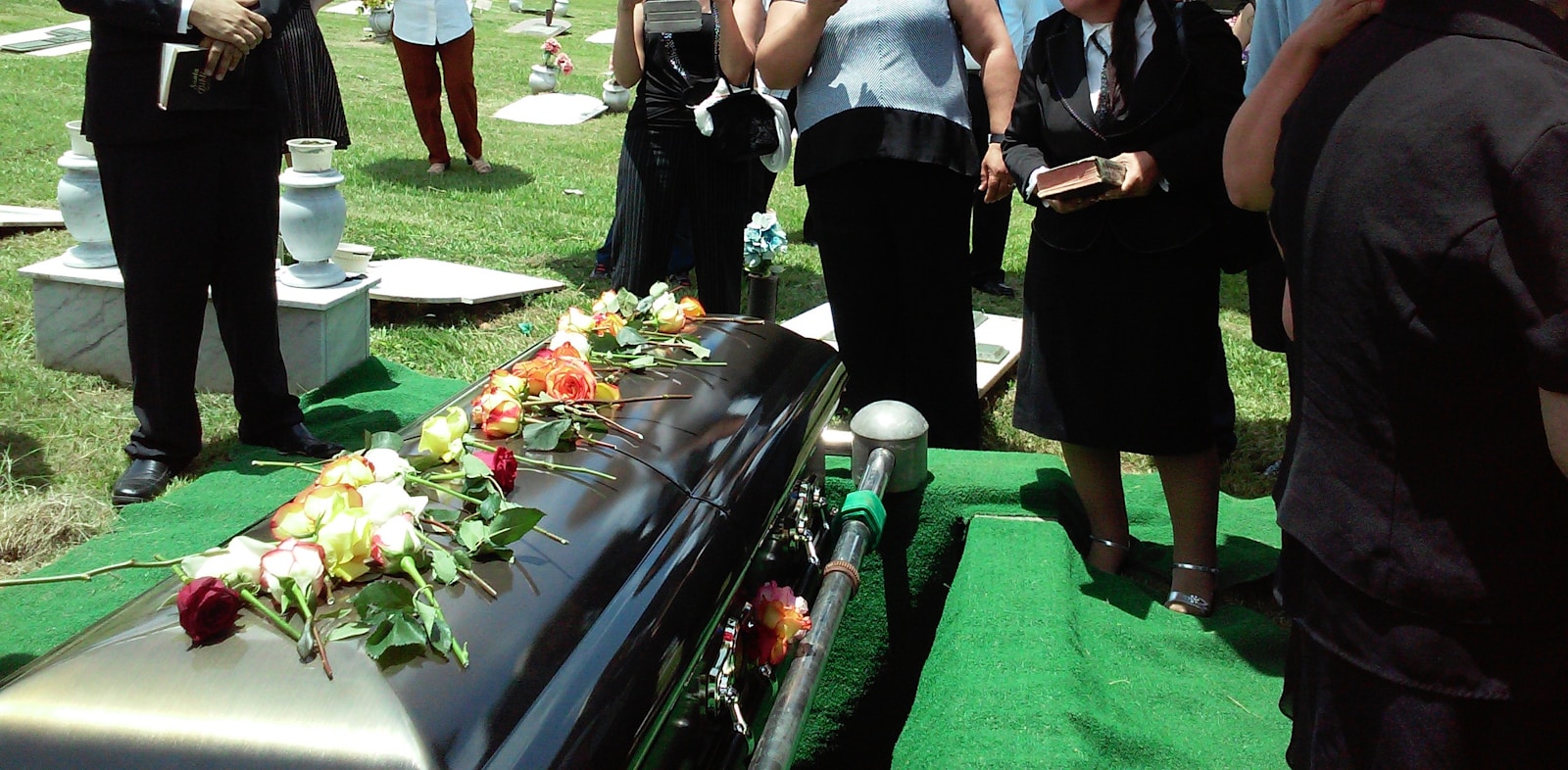
You’re not wrong to feel frustrated or hurt by this situation. Your emotions are valid, and it’s natural to want to protect the legacy of your loved ones. This issue matters deeply because it touches on boundaries, respect, and communication within your family. Navigating these waters can be challenging, but with a clear plan, you can reclaim control over your family’s narrative and ensure that your feelings are heard.
Start With a Calm, Direct Conversation
Begin by initiating a conversation with your family members about the heirlooms. Approach this conversation calmly and with an open mind. Express your concerns without assigning blame; for example, you might say, “I’ve noticed some family items are missing, and I’d like to discuss it.”
This method works because it sets a tone of collaboration rather than confrontation. You’re inviting dialogue, which allows everyone to share their perspectives without feeling attacked. Remember, open communication can often dissolve misunderstandings.
Set Clear Boundaries and Expectations
Once you’ve opened up the conversation, it’s essential to establish clear boundaries regarding family heirlooms. Specify which items hold personal significance for you and why, and express your desire for these pieces to remain in your care.
Setting boundaries is crucial because it clarifies what is acceptable and what is not. When everyone understands the expectations surrounding the heirlooms, it minimizes the risk of future misunderstandings. Trust that you have the right to safeguard your family history.
Involve Your Partner Without Blaming Them
If your partner is involved in the situation, make sure to include them in the discussions without placing blame. It’s essential to approach this as a united front. Share your feelings about the disappearing heirlooms and ask for their support in addressing the matter with your family.
This inclusion works because it reinforces your partnership and shows that you’re tackling the issue together. You’re not alone in this, and having your partner by your side can provide emotional support and a sense of solidarity.
Offer Reasonable Alternatives
When discussing the heirlooms with your family, be prepared to offer reasonable alternatives. If certain items are no longer in your possession, suggest ways to honor those memories—perhaps through shared family gatherings where everyone can bring a piece that represents your parent’s legacy.
Offering alternatives shows that you’re flexible and willing to find a solution that respects everyone’s feelings. This approach can ease tensions and pave the way for a more positive interaction. You’re demonstrating that you value family connections, even amidst conflict.
Protect Your Home and Privacy Without Escalating Conflict
If you find that heirlooms continue to go missing despite your efforts, it may be necessary to take steps to protect your home and privacy. Consider implementing measures such as securing valuable items in a safe or discussing house rules about personal belongings with your household members.
This protective action works because it emphasizes your need for security without escalating conflict. You’re asserting your right to safeguard your space while remaining open to dialogue. Trust that taking these steps can help maintain peace and respect within your family.
Keep the Focus on Healing and Connection
Throughout this process, maintain a focus on healing and connection with your family. Remind yourself and others that the goal is to honor your parent’s memory and legacy together. Share stories and memories that emphasize the significance of the heirlooms, fostering a collective appreciation for your family history.
This focus works because it shifts the narrative from conflict to celebration. You’re encouraging a deeper understanding of what these items represent, which can foster unity and respect among family members. You have the power to reshape this narrative, turning pain into connection.
Closing
Navigating the emotional landscape after a parent’s death is never easy, especially when it comes to family heirlooms. However, by taking proactive steps, you can improve the situation significantly. Remember, it’s possible to reclaim your family’s narrative and protect what matters most to you.
As you move forward, keep in mind that open communication, respect, and a focus on healing can transform this challenging time into an opportunity for connection. You have the strength to address these issues, and in doing so, you’re honoring not just your parent’s memory, but the bonds that tie your family together.
More from Cultivated Comfort:
- 7 Vintage Home Items From the ’60s That Are Collectors’ Dream Finds
- 7 Vintage Home Goods That Became Collectors’ Gold
- 7 Fast-Food Chains That Changed for the Worse
- 7 Frozen Dinners That Were Better Back in the Day

As a mom of three busy boys, I know how chaotic life can get — but I’ve learned that it’s possible to create a beautiful, cozy home even with kids running around. That’s why I started Cultivated Comfort — to share practical tips, simple systems, and a little encouragement for parents like me who want to make their home feel warm, inviting, and effortlessly stylish. Whether it’s managing toy chaos, streamlining everyday routines, or finding little moments of calm, I’m here to help you simplify your space and create a sense of comfort.
But home is just part of the story. I’m also passionate about seeing the world and creating beautiful meals to share with the people I love. Through Cultivated Comfort, I share my journey of balancing motherhood with building a home that feels rich and peaceful — and finding joy in exploring new places and flavors along the way.